
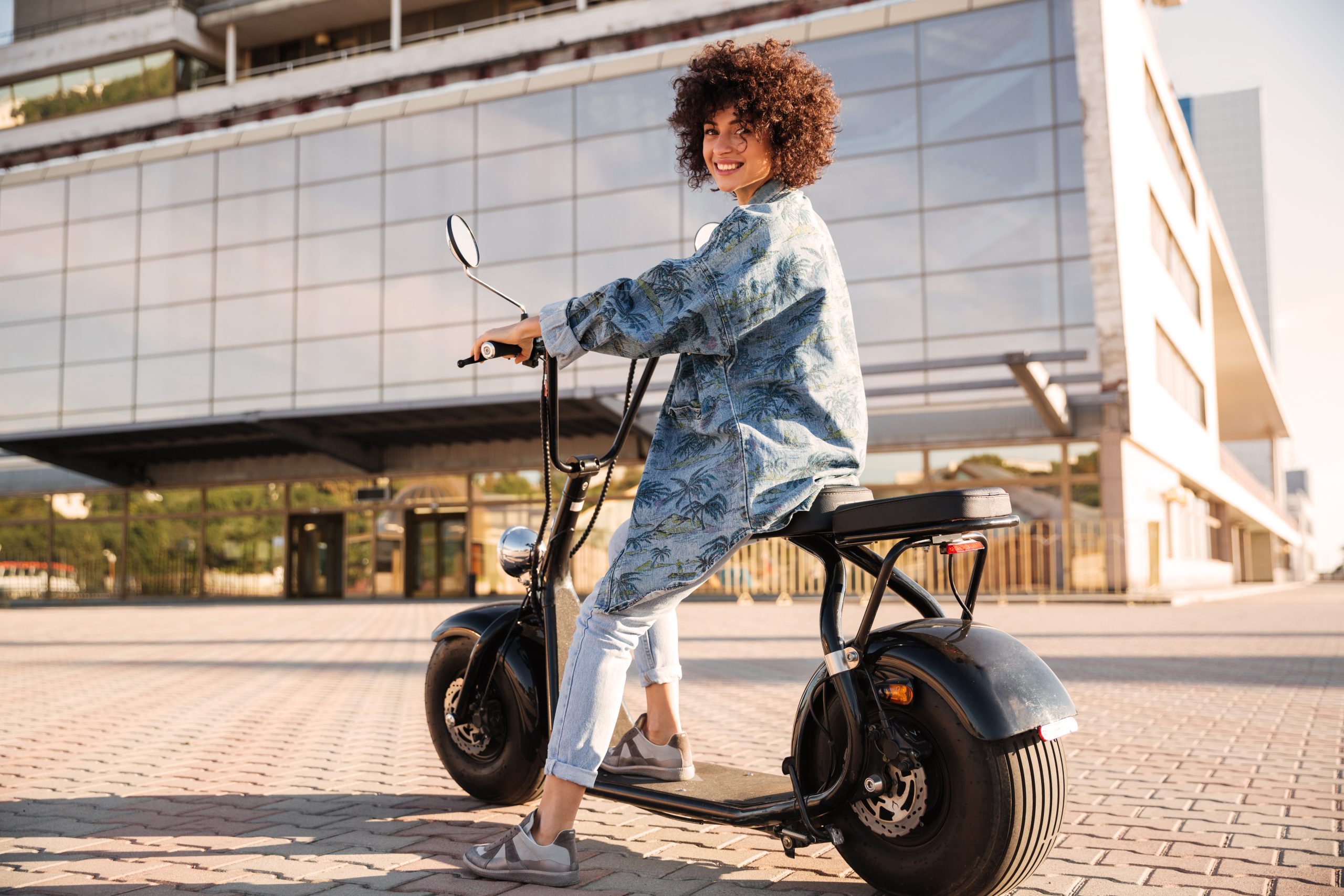
Germany’s electric two-wheeler battery market is gradually evolving, supported by growing interest in sustainable urban mobility, rising environmental awareness, and advancements in battery technology. Increasing adoption of electric motorcycles, scooters, and mopeds is creating opportunities for lithium-ion battery manufacturers and technology providers. According to Germany’s vehicle registration data, the country’s battery-electric motorcycle fleet reached approximately 61,421 units in 2025, representing a 3.6% increase over 2024. Although electric two-wheelers remain a relatively small segment, technological improvements and expanding urban mobility requirements offer considerable long-term growth potential through 2035.
Key Market Drivers Affecting Germany Electric Two Wheeler Battery Industry
Growing Demand for Sustainable Urban Mobility
Increasing environmental awareness and the need to reduce urban emissions are encouraging German consumers to explore electric two-wheelers. Electric scooters and motorcycles offer lower operating costs, reduced noise pollution, and zero tailpipe emissions compared with conventional petrol-powered alternatives. Major cities such as Berlin, Munich, and Hamburg are witnessing growing interest in alternative transportation solutions, particularly for short-distance commuting and last-mile mobility. Germany’s battery-electric motorcycle fleet increased from approximately 59,289 units in 2024 to 61,421 units in 2025, indicating continued market expansion. This gradual electrification is expected to generate additional demand for high-performance battery packs.
Advancements in Lithium-Ion Battery Technology
Technological advancements in lithium-ion batteries are playing an important role in strengthening Germany’s electric two-wheeler battery market. Manufacturers are focusing on improving energy density, charging speed, battery lifespan, and thermal management to enhance vehicle performance. Lithium iron phosphate (LFP) and nickel-based battery chemistries are attracting attention because of their different cost, safety, and energy-density advantages. Improvements in battery management systems and lightweight battery designs are also helping manufacturers increase vehicle range while reducing overall weight. Furthermore, developments in solid-state battery technology could create additional opportunities for premium electric motorcycles and scooters over the longer term.
Expansion of Electric Mobility and Shared Transportation
The growing presence of electric mobility services, urban delivery operations, and shared scooter platforms is creating additional demand for reliable battery solutions. Fleet operators require batteries capable of supporting frequent charging cycles, consistent performance, and reduced vehicle downtime. Battery swapping and removable battery technologies can improve operational efficiency, particularly for commercial applications. Germany’s established automotive engineering ecosystem, research institutions, and battery technology suppliers also provide a supportive environment for innovation. Increasing investments in electric mobility infrastructure and localized battery development are expected to create further opportunities for market participants.
Government Support Towards Germany Electric Two Wheeler Battery Industry
Germany is supporting electric mobility through vehicle taxation measures, charging infrastructure investments, and European battery regulations. The European Union’s Battery Regulation (EU 2023/1542) establishes requirements covering battery sustainability, carbon footprints, recycling, and material traceability. It also introduces a dedicated category for light means of transport (LMT) batteries, including e-bike and e-scooter batteries. These regulations are encouraging manufacturers to invest in sustainable battery production, recycling technologies, and improved supply-chain transparency.
Competitive Landscape Of Germany Electric Two Wheeler Battery Industry
Germany’s electric two-wheeler battery market features established battery manufacturers, automotive technology suppliers, and international battery cell producers. Companies such as Bosch, BMZ, VARTA, Samsung SDI, and LG Energy Solution participate in the broader battery technology and supply ecosystem. Competition is driven by battery efficiency, energy density, safety, durability, charging performance, and pricing. Manufacturers are increasingly emphasizing lightweight battery packs, advanced battery management systems, and strategic partnerships with electric two-wheeler brands to strengthen their market presence.
Market Challenges Faced Within Germany Electric Two Wheeler Battery Industry
High Initial Battery Costs
The relatively high cost of lithium-ion battery packs increases the upfront prices of electric motorcycles and scooters. Price-sensitive consumers may prefer conventional two-wheelers, particularly when electric alternatives offer limited range or higher replacement costs.
Battery Recycling and Raw Material Dependency
Dependence on imported lithium, nickel, cobalt, and other battery materials exposes manufacturers to supply-chain disruptions and price fluctuations. Additionally, battery recycling, collection, and disposal requirements increase operational complexity for manufacturers.
Future Outlook
Germany’s electric two-wheeler battery market is expected to experience gradual growth through 2035, supported by increasing electric mobility adoption, battery technology improvements, and stricter sustainability requirements. Lithium-ion batteries will remain central to market development, while LFP chemistry, lightweight battery packs, and advanced battery management systems are expected to gain importance. The expansion of electric bicycles, scooters, and motorcycles will create diverse battery demand opportunities. Furthermore, investments in domestic battery manufacturing, recycling infrastructure, and next-generation battery technologies could strengthen Germany’s position in Europe’s electric mobility supply chain. Long-term growth will depend on affordability, technological innovation, and supportive regulatory policies.
Consultants at Nexdigm, in their latest publication “Germany Electric Two Wheeler Battery Market Outlook to 2035,” analyze the sector By Battery Chemistry Type (Lithium Iron Phosphate (LFP), Nickel Manganese Cobalt (NMC), Solid State Developments, Sodium-Ion Alternatives), By Vehicle Application (Electric Mopeds, E-Bikes, E-Scooters), and By Battery Architecture (Swappable Battery Systems, Fixed Integrated Packs, Modular Daisy-Chain Units).
Nexdigm suggests that businesses in Germany Electric Two Wheeler Battery Market should invest in advanced lithium-ion battery technologies, strengthen local manufacturing partnerships, and prioritize battery recycling and sustainability. Companies should focus on improving battery efficiency, affordability, and charging performance while developing innovative solutions to capitalize on Germany’s evolving electric two-wheeler market.
To take the next step, simply visit our Request a Consultation page and share your requirements with us.
Harsh Mittal
+91-8422857704
[email protected]