
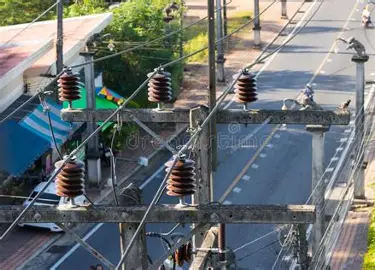
Germany’s Electrical Insulators Market is witnessing robust growth, supported by large-scale grid modernization, renewable energy expansion, and industrial electrification. Electrical insulators play a critical role in transmission and distribution networks, substations, transformers, switchgear, and renewable energy infrastructure by ensuring safe and efficient power transmission. As Europe’s largest electricity market, Germany operates an extensive transmission network and has installed more than 230 GW of renewable energy capacity, including wind, solar, biomass, and hydroelectric power. Growing investments in power grid reinforcement, offshore wind integration, and industrial electrification are driving demand for advanced ceramic, glass, and composite insulators.
Key Market Drivers for Germany’s Electrical Insulators Market
Grid Expansion and Renewable Energy Integration Accelerate Demand
Germany’s energy transition strategy continues to drive investments in high-voltage transmission infrastructure and cross-border electricity interconnections. The country has installed more than 230 GW of renewable energy capacity, including over 100 GW of solar PV capacity and approximately 75 GW of onshore and offshore wind capacity. Rising renewable integration requires extensive transmission upgrades, substations, and grid-stabilization infrastructure, increasing demand for high-performance insulators capable of supporting modern power networks.
Offshore Wind Development Creates Significant Growth Opportunities
Germany remains one of Europe’s leading offshore wind markets, with offshore wind capacity exceeding 9 GW and additional projects under development in the North Sea and Baltic Sea. Offshore transmission systems operate under challenging environmental conditions, creating strong demand for corrosion-resistant composite insulators and advanced high-voltage insulation technologies designed for marine environments.
Industrial Electrification and Manufacturing Strengthen Market Growth
Germany’s manufacturing sector contributes approximately 20% of GDP, making it the largest industrial economy in Europe. Growing electrification of industrial processes, electric vehicle production facilities, hydrogen projects, and advanced manufacturing operations is increasing investments in substations, switchgear, transformers, and electrical transmission equipment. This trend continues to support demand for durable and high-performance insulation solutions.
Government Initiatives Supporting Germany’s Electrical Insulators Market
The German government continues to support transmission network expansion through its Energiewende (Energy Transition) strategy and national climate-neutrality roadmap. Germany aims to achieve climate neutrality by 2045 while significantly increasing renewable electricity generation. Investments estimated at over EUR 550 billion across renewable energy, grid infrastructure, power transmission, and electrification projects are driving demand for electrical equipment and insulation technologies. Government-backed expansion of offshore wind transmission corridors, smart-grid projects, and interregional electricity networks is creating favorable conditions for market growth.
Competitive Landscape of Germany’s Electrical Insulators Market
Germany’s Electrical Insulators Market is highly competitive and supported by strong utility, industrial, and renewable energy demand. Competition is increasingly focused on product reliability, contamination resistance, high-voltage performance, mechanical strength, and lifecycle efficiency. Major players including Siemens Energy, Hitachi Energy, ABB, Schneider Electric, General Electric Grid Solutions, TE Connectivity, and leading European insulator manufacturers continue to support grid expansion and renewable integration projects. Manufacturers are increasingly investing in advanced composite insulators, smart-grid-compatible technologies, and insulation solutions tailored to offshore wind and high-voltage direct current (HVDC) applications.
Major Challenges Facing Germany’s Electrical Insulators Market
Rising Raw Material and Manufacturing Costs
Volatility in raw-material prices, energy costs, and supply-chain disruptions can affect production economics and equipment pricing for insulator manufacturers and electrical infrastructure developers.
Complex Renewable Integration Requirements
The rapid expansion of renewable energy requires continuous upgrades to transmission and distribution infrastructure. Utilities must maintain grid stability while integrating variable renewable power sources and expanding transmission capacity across regions.
Future Outlook
Germany’s Electrical Insulators Market is expected to witness strong growth through 2035, supported by more than 230 GW of renewable energy capacity, offshore wind expansion exceeding 9 GW, and large-scale transmission investments under the country’s energy-transition agenda. Growing deployment of HVDC transmission corridors, offshore wind connections, green hydrogen infrastructure, and industrial electrification projects will continue to drive demand for advanced insulation systems. Additionally, increasing investments in smart grids, substation modernization, and cross-border electricity interconnections are expected to create substantial opportunities for composite, polymer, and high-voltage insulator manufacturers across Germany’s evolving power infrastructure ecosystem.
Consultants at Nexdigm, in their latest publication “Germany Electrical Insulators Market Outlook to 2035” analyse the sector By Insulator Technology (Disc Suspension Insulators, Load Rod Insulators and Pin Type Insulators), By End User Category (Renewable Energy Parks and Public Utility Power Grids) and By Mounting Type (Suspension Mountings, Pin-Type Mountings and Tension/Dead-End Mountings).
Nexdigm suggests that businesses in Germany’s Electrical Insulators Industry prioritize advanced composite insulators, HVDC-compatible insulation technologies, offshore-wind-focused products, and smart-grid-ready solutions to capitalize on the country’s 230 GW+ renewable energy capacity, EUR 550 billion+ energy transition investments, expanding offshore wind sector, and growing demand for reliable high-voltage power infrastructure across utility, industrial, and renewable energy applications.
To take the next step, simply visit our Request a Consultation page and share your requirements with us.
Harsh Mittal
+91-8422857704