
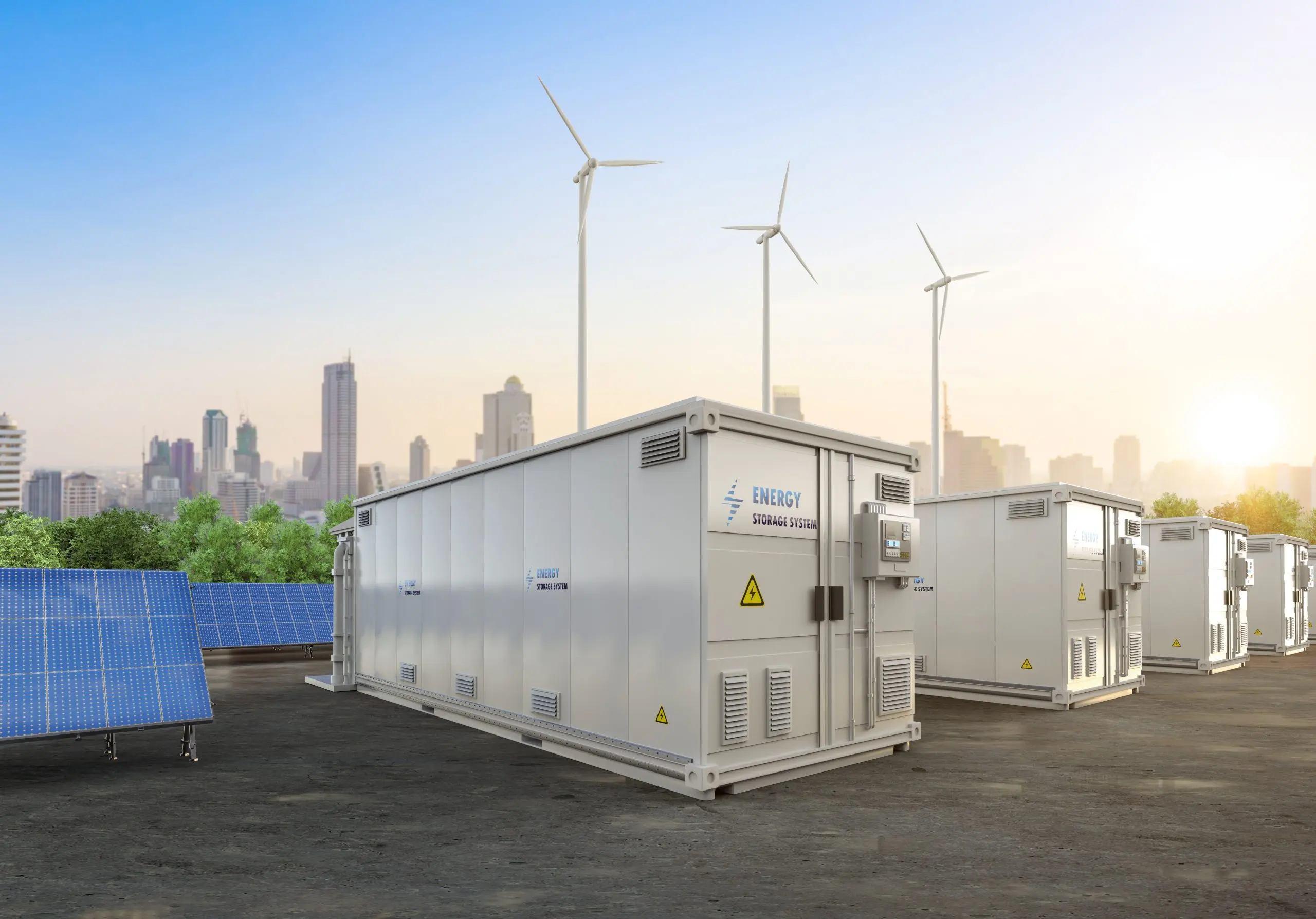
Germany’s energy storage market is rapidly expanding as the country moves toward its ambitious renewable energy goals. With a target to generate 50% of its electricity from renewable sources, energy storage is becoming essential in managing the fluctuations of wind and solar power. In the upcoming years, the country aims to significantly increase its energy storage capacity to balance growing renewable energy adoption and ensure grid stability. As technology advances and costs continue to fall, energy storage systems are set to become the backbone of Germany’s clean energy future, helping integrate renewable energy across industries and households.
Key Drivers Behind Germany’s Energy Storage Market Growth
Government Support and Green Energy Goals
Germany’s ambitious energy transition, known as Energiewende, is driving the rapid growth of the energy storage market. With the goal of reducing greenhouse gas emissions by 55% and achieving carbon neutrality in the coming years, the government has committed significant resources to clean energy initiatives. Energy storage is a critical part of this strategy, providing the flexibility needed to manage variable renewable energy sources like wind and solar. Policies such as subsidies for storage technologies, tax incentives for residential and commercial systems, and funding for infrastructure development are ensuring the steady growth of the market. Germany’s national hydrogen strategy and other energy initiatives are designed to create a robust and reliable energy storage ecosystem, supporting the transition to a carbon-neutral economy.
Technological Advancements and Cost Reductions
The rapid advancement of battery technology, especially in lithium-ion and next-generation solid-state batteries, is playing a pivotal role in lowering the costs of energy storage systems. The price of lithium-ion batteries has decreased by nearly 90% over the past decade, making energy storage more affordable for consumers and businesses alike. As energy storage solutions become more efficient, scalable, and cost-effective, their adoption is set to grow across Germany. Energy storage technology is also evolving in areas like grid-scale solutions and vehicle-to-grid (V2G) systems, offering new ways to store and distribute electricity. As these innovations continue to improve, they will drive the expansion of energy storage and make it a crucial element in decarbonizing Germany’s energy landscape.
Increased Demand for Reliable, Flexible Energy Solutions
The demand for energy storage is rising as Germany’s renewable energy capacity expands. The country is rapidly increasing its wind and solar energy generation, which are both intermittent in nature. Energy storage systems play a vital role in smoothing out these fluctuations and providing a consistent energy supply. In addition to supporting renewable energy, energy storage is critical for Germany’s electrification goals, including the rise of electric vehicles (EVs) and the growing need for smart grids. As industries and households embrace cleaner energy solutions, energy storage will be essential to managing increasing demand and ensuring a stable energy grid.
Government Policies Empowering the Energy Storage Revolution in Germany
Germany’s government has been proactive in supporting the energy storage market through policies, funding, and long-term strategies. The Energiewende aims for a 50% renewable energy share in the coming years, and energy storage is integral to meeting this target. The government’s National Energy Storage Strategy focuses on supporting energy storage innovation, reducing costs, and scaling up storage solutions across sectors. Key programs like the Energy Storage Funding Program (ESFP) and subsidies for home storage systems are designed to accelerate market growth. Additionally, Germany is integrating energy storage into the EU’s broader energy framework, strengthening cross-border energy collaboration to optimize storage and distribution across Europe.
Competitive Insights of Germany’s Energy Storage Market
Germany’s energy storage market is home to a mix of established companies and innovative startups driving the sector forward. Major players such as Siemens Energy, VARTA, and Sonnen (a subsidiary of Shell) are leading the charge in battery manufacturing, storage systems, and smart grid solutions. Alongside these giants, emerging companies like Sunfire and EnBW are innovating in areas such as flow batteries and energy management systems. As the market matures, competition is increasing, pushing companies to develop more efficient and cost-effective solutions. The rising interest from global players, coupled with growing domestic investments, is further propelling Germany’s position as a leader in the global energy storage landscape.
Market Challenges faced in Germany’s Energy Storage Industry
High Initial Investment and Financing
Although energy storage systems have become more affordable in recent years, the initial investment required for large-scale installations or home-based systems remains a challenge for some consumers and businesses. While government subsidies and financial incentives help, the capital costs for large storage systems can still deter widespread adoption. The financial viability of energy storage projects depends on continued innovation to lower costs and expand financing options. Public-private partnerships and more accessible financing mechanisms will be crucial to overcoming this barrier and ensuring that energy storage systems are widely adopted across Germany.
Grid Integration and Infrastructure Expansion
Germany’s electricity grid, while robust, needs significant upgrades to accommodate the growing share of renewable energy and the integration of energy storage systems. The intermittency of solar and wind power requires a flexible and responsive grid, which energy storage helps to provide. However, expanding the grid infrastructure to incorporate energy storage solutions, such as battery storage and pumped hydro, will require substantial investments. Upgrading transmission lines and creating more localized storage options will ensure that energy generated from renewables can be stored and efficiently distributed across the country. Streamlining grid regulations and coordinating investments will be essential to overcoming these infrastructure challenges.
Future Outlook
Germany’s energy storage market is set for significant expansion over the next decade, with storage capacity expected to grow by over 30% in the upcoming years. Technological advancements in batteries and grid infrastructure, combined with government incentives, will drive this growth. As the country pushes its renewable energy goals, energy storage will be integral in stabilizing the grid, managing peak demand, and enabling the full integration of solar and wind energy. The continued development of smart grids and advancements in vehicle-to-grid technologies will further enhance Germany’s ability to manage energy supply and demand efficiently. As we move towards the fture, energy storage will play a central role in Germany’s low-carbon, sustainable energy system, ensuring grid reliability and supporting its transition to a greener, more energy-independent future.
Consultants at Nexdigm, in their latest publication Germany Energy Storage Market Outlook to 2035 analyze the sector by Fitment Type (Cloud based platforms, Web based platforms, Integrated platforms, Mobile Storage Solutions, On premise Solutions), by End User segment (Energy and Utilities, Transportation and Mobilities, Government and Public Services).
Nexdigm suggests that businesses should strategically invest in energy storage solutions to capitalize on Germany’s growing renewable energy market. By integrating advanced storage technologies, businesses can enhance energy efficiency, reduce reliance on the grid, and manage intermittent renewable power sources like wind and solar. Embracing energy storage will not only help businesses meet sustainability goals but also ensure long-term cost savings and resilience in the face of Germany’s ambitious clean energy transition.
To take the next step, simply visit our Request a Consultation page and share your requirements with us.
Harsh Mittal
+91-8422857704