
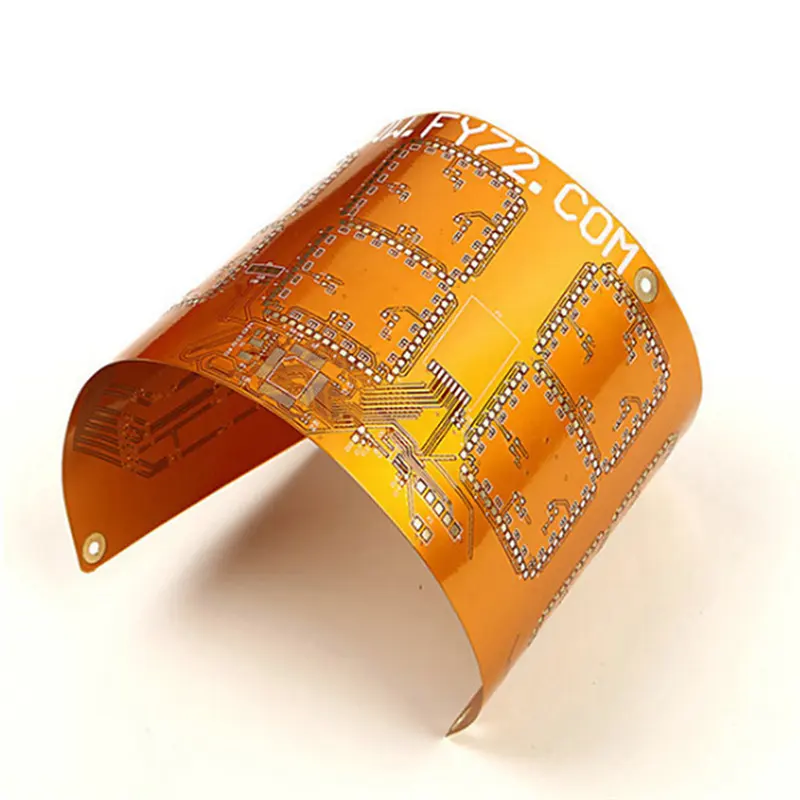
Germany remains Europe’s largest industrial economy and a major hub for advanced electronics, automotive technology, industrial automation, and medical devices, creating strong demand for flexible electronics and flexible circuits. The country’s electrical and digital industry generates over EUR 220 billion in annual revenue, while the manufacturing sector contributes approximately 20% of Germany’s GDP. Flexible circuits are increasingly utilized in electric vehicles, industrial sensors, consumer electronics, medical wearables, and smart manufacturing systems due to their lightweight structure, durability, and design flexibility. As Germany continues investing in Industry 4.0 technologies, semiconductor production, and next-generation mobility solutions, demand for advanced flexible electronic components is expected to strengthen significantly across multiple end-use industries.
Key Market Drivers for Germany’s Flexible Electronics and Flexible Circuits Industry
Strong Automotive Electrification and Advanced Mobility Development
Germany is Europe’s largest automotive manufacturing center, producing approximately 4 million vehicles annually and serving as a global leader in automotive innovation. The growing adoption of electric vehicles, connected mobility solutions, and autonomous driving technologies is creating substantial demand for flexible printed circuits, sensors, battery-management systems, and advanced display modules. Germany registered more than 500,000 battery electric vehicles annually in recent years, highlighting the rapid transition toward vehicle electrification. As automotive manufacturers integrate increasingly sophisticated electronic systems into vehicles, flexible circuits are becoming essential for reducing weight, improving space utilization, and enhancing performance.
Expanding Industrial Automation and Industry 4.0 Investments
Germany’s position as a global leader in industrial automation continues to drive demand for flexible electronics across manufacturing facilities and smart factories. The country operates more than 25,000 industrial enterprises, supported by widespread adoption of Industry 4.0 technologies, robotics, artificial intelligence, and connected production systems. Flexible sensors, printed electronics, and intelligent monitoring devices are increasingly used in predictive maintenance, machine monitoring, and automated production environments. As companies invest further in factory digitalization and operational efficiency, demand for next-generation flexible electronic solutions is expected to accelerate throughout the forecast period.
Growth in Medical Technology and Wearable Electronics Applications
Germany possesses one of Europe’s largest healthcare technology sectors, with the medical technology industry generating more than EUR 38 billion in annual revenue. Flexible electronics play an increasingly important role in wearable health devices, diagnostic equipment, patient monitoring systems, and smart medical sensors. Furthermore, the global wearable device market continues to ship over 500 million units annually, creating significant opportunities for flexible circuit manufacturers. Growing consumer demand for portable healthcare devices and remote monitoring solutions is expected to support continued adoption of advanced flexible electronic technologies across healthcare applications.
Government Support and Strategic Investments Strengthen Germany’s Flexible Electronics Industry
Germany continues to support advanced electronics development through its national semiconductor strategy, digital transformation initiatives, and Industry 4.0 programs. The federal government and the European Union have committed billions of euros in semiconductor and microelectronics investments aimed at strengthening regional technology capabilities and supply-chain resilience. Additionally, Germany’s climate-neutral industrial strategy and EV adoption targets are encouraging investments in advanced electronics, battery technologies, intelligent sensors, and digital manufacturing systems. These initiatives are expected to create favorable long-term conditions for flexible electronics and flexible circuits across automotive, healthcare, and industrial sectors.
Competitive Landscape of Germany’s Flexible Electronics and Flexible Circuits Industry
Germany’s flexible electronics and flexible circuits market is characterized by advanced manufacturing capabilities, strong research ecosystems, and high levels of technological innovation. Market participants compete through product performance, precision engineering, customization capabilities, and advanced material development. As Germany’s electrical and digital industry generates more than EUR 220 billion annually, industry stakeholders continue investing in flexible sensors, printed electronics, miniaturized circuit technologies, and smart manufacturing solutions. The growing focus on vehicle electrification, healthcare innovation, and industrial automation is expected to support further technological advancements within the market.
Major Challenges Facing Germany’s Flexible Electronics and Flexible Circuits Industry
High Manufacturing and Energy Costs
Germany’s manufacturing sector faces relatively high energy, labor, and operational costs compared to several global production hubs. Rising production expenses can impact profitability and increase pressure on manufacturers to improve process efficiency while maintaining product quality and technological leadership.
Supply Chain and Raw Material Dependencies
The flexible electronics industry relies on specialized materials, semiconductor components, conductive inks, and advanced substrates that are often sourced through global supply chains. Geopolitical uncertainties, raw-material shortages, and logistics disruptions can affect production schedules, procurement costs, and overall supply-chain stability for manufacturers.
Future Outlook
Looking ahead, Germany’s flexible electronics and flexible circuits market is expected to experience sustained growth, supported by expanding semiconductor investments, accelerating electric vehicle adoption, and increasing implementation of Industry 4.0 technologies. Germany remains one of Europe’s largest industrial markets, with more than EUR 220 billion in electrical and digital industry revenue and significant investments being directed toward advanced manufacturing and digital transformation. Demand for flexible sensors, printed electronics, smart medical devices, and automotive electronic systems is expected to increase steadily. As manufacturers prioritize miniaturization, energy efficiency, and intelligent connectivity, companies investing in advanced materials, R&D capabilities, and high-performance flexible circuit technologies will be well positioned to capitalize on Germany’s evolving technology ecosystem through 2035.
Consultants at Nexdigm, in their latest publication “ Germany Flexible Electronics and Flexible Circuits Market Outlook to 2035,” analyse the sector By Flexible Circuit Architecture (Adhesive-less Polyimide Base, Polyester PET Substrate and Copper Foil Etching), By Material Substrate Type (Polyimide and Polyethylene Terephthalate) and By Manufacturing Process (Photolithographic, Roll-to-Roll Processing and Laser Direct Structuring).
Nexdigm suggests that businesses in Germany’s Flexible Electronics and Flexible Circuits Industry prioritize advanced automotive electronics, Industry 4.0 applications, smart healthcare technologies, and next-generation semiconductor integration while building strategic partnerships across the manufacturing ecosystem to capitalize on growing demand for connected devices, electric mobility, industrial automation, and high-performance electronic solutions.
Tio take the next step, simply visit our Request a Consultation page and share your requirements with us.
Harsh Mittal
+91-8422857704