
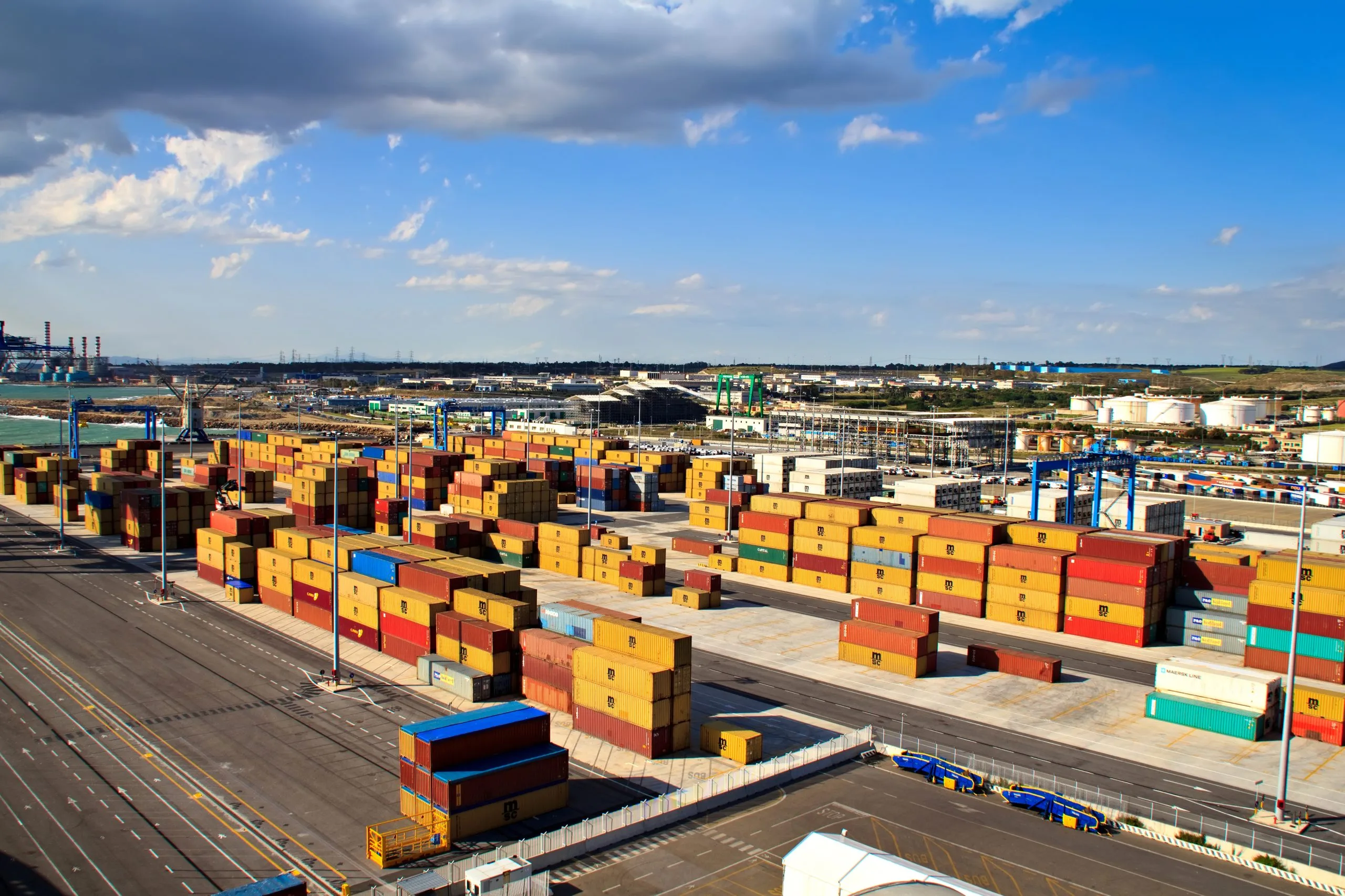
The Germany freight forwarding market is a pivotal segment of the country’s broader logistics and transport economy, serving as a gateway for European and global trade. In 2024, the market was estimated at approximately USD 9.46 billion, with expectations to nearly double by 2035 as cross‑border commerce expands and supply chains evolve. Germany’s central geographic position, extensive infrastructure, and integration with key manufacturing sectors underpin sustained demand for freight forwarding services. This outlook explores the forces shaping market dynamics through 2035, including technology adoption, trade patterns, and regulatory environments.
Key Drivers Fueling Growth in Germany’s Freight Forwarding Market
Strategic Location and Trade Flows
Germany’s position at the heart of Europe makes it a critical logistics hub linking northern and southern Europe, as well as Eastern and Western corridors. This centrality supports robust inbound and outbound freight forwarding volumes, particularly for industries such as automotive, machinery, and chemicals. Large industrial exports and integrated supply chains ensure consistent demand for forwarding services.
E‑Commerce Expansion and Supply Chain Complexity
Rapid growth in e‑commerce and digital retail platforms has intensified freight forwarding activity, especially for international parcels and express shipments. Germany’s advanced consumer market drives online shopping volumes, which pushes logistics providers to offer more flexible, multimodal forwarding solutions that can handle dynamic demand patterns. Third‑party logistics providers increasingly bundle value‑added services like warehousing and last‑mile coordination to differentiate offerings.
Digitalization and Technology Adoption
Forwarders are deploying technologies such as AI‑powered routing, IoT tracking, and blockchain for documentation to improve visibility and efficiency. These investments reduce transit times, improve asset utilization, and enhance compliance. Digital freight platforms are also enabling better integration between carriers, shippers, and customs authorities, lowering operational friction and cost.
Government Policies and Initiatives Driving Freight Forwarding Growth in Germany
Government policy in Germany increasingly supports logistics efficiency and sustainability. European Union initiatives promote modal shifts to rail and inland waterways and incentivize low‑emission transport solutions, aligning with carbon reduction targets. Investments in digital infrastructure (e‑customs systems, traffic management) streamline border procedures and increase transparency for freight operators. Regulatory frameworks also encourage safety standards and professional training to strengthen industry capacity.
Overview of Key Players and Competitive Dynamics in Germany’s Freight Forwarding Market
Germany’s freight forwarding market is highly competitive, featuring established global providers and domestic specialists. Major players such as DHL Freight, Kuehne + Nagel, DB Schenker, and DSV operate extensive multimodal networks, leveraging scale and technological capabilities to capture market share. The industry also includes a significant number of medium and smaller enterprises that serve niche segments, regional routes, and specialized logistics services. Competition is intensifying digital platforms and integrated supply chain solutions.
Key Challenges Facing the Germany Freight Forwarding Industry
Capacity Constraints and Labor Shortages
Freight forwarding and associated transport segments face capacity bottlenecks, particularly in road transport where driver shortages and aging workforces constrain flexibility and growth. Recruiting and retaining qualified logistics personnel remains a persistent challenge, affecting service reliability and delivery times.
Economic Volatility and Regulatory Costs
Global economic uncertainty, fluctuating freight rates, and compliance costs linked to environmental regulations can compress margins and deter investment. Geopolitical risks also disrupt key air and ocean routes, forcing rerouting and higher operational expenses.
Future Outlook
Looking ahead to 2035, the Germany freight forwarding market is expected to sustain growth driven by trade integration, infrastructure upgrades, and technology adoption. Projections suggest the market could reach approximately USD 17 billion by 2035 with steady compound growth, supported by diversification into digital and high‑value forwarding services. Multimodal solutions, increased sustainability requirements, and automation will shape service offerings and competitive positioning. However, operators must adapt to labor market constraints and evolving regulatory landscapes to fully capture future opportunities.
Consultants at Nexdigm, in their latest publication “Germany Freight Forwarding Market Outlook to 2035,” analyze the sector by System Type (Air Freight Forwarding, Sea Freight Forwarding, Road Freight Forwarding, Rail Freight Forwarding), By Platform Type (Domestic Logistics Networks, Cross Border Freight Networks, Digital Freight Platforms), and By Fitment Type (Full Container Load Freight Services, Less than Container Load Freight Services, Express Freight Services). Nexdigm suggests that businesses should adapt their strategies to evolving market trends and leverage technological advancements to stay competitive in the rapidly changing freight forwarding landscape.
To take the next step, simply visit our Request a Consultation page and share your requirements with us.
Harsh Mittal
+91-8422857704