
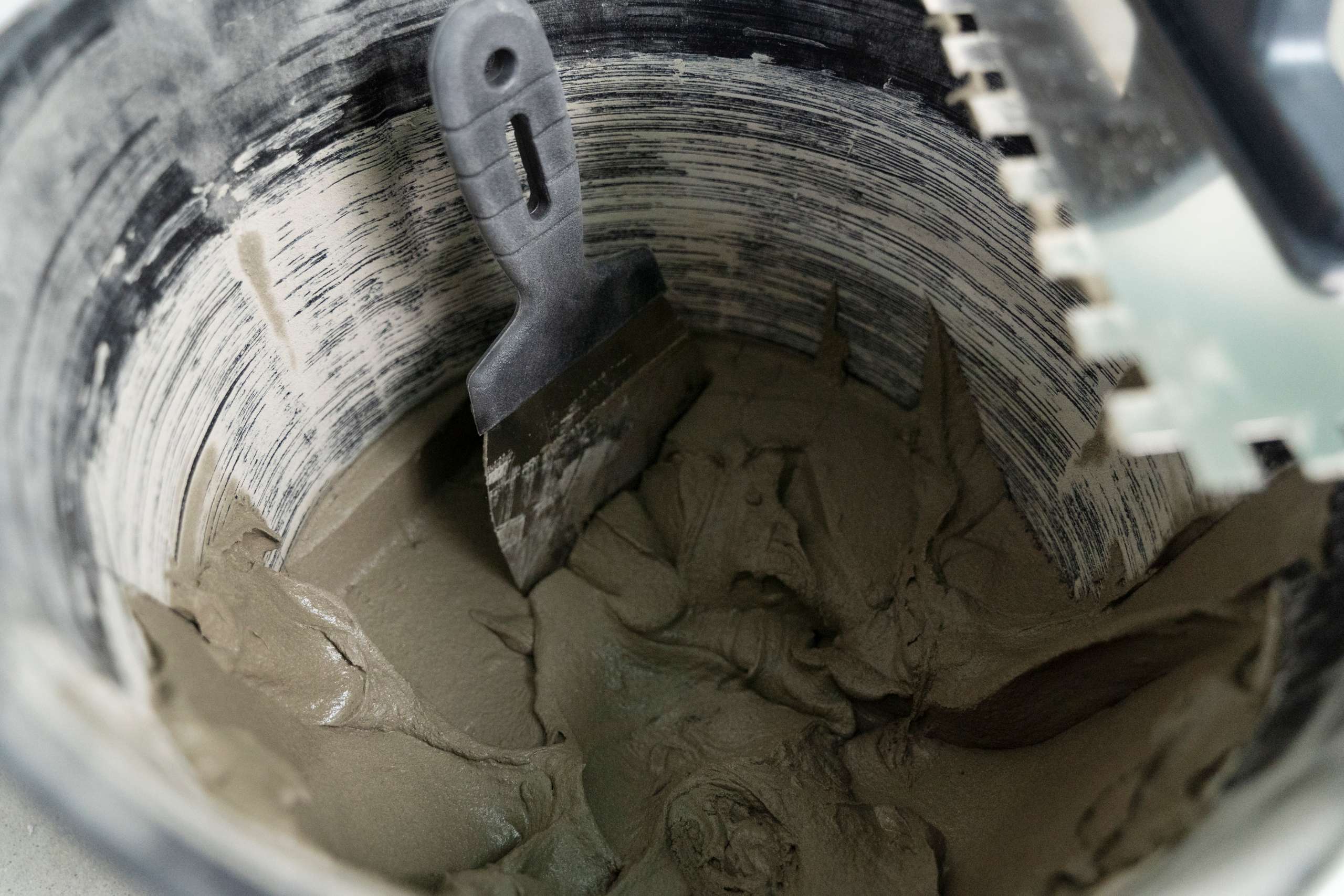
Germany’s green cement market is witnessing significant growth as the country accelerates its transition toward climate-neutral construction and sustainable infrastructure development. Germany possesses one of Europe’s largest construction sectors, generating more than EUR 500 billion annually, while the building sector accounts for approximately 30% of the country’s CO₂ emissions. Growing investments in energy-efficient buildings, transportation infrastructure, industrial modernization, and renovation projects are increasing demand for low-carbon building materials. Additionally, Germany has over 30 million residential buildings, creating substantial opportunities for green construction solutions. As environmental regulations become increasingly stringent, green cement is gaining importance as a key material supporting decarbonization across the construction value chain.
Key Market Drivers for Germany’s Green Cement Industry
Energy-Efficient Building Renovations Fuel Demand for Sustainable Cement
Germany has one of Europe’s largest building stocks, with more than 30 million residential buildings, a significant portion of which require energy-efficiency upgrades. The government’s focus on renovating older buildings to improve environmental performance is driving demand for sustainable construction materials. Green cement is increasingly utilized in retrofitting projects due to its lower carbon footprint and compatibility with modern sustainability standards. As property owners and developers seek to improve building efficiency, demand for environmentally friendly cement products continues to rise.
Infrastructure Modernization Programs Support Low-Carbon Construction
Germany continues to invest heavily in transportation networks, rail systems, bridges, public utilities, and digital infrastructure. The country has committed tens of billions of euros toward infrastructure modernization initiatives aimed at enhancing economic competitiveness and sustainability. These projects require substantial volumes of construction materials while placing increasing emphasis on reducing lifecycle carbon emissions. Green cement is benefiting from growing adoption in public infrastructure projects as authorities seek to align construction activities with national climate objectives.
Industrial Decarbonization and ESG Commitments Accelerate Market Adoption
Germany remains Europe’s largest industrial economy, with manufacturing accounting for approximately 20% of GDP. Companies across industrial and commercial sectors are strengthening ESG commitments and carbon-reduction strategies, creating greater demand for low-carbon construction materials. The growing emphasis on circular economy practices, resource efficiency, and sustainable procurement is encouraging wider adoption of green cement. Developers, investors, and infrastructure operators increasingly value building materials that contribute to environmental targets while maintaining structural performance and durability.
Government Support and Sustainability Initiatives Backed by Climate-Neutral Building Policies and Carbon Reduction Programs
Germany’s green cement market is benefiting from strong policy support aimed at decarbonizing the construction and industrial sectors. The country has committed to achieving climate neutrality by 2045 and has established a €100 billion Climate and Transformation Fund (KTF) to finance climate-related investments, clean technologies, and sustainable infrastructure. Additionally, buildings account for nearly 30% of Germany’s total CO₂ emissions, prompting stricter energy-efficiency requirements and low-carbon construction standards. Government incentives for building renovations, renewable energy integration, and sustainable urban development are creating favorable conditions for increased adoption of green cement across residential, commercial, and infrastructure projects.
Competitive Landscape Supported by Europe’s Largest Construction Market and Growing Sustainability Requirements
Germany’s green cement market operates within one of Europe’s largest construction industries, generating more than €500 billion in annual revenue and supported by over 30 million residential buildings. Market participants are investing heavily in clinker-reduction technologies, carbon capture solutions, alternative binders, and recycled construction materials to align with stringent EU and national emissions targets. Competition is increasingly centered on carbon-reduction performance, sustainability certifications, production efficiency, and compliance with environmental regulations. As demand for energy-efficient buildings and climate-neutral infrastructure continues to grow, suppliers offering advanced low-carbon cement solutions are expected to gain a significant competitive advantage in the German market.
Major Challenges Facing Germany’s Green Cement Industry
High Energy Costs and Decarbonization Investments
Green cement production requires significant investment in advanced manufacturing technologies, alternative fuels, and emissions-reduction systems. Germany’s relatively high industrial energy costs can increase production expenses, creating challenges for manufacturers seeking to maintain cost competitiveness while pursuing sustainability objectives.
Stringent Environmental Compliance Requirements
Manufacturers face increasingly strict environmental regulations related to emissions, energy efficiency, and resource utilization. Meeting these standards often requires continuous investments in technology upgrades, certification processes, and sustainable production capabilities, which can place pressure on operational profitability.
Future Outlook
Germany’s green cement market is expected to experience strong growth, supported by a construction industry exceeding EUR 500 billion, increasing investments in energy-efficient buildings, and the country’s commitment to achieving climate neutrality by 2045. Rising renovation activities across more than 30 million residential buildings, coupled with expanding sustainable infrastructure projects, will continue to drive demand for low-carbon construction materials. Furthermore, growing adoption of ESG principles, circular economy initiatives, and carbon-efficient construction practices is expected to accelerate market penetration. Technological advancements in alternative binders, carbon capture solutions, and sustainable manufacturing processes will further strengthen the long-term outlook for green cement across Germany’s construction sector.
Consultants at Nexdigm, in their latest publication “ Germany Green Cement Market Outlook to 2035,” analyse the sector By Cement Composition (Limestone-Based (CEM II/A-LL), Blast-Furnace Slag Blended (CEM II/B-S) and Siliceous Fly Ash Integrated (CEM II/B-V)), By Manufacturing Process (Hydrogen-Powered Calcination and Kiln Electrification) and Distribution Channel (Direct B2B Plant Supply, Construction Material Retailers and Ready-Mix Concrete Plants).
Nexdigm suggests that businesses in Germany’s Green Cement Industry focus on accelerating low-carbon production technologies, increasing the use of alternative and recycled materials, and strengthening partnerships with sustainable construction stakeholders to capitalize on the country’s growing demand for climate-neutral buildings and environmentally responsible infrastructure development.
To take the next step, simply visit our Request a Consultation page and share your requirements with us.
Harsh Mittal
+91-8422857704