
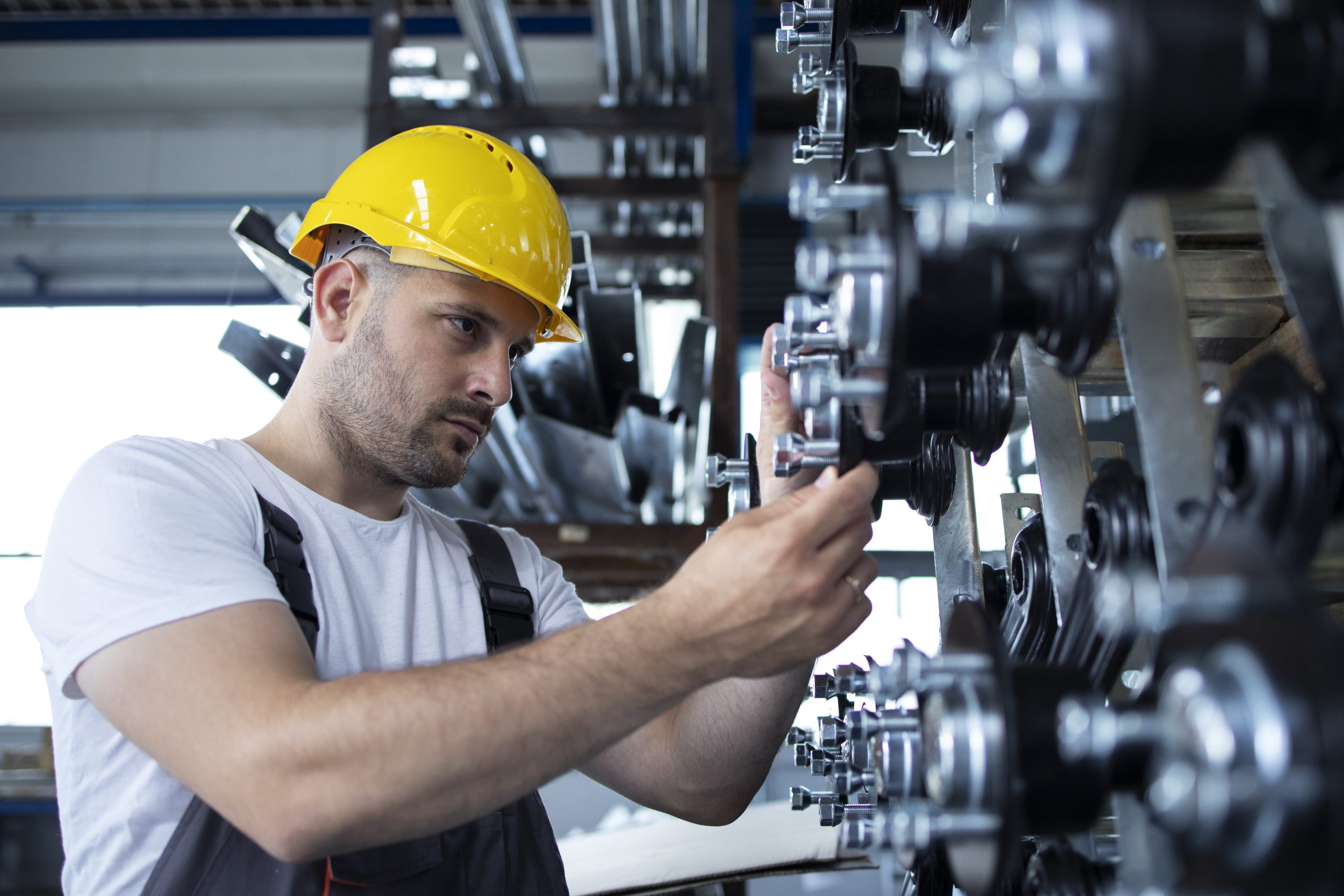
Germany’s industrial electric motors market is undergoing a significant transformation, supported by industrial automation, energy efficiency requirements, and the country’s commitment to sustainable manufacturing. Electric motors play an essential role in automotive production, machinery, chemicals, food processing, and other industrial applications. The market is estimated at USD 8.42 billion in 2025 and is projected to reach USD 14.31 billion by 2035, growing at a CAGR of approximately 5.4%. Increasing investments in smart factories and energy-efficient equipment are expected to strengthen demand over the coming years.
Key Market Drivers Supporting Germany’s Industrial Electric Motors Industry Growth
Growing Industrial Automation and Smart Manufacturing
Germany’s strong manufacturing ecosystem is creating consistent demand for advanced industrial electric motors. The growing adoption of Industry 4.0, robotics, automated assembly lines, and smart production facilities is encouraging manufacturers to invest in high-performance motors. Industries such as automotive, electronics, metalworking, and packaging increasingly require precision-controlled motors to improve productivity and operational reliability. Additionally, the integration of motors with intelligent control systems is helping factories minimize downtime and improve production efficiency.
Increasing Demand for Energy-Efficient Motor Technologies
Rising energy costs and sustainability commitments are encouraging German industries to replace conventional motors with energy-efficient alternatives. IE3, IE4, and IE5 motor technologies are gaining attention because they help reduce electricity consumption and long-term operating expenses. According to the European Commission, approximately 380 million electric motors within the scope of EU ecodesign regulations were operating across the EU in 2020, accounting for around 53% of total EU electricity consumption. This highlights the importance of improving motor efficiency. Consequently, industrial facilities are increasingly prioritizing advanced motors and variable-frequency drive systems.
Expansion of Automotive and Industrial Machinery Manufacturing
Germany’s established automotive and machinery manufacturing sectors remain important demand generators for industrial electric motors. The transition towards electric mobility, increasing automation in vehicle production, and investments in advanced manufacturing equipment are supporting demand for synchronous motors, servo motors, and specialized drive systems. Furthermore, manufacturers are focusing on compact, durable, and high-torque motor solutions to meet evolving industrial requirements. These developments are expected to create additional opportunities for motor manufacturers and technology suppliers.
Government Support and Energy Efficiency Initiatives Strengthening Industry Development
Government policies and European Union regulations are playing an important role in shaping Germany’s industrial electric motors market. The EU Ecodesign Regulation (EU) 2019/1781 establishes minimum energy efficiency requirements for electric motors and variable-speed drives, encouraging manufacturers to develop more efficient products. Germany’s broader energy transition strategy, along with industrial energy-efficiency initiatives, is also promoting investments in modern equipment and sustainable production technologies. These measures are expected to accelerate the replacement of outdated motors and support the adoption of advanced motor systems across industrial facilities.
Competitive Landscape of Germany’s Industrial Electric Motors Industry
Germany’s industrial electric motors market features established domestic manufacturers and international technology providers competing through product innovation, energy efficiency, reliability, and automation capabilities. Major participants include Siemens AG, ABB, and SEW-EURODRIVE, alongside other specialized motor and drive manufacturers. Companies are increasingly investing in digitally connected motors, advanced motion-control solutions, and predictive maintenance technologies. In addition to product performance, customized engineering, after-sales services, and strong distribution networks are becoming important competitive differentiators.
Market Challenges Affecting Germany’s Industrial Electric Motors Industry
High Initial Investment and Modernization Costs
Despite the long-term energy savings associated with advanced electric motors, their initial purchase and installation costs can be challenging for small and medium-sized manufacturers. Replacing existing motor systems may also require modifications to machinery, electrical infrastructure, and control equipment. This can slow the adoption of premium-efficiency technologies, particularly among cost-conscious industrial businesses.
Supply Chain and Raw Material Constraints
Fluctuating prices and the availability of copper, electrical steel, and permanent magnet materials can create procurement challenges for motor manufacturers. Supply chain disruptions and increasing production expenses may affect manufacturing costs and delivery schedules. Maintaining competitive pricing while meeting higher performance and efficiency standards remains an important industry concern.
Future Outlook
Germany’s industrial electric motors market is expected to maintain a positive growth trajectory through 2035, supported by industrial modernization, electrification, and increasing emphasis on energy-efficient manufacturing. The adoption of IE4 and IE5 motors, permanent magnet synchronous motors, and digitally connected drive systems is likely to expand across key industries. Furthermore, advancements in artificial intelligence, predictive maintenance, and industrial automation will create new opportunities for manufacturers. Companies offering energy-efficient, intelligent, and application-specific motor solutions are expected to strengthen their competitive positions as German industries move towards more sustainable and technologically advanced production environments.
Consultants at Nexdigm, in their latest publication “Germany Industrial Electric Motors Market Outlook to 2035,” analyze the sector by Motor Technology (AC Induction Motors, DC Motors, Synchronous Motors, Specialty Motors), By Application Industry (Automotive Manufacturing, Chemical and Pharmaceutical Processing, Food and Beverage Production), and By Power Rating (Micro Motors, Low Power, Medium Power).
Nexdigm suggests that businesses should prioritize energy-efficient motor technologies, invest in smart manufacturing capabilities, strengthen supply chain resilience, and develop innovative solutions to capitalize on Germany’s growing industrial automation and sustainability requirements through 2035.
To take the next step, simply visit our Request a Consultation page and share your requirements with us.
Harsh Mittal
+91-8422857704