
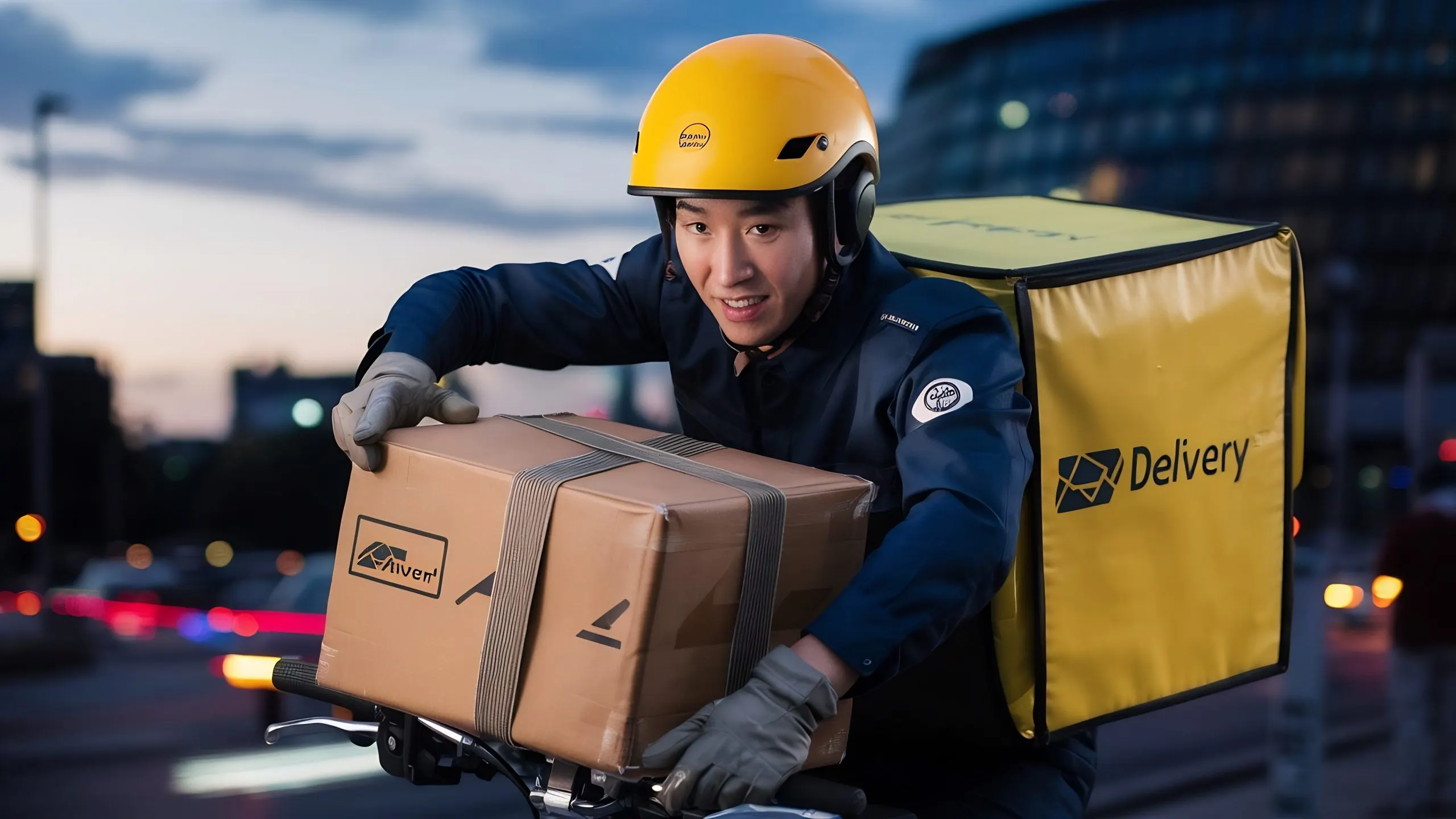
The last‑mile delivery market in Germany is experiencing rapid evolution driven by e‑commerce growth, rising consumer expectations, and technological advancements. As one of Europe’s largest logistics hubs, Germany handled over €85 billion in e‑commerce sales in 2024, a trend that continues to pressure delivery networks for faster, more efficient services. Urbanization, same‑day delivery demand, and sustainability concerns are reshaping how goods move from distribution centers to doorsteps. By 2035, the German last‑mile delivery market is projected to embrace digitalization, greener transport modes, and optimized delivery models to improve service quality while reducing operational costs and carbon emissions.
Primary Factors Driving Growth in Germany’s Last-Mile Delivery Market
E‑Commerce Growth and Consumer Expectations
E‑commerce remains the primary driver for Germany’s last‑mile delivery market. Germany’s online retail revenue surpassed €85 billion in 2024, up from €70 billion in 2020, reflecting sustained consumer preference for digital shopping. With this growth, demand for rapid delivery windows has increased sharply; 56% of German online shoppers now expect next‑day delivery, and nearly 30% prefer same‑day options when available. These expectations compel logistics providers to expand delivery capacities and adopt advanced route planning systems.
Urbanization and Delivery Density
Germany’s urban population exceeds 77% of the total, resulting in high delivery density within cities such as Berlin, Munich, and Hamburg. While dense urban areas reduce distance per stop and potentially improve efficiency, traffic congestion and limited parking raise operational costs. This environment encourages the use of micro‑fulfillment centers and localized distribution hubs to shorten delivery distances.
Technology Adoption and Automation
Digital technologies like route optimization algorithms, real‑time tracking, and delivery management platforms are core enablers for last‑mile efficiency. Automated sorting facilities, predictive analytics, and AI‑driven demand forecasts help carriers reduce delivery times and costs. Additionally, contactless and autonomous delivery solutions—such as delivery robots and drones—are progressing from pilot stages toward commercial deployment, supported by investments from logistics firms and tech startups.
Government Policies and Initiatives Supporting Last-Mile Delivery Innovation and Sustainability
The German government is promoting sustainable logistics through regulatory frameworks and incentives. Urban access restrictions for high‑emission vehicles and low‑emission zones in major cities push carriers toward cleaner fleets. Subsidies and tax incentives are available for electric vehicle (EV) adoption in logistics, and public funding supports research in autonomous delivery systems. National strategies align with the European Green Deal, emphasizing CO2 reduction targets of at least 55% by 2030 compared with 1990 levels for the transport sector.
Key Players and Competitive Dynamics in Germany’s Last-Mile Delivery Market
The German last‑mile delivery space is highly competitive, with traditional carriers such as DHL, Hermes, and DPD holding significant market share. Global integrators like UPS and FedEx compete alongside specialty same‑day providers and digital startups offering crowdsourced delivery networks. Partnerships between retailers and logistics partners are increasing, while technology firms provide SaaS solutions for delivery of orchestration. Strategic investments in green fleets and digital tools are key differentiators in this competitive environment.
Key Challenges Impacting Efficiency and Growth in Germany’s Last-Mile Delivery Sector
Cost Pressure and Infrastructure Constraints
Persistent cost pressure is a central challenge. Rising fuel prices, labor shortages, and increasing urban congestion inflate operational costs. Delivery density advantages in cities can be offset by restricted access and limited curb space. Sustainability regulations further increase expenditures for compliant fleets, especially for small and medium enterprises. Balancing service quality with profitability remains a core concern for players of all sizes.
Future Outlook
Looking ahead to 2035, Germany’s last‑mile delivery market will witness continued transformation toward efficiency, sustainability, and digital integration. Electric and hydrogen‑powered fleets are expected to become mainstream, supported by expanding charging infrastructure and policy incentives. Autonomous delivery solutions, including drones and sidewalk robots, may supplement traditional delivery methods for selecting use cases. Investments in data analytics and AI will enhance routing, forecasting, and customer experience. Overall, the market is poised to balance cost, speed, and environmental impact, aligning logistics capabilities with evolving consumer demands and regulatory expectations.
Consultants at Nexdigm, in their latest publication “Germany Last‑Mile Delivery Market Outlook to 2035,” analyze the sector by System Type (Parcel Delivery Services, Same Day Delivery Services, Next Day Delivery Services, Crowdsourced Delivery Services), By Platform Type (E-commerce Fulfillment Platforms, Retail Omnichannel Platforms, Third Party Logistics Platforms), and By Fitment Type (Urban Delivery Networks, Suburban Distribution Networks, Rural Delivery Networks). Nexdigm suggests that businesses should focus on adapting to evolving consumer expectations, leveraging advanced technologies, and investing in sustainable delivery solutions to remain competitive in Germany’s dynamic last-mile delivery market.
To take the next step, simply visit our Request a Consultation page and share your requirements with us.
Harsh Mittal
+91-8422857704