
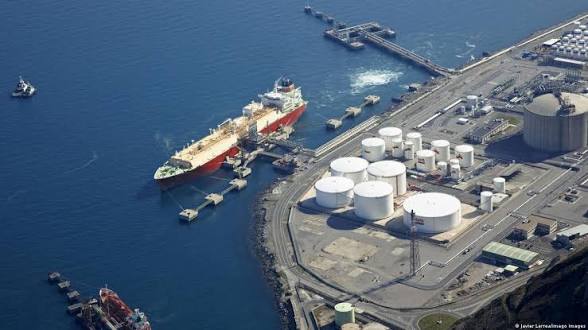
Germany’s LNG infrastructure market has evolved rapidly from having no domestic LNG import terminals to becoming one of Europe’s most active LNG infrastructure hubs. The shift was largely driven by the need to diversify energy supplies and reduce dependence on pipeline gas imports. Today, Germany operates multiple LNG import facilities, including terminals in Wilhelmshaven and Brunsbüttel, while additional projects continue to expand national energy resilience. LNG accounted for approximately 11% of Germany’s gas imports during a recent reporting period, highlighting its growing importance in the country’s energy mix.
Market Drivers Advancing the Germany LNG Infrastructure Industry
Germany’s Push for Diversified Energy Sources
One of the strongest drivers of Germany’s LNG infrastructure industry is the country’s commitment to diversifying energy imports. Following disruptions in traditional gas supply routes, Germany accelerated the construction of LNG import facilities to strengthen energy security and improve supply flexibility. The country now operates LNG import infrastructure across multiple locations, creating a more resilient and diversified supply network capable of receiving LNG cargoes from global suppliers.
Rapid Expansion of LNG Terminal Capacity
Germany has quickly developed floating storage and regasification unit (FSRU) infrastructure. The state-backed operator Deutsche Energy Terminal currently operates LNG terminals at Wilhelmshaven 1, Wilhelmshaven 2, and Brunsbüttel, while the Stade terminal is being developed. The Wilhelmshaven 1 terminal has an annual grid injection capacity of up to 4.8 billion cubic meters, while Wilhelmshaven 2 can inject up to 4.3 billion cubic meters annually. The Brunsbüttel terminal contributes approximately 4 billion cubic meters per year to the gas network. These investments significantly strengthen Germany’s LNG receiving capabilities.
LNG as a Bridge in the Energy Transition
While Germany continues expanding renewable energy generation, LNG remains important for maintaining energy reliability during the transition period. Natural gas is increasingly viewed as a bridging fuel supporting industrial operations, power generation, and energy system stability until larger-scale hydrogen and renewable energy infrastructure becomes available. Many LNG infrastructure projects are also being designed with future compatibility for hydrogen and low-carbon fuels.
Government Initiatives Supporting Germany LNG Infrastructure Development
The German government has actively supported LNG infrastructure expansion through accelerated permitting, public investments, and state-backed terminal operations. Temporary floating terminals were deployed rapidly, while permanent onshore facilities continue advancing. Projects such as the Brunsbüttel LNG Terminal, expected to begin operations in 2027 with a capacity of approximately 7.35 MTPA, demonstrate the government’s long-term commitment to strengthening energy security while preparing infrastructure for future hydrogen imports.
Competitive Landscape of Germany LNG Infrastructure Industry
The market includes a mix of public and private stakeholders. Key participants include Deutsche Energy Terminal (DET), Uniper, Deutsche ReGas, Gasunie, RWE, Hanseatic Energy Hub, Vopak LNG, and Oil tanking. Competition focuses on terminal capacity, regasification efficiency, infrastructure integration, and future readiness for hydrogen and low-carbon fuels. Strategic partnerships between energy companies, infrastructure operators, and government-backed entities continue shaping the market.
Challenges Facing Germany LNG Infrastructure Market
Balancing LNG Expansion with Climate Goals
Germany faces the challenge of expanding LNG infrastructure while simultaneously pursuing ambitious climate and decarbonization targets. Policymakers must balance short-term energy security needs with long-term renewable energy objectives. Infrastructure Costs and Utilization Risks Large investments in LNG terminals and associated infrastructure carry long-term utilization risks. Some analysts have questioned whether future gas demand could decline as renewable energy deployment accelerates, potentially affecting terminal utilization rates.
Future Outlook
The outlook for Germany’s LNG infrastructure market remains positive as the country continues strengthening energy security and diversifying gas imports. New facilities such as the onshore Brunsbüttel terminal and the ongoing development of Stade will further expand national import capabilities. Looking ahead, LNG infrastructure is expected to serve a dual purpose: supporting near-term energy reliability while gradually evolving toward future hydrogen and low-carbon fuel applications. As Germany advances its energy transition, LNG terminals will remain an important component of the country’s broader strategy to ensure secure, flexible, and sustainable energy supplies.
Consultants at Nexdigm, in their latest publication “Germany LNG Infrastructure Market Outlook to 2035” analyze the sector By Terminal Configuration Type (Floating Storage Regasification Units, Land-Based Regasification Facilites and Mobile Regasification Barges), By stratagic Infrastructure Location(Wilhemshaven Hub, Brunsbuttel Industrial Zone and Stade Port Teminal).
Nexdigm suggests that businesses in “Germany LNG Infrastructure Industry” focusses on oilfield, desalination, construction, and industrial applications, strengthen local warehousing, develop application-specific grades, improve technical support, and build resilient sourcing networks to serve expanding energy, water, and manufacturing demand.
To take the next step, simply visit our Request a Consultation page and share your requirements with us.
Harsh Mittal
+91-8422857704