
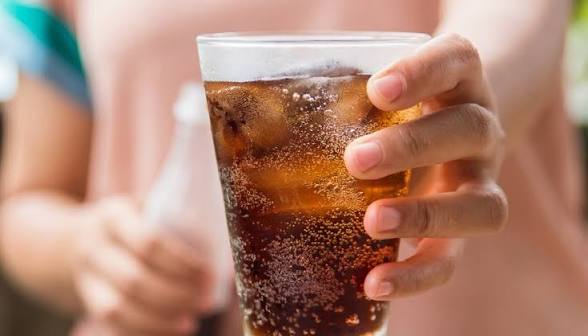
Germany’s non-alcoholic beverages industry continues to evolve as consumers increasingly prioritize health, convenience, and sustainability. From mineral water and fruit juices to functional beverages and sugar-free soft drinks, purchasing habits are shifting rapidly. Bottled water remains one of the most consumed beverage categories in the country, while reduced-sugar products account for a significant share of soft drink demand. Industry observers also note growing interest in plant-based drinks, energy beverages, and wellness-focused products, reflecting a broader lifestyle transformation among German consumers.
Market Drivers Advancing the Germany Non-Alcoholic Beverages Industry
Health and Wellness Preferences Reshaping Consumption
German consumers are becoming more conscious about nutrition and hydration. As a result, demand for low-calorie, sugar-free, and functional beverages continues to rise. According to industry reports, reduced-sugar and no-sugar variants represent a large portion of carbonated soft drink consumption, highlighting the country’s growing focus on healthier lifestyles. Functional beverages enriched with vitamins, electrolytes, and probiotics are also gaining popularity among younger consumers and fitness enthusiasts.
Rising Demand for Bottled Water and Premium Hydration Products
Bottled water remains a cornerstone of Germany’s non-alcoholic beverage market. Research indicates that bottled water continues to be the strongest-performing category, driven by consumer interest in hydration, wellness, and premium mineral water offerings. Reusable packaging formats further strengthen consumer preference for bottled water products, aligning with Germany’s sustainability-focused culture.
Innovation and Convenience Driving Premiumization
Manufacturers are investing heavily in product innovation to attract evolving consumer segments. Ready-to-drink teas, coffees, energy drinks, flavored waters, and plant-based beverages are expanding shelf space across supermarkets and convenience stores. At the same time, premium products featuring natural ingredients, organic certifications, and clean-label positioning are helping brands differentiate themselves in a competitive marketplace. E-commerce and on-the-go consumption trends are further supporting category expansion.
Government Initiatives Supporting the Germany Non-Alcoholic Beverages Industry
Germany’s well-established recycling and deposit-return system has become a major support mechanism for the beverage sector. The Pfand system covers more than 90% of single-use PET bottles, encouraging high collection and recycling rates. Government-backed sustainability initiatives and environmental regulations continue to promote reusable packaging, circular economy practices, and responsible resource management, pushing beverage manufacturers toward greener operations and packaging innovations.
Competitive Landscape of the Germany Non-Alcoholic Beverages Industry
The market features a mix of global beverage giants and strong domestic brands. Companies such as Coca-Cola, PepsiCo, Red Bull, and several regional mineral water producers compete across multiple beverage categories. Retail leaders including Aldi and Lidl also influence market dynamics through private-label offerings. Competition increasingly revolves around health-focused formulations, sustainable packaging, and premium product differentiation rather than price alone.
Challenges Impacting Germany’s Non-Alcoholic Beverages Industry
Intense Price Competition Across Retail Channels
Germany’s highly competitive retail environment places continuous pressure on beverage manufacturers. Discounters and private-label brands often compete aggressively on pricing, making it difficult for premium brands to maintain margins while preserving product quality and innovation investments.
Regulatory and Sustainability Cost Pressures
Companies must adapt to evolving expectations around sugar reduction, health claims, and environmentally friendly packaging. Investments in recycled materials, sustainable production technologies, and compliance requirements can increase operating costs, particularly for smaller market participants.
Future Outlook
The future of Germany’s non-alcoholic beverages industry appears promising as consumer preferences continue to align with wellness, sustainability, and convenience. Functional beverages, flavored waters, plant-based drinks, and premium hydration products are expected to attract growing attention. Brands that successfully balance health benefits, taste, and environmental responsibility are likely to strengthen their market position. As innovation accelerates and sustainability becomes a core purchasing criterion, Germany will remain one of Europe’s most dynamic and influential non-alcoholic beverage markets, offering substantial opportunities for both established companies and emerging brands.
Consultants at Nexdigm, in their latest publication “Germany Non-Alcoholic Beverages Market Outlook to 2035“ analyze the sector By Product Category (Dietary Coals, Lemon-Lime Sodas and Specialty Craft Sodas), By Distribution Channel (Discount Retailers and Online Grocery Platforms) and By Packaging Type (Glass Bottles and Aluminum Cans).
Nexdigm suggests that businesses in “Germany Non-Alcoholic Beverages Industry” focusses on oilfield, desalination, construction, and industrial applications, strengthen local warehousing, develop application-specific grades, improve technical support, and build resilient sourcing networks to serve expanding energy, water, and manufacturing demand.
To take the next step, simply visit our Request a Consultation page and share your requirements with us.
Harsh Mittal
+91-8422857704