
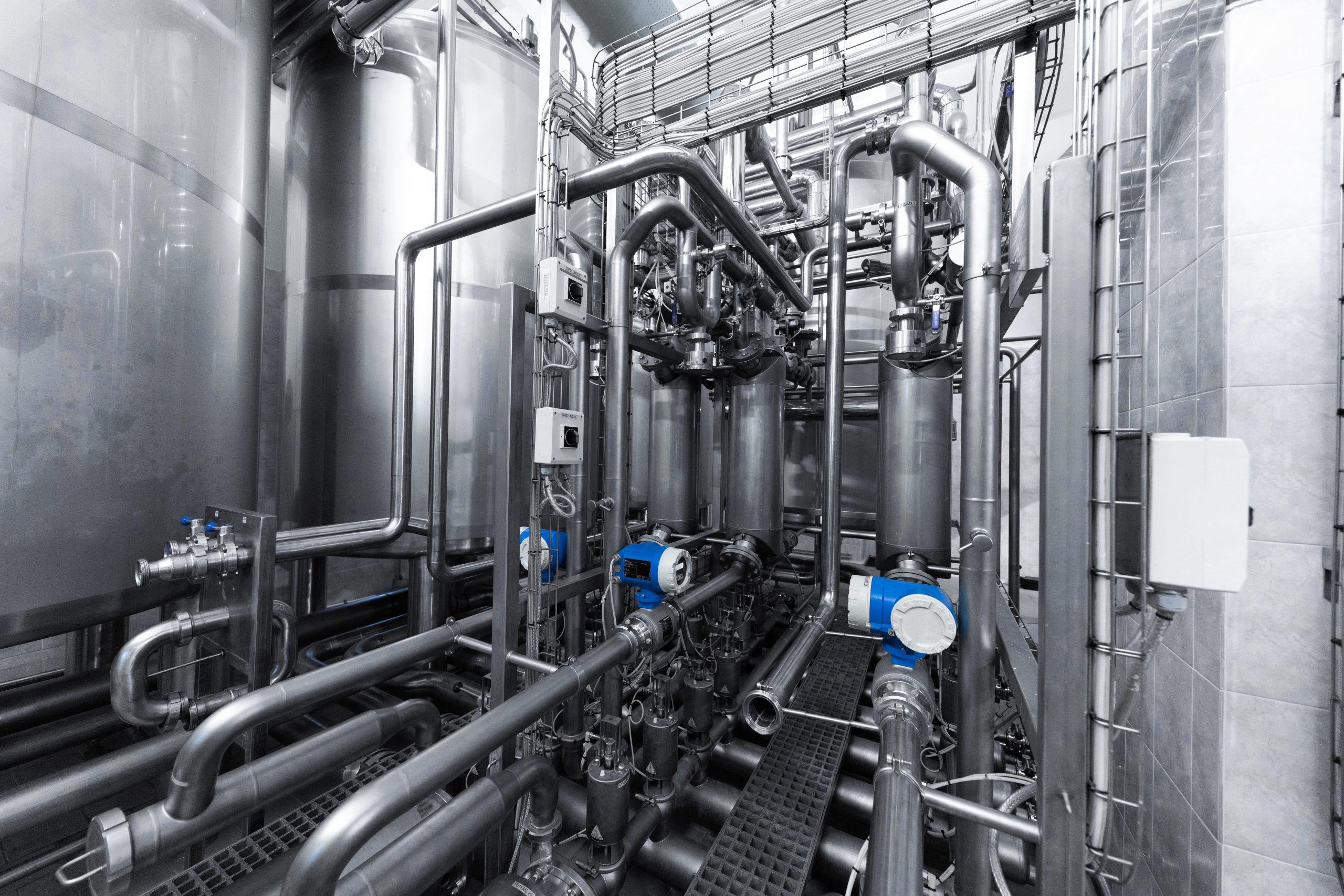
Germany’s industrial and process gas compressors market is expected to witness steady growth through 2035, supported by the country’s strong manufacturing base, expanding chemical industry, and increasing investments in energy infrastructure. Compressors play an essential role in transporting, processing, and storing gases across industries such as chemicals, oil and gas, pharmaceuticals, food processing, and power generation. As Germany accelerates its energy transition, demand is also shifting towards energy-efficient compressor systems capable of handling hydrogen, carbon dioxide, and other industrial gases. This transition is creating new opportunities for equipment manufacturers and technology providers.
Key Market Drivers Are Strengthening Demand Across Industrial Applications
Expansion of Germany’s Chemical and Petrochemical Industry
Germany’s well-established chemical and petrochemical sector remains a major demand generator for industrial and process gas compressors. These systems are widely used in gas circulation, chemical processing, refining, synthesis, and material production. According to Germany Trade & Invest, the country’s chemical industry generated approximately €189 billion in revenue in 2025, highlighting the scale of its industrial ecosystem. As manufacturers modernize production facilities and improve operational efficiency, demand for reliable, high-capacity compression equipment is expected to increase.
Growing Demand for Hydrogen Compression and Storage
Germany’s transition towards cleaner energy is creating an emerging growth avenue for specialized gas compressors. Hydrogen production, transportation, refuelling, and storage require advanced compression technologies capable of operating under demanding pressure and safety conditions. The country’s National Hydrogen Strategy targets at least 10 GW of domestic electrolysis capacity by 2030. This ambition is encouraging investments in hydrogen infrastructure, including pipelines, storage facilities, and industrial applications. Consequently, manufacturers offering hydrogen-compatible compressors are likely to benefit from new project opportunities.
Increasing Focus on Energy Efficiency and Industrial Modernization
Rising energy costs and stricter environmental expectations are encouraging German industries to replace older compression equipment with technologically advanced alternatives. Modern centrifugal, reciprocating, and screw compressors offer improved energy performance, operational reliability, and digital monitoring capabilities. Industrial operators are increasingly prioritizing variable-speed drives, predictive maintenance, automated controls, and heat recovery solutions to reduce operating expenses. Additionally, investments in carbon capture, industrial gas recycling, and process optimization are expected to create further demand for specialized compression systems.
Government Initiatives Are Supporting Germany’s Industrial Gas Infrastructure
Germany’s National Hydrogen Strategy is an important policy driver for the industrial gas compressor market. The government aims to establish at least 10 GW of domestic electrolysis capacity by 2030 while developing hydrogen transportation infrastructure. Its hydrogen import strategy also anticipates demand of 95–130 TWh by 2030, with a significant share expected to come from imports. Furthermore, European funding mechanisms, industrial decarbonization programmes, and infrastructure investments are supporting the development of hydrogen production, storage, and distribution networks. These initiatives are expected to create long-term opportunities for compressor manufacturers.
Competitive Landscape Is Driven by Technology and Engineering Capabilities
Germany’s industrial and process gas compressors market features established international manufacturers and specialized engineering companies competing through product innovation, reliability, and energy efficiency. Key industry participants include Siemens Energy, MAN Energy Solutions, Atlas Copco, and Burckhardt Compression. Competition increasingly revolves around customized compression solutions, hydrogen-ready equipment, digital monitoring, lifecycle services, and reduced energy consumption. Manufacturers with strong engineering expertise and established relationships across chemical, petrochemical, and energy industries are positioned to capitalize on emerging investment opportunities.
Market Challenges Are Influencing Investment and Equipment Adoption
High Initial Investment and Operating Costs
Industrial and process gas compressor systems often require substantial capital expenditure, particularly when designed for specialized gases, high-pressure operations, or hydrogen applications. Installation, maintenance, and energy consumption further increase the total cost of ownership. These expenses can discourage smaller industrial operators from upgrading existing equipment, potentially slowing market expansion.
Uncertainty Around Hydrogen Infrastructure Development
Although Germany has ambitious hydrogen targets, the development of production facilities, pipelines, and storage infrastructure faces investment and implementation challenges. The European Environment Agency has highlighted uncertainties surrounding project financing and the pace of hydrogen deployment. Delays in infrastructure development could affect demand forecasts and postpone procurement of specialized hydrogen compressors.
Future Outlook
Germany’s industrial and process gas compressors market is expected to experience sustained growth through 2035, supported by industrial modernization, hydrogen infrastructure development, and increasing demand for energy-efficient equipment. One published industry estimate values the German process gas compressors market at approximately USD 398.8 million in 2025, projecting it to reach USD 622.1 million by 2035, at a CAGR of 4.6% during 2026–2035. Going forward, hydrogen-compatible compressors, digital monitoring systems, and high-efficiency centrifugal and reciprocating technologies are likely to attract greater investment. Companies that combine engineering innovation with reliable after-sales services will be better positioned to capture emerging opportunities.
Consultants at Nexdigm, in their latest publication “Germany Industrial and Process Gas Compressors Market Outlook to 2035,” analyze the sector by Compressor Technology Type (Rotary Screw Compressors, Centrifugal Compressors, Reciprocating Compressors, Scroll and Vane Compressors), By Industrial End-User Sector (Chemical and Petrochemical Processing, Automotive Manufacturing Facilities, Renewable Energy and Hydrogen Storage), and By Pressure Rating (Low Pressure, Medium Pressure, High Pressure).
Nexdigm suggests that businesses should prioritize investments in energy-efficient and hydrogen-compatible compressor technologies, strengthen partnerships with industrial gas and infrastructure providers, and focus on digital monitoring and predictive maintenance solutions. Aligning product portfolios with Germany’s decarbonization goals and evolving industrial requirements will help businesses capture long-term growth opportunities.
To take the next step, simply visit our Request a Consultation page and share your requirements with us.
Harsh Mittal
+91-8422857704