
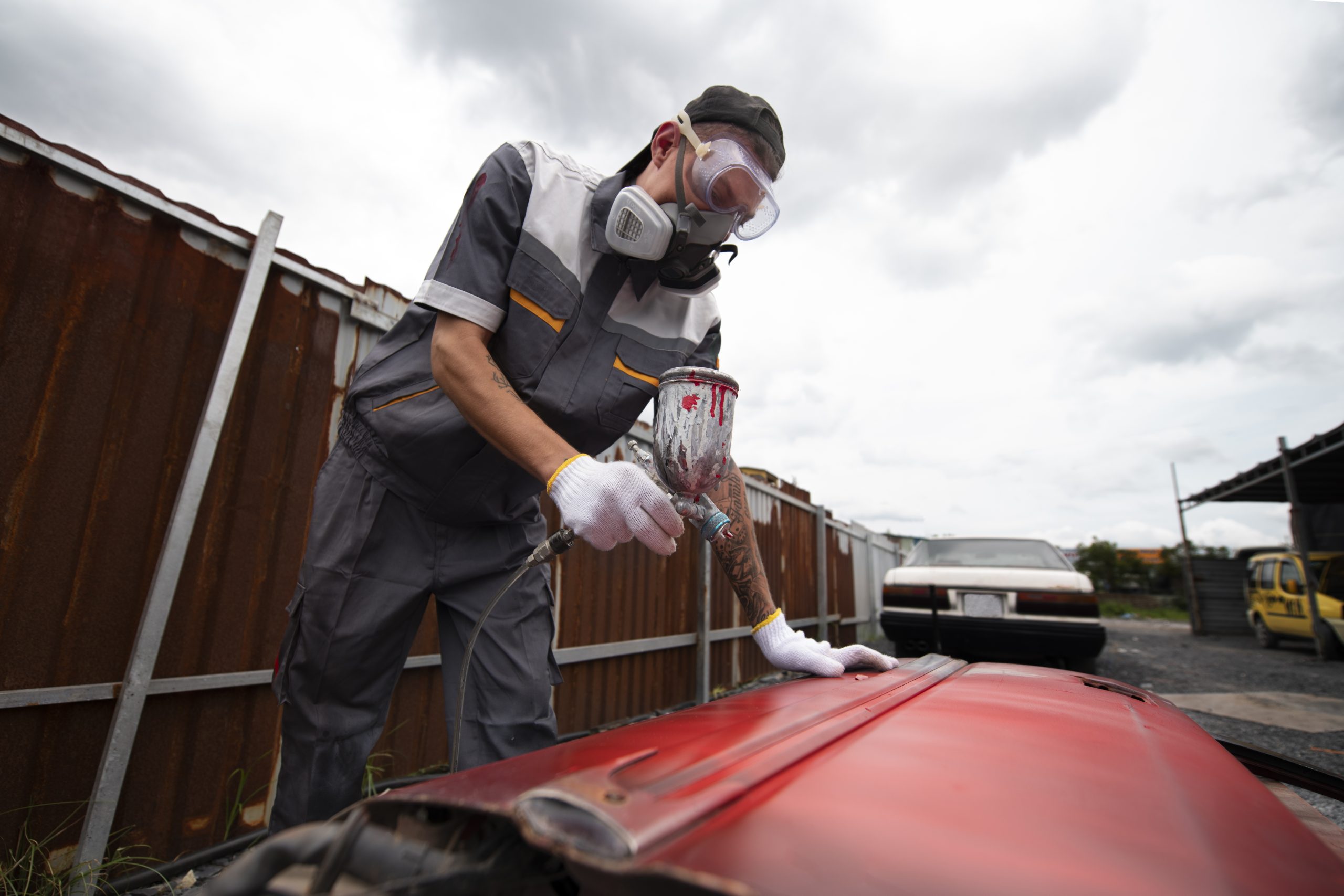
The Germany protective coatings market is experiencing steady growth, supported by infrastructure modernization, industrial maintenance, renewable energy expansion, and increasing demand for corrosion-resistant materials. Protective coatings provide resistance against corrosion, chemicals, abrasion, moisture, and extreme environmental conditions, extending the service life of industrial equipment and infrastructure. The market is projected to register a CAGR of more than 3% during 2025–2030. Growing investments in transportation infrastructure, energy facilities, manufacturing plants, and sustainable construction are strengthening demand for advanced coating technologies. Increasing emphasis on asset durability and environmental compliance is further supporting industry development.
Key Market Drivers of Germany Protective Coatings Market
Infrastructure Modernization Strengthens Protective Coatings Demand
Germany’s expanding infrastructure modernization programs are creating significant opportunities for protective coatings manufacturers. The government’s €500 billion infrastructure and climate-neutrality investment fund is expected to support improvements in transportation networks, bridges, railways, energy infrastructure, and public facilities over a 12-year period. Protective coatings play an important role in preventing corrosion, extending structural durability, and reducing maintenance requirements. Aging infrastructure and increasing emphasis on long-term asset protection are encouraging the adoption of high-performance coating systems. Demand for epoxy, polyurethane, and other corrosion-resistant formulations is strengthening across infrastructure rehabilitation and industrial construction projects.
Industrial Manufacturing and Asset Maintenance Support Market Growth
Germany’s established industrial manufacturing sector generates recurring demand for protective coatings across machinery, automotive components, chemical processing facilities, and industrial equipment. Coatings provide resistance against chemical exposure, mechanical wear, moisture, and harsh operating conditions. Increasing focus on equipment durability, maintenance efficiency, and operational reliability is encouraging industrial manufacturers to adopt advanced surface protection technologies. Germany’s broader industrial coatings market generated approximately USD 8.73 billion in revenue in 2024, highlighting the importance of industrial coating applications. Continued modernization of production facilities and maintenance of existing industrial assets should support demand for specialized protective formulations.
Renewable Energy Expansion Creates Additional Opportunities
Growing investment in renewable energy infrastructure is strengthening demand for durable protective coatings. Germany’s installed offshore wind capacity reached approximately 9.7 GW in 2025. Wind turbines, offshore platforms, structural steel components, and energy transmission equipment require corrosion-resistant coatings to withstand demanding environmental conditions. Increasing emphasis on coating durability, weather resistance, and extended maintenance intervals is supporting opportunities for specialized coating technologies.
Government Supporting Germany Protective Coatings Industry Development
Government infrastructure investments and environmental initiatives are creating favorable conditions for Germany’s protective coatings market. The €500 billion infrastructure and climate-neutrality investment program supports modernization across transportation, energy, and public infrastructure. Germany’s long-term climate-neutrality objectives are also encouraging the adoption of resource-efficient manufacturing processes and environmentally responsible coating formulations. European environmental regulations governing chemical safety and volatile organic compound emissions are strengthening demand for waterborne, powder-based, and low-emission coating technologies, supporting innovation and sustainable industry development.
Competitive Dynamics Across Germany Protective Coatings Industry
The Germany protective coatings market includes established chemical manufacturers, specialized coating producers, industrial surface-treatment providers, and regional distributors. Competition centers on corrosion resistance, coating durability, chemical protection, product performance, pricing, and regulatory compliance. Manufacturers offering epoxy, polyurethane, acrylic, and specialized protective formulations can differentiate through research and development, technical expertise, and application-specific solutions. Increasing investment in waterborne technologies, high-solids coatings, and environmentally responsible formulations is strengthening competition, while reliable distribution networks and technical support remain important competitive factors.
Challenges Influencing Germany Protective Coatings Industry
Raw Material Price Volatility and Manufacturing Costs
Protective coatings manufacturers face challenges related to fluctuating prices of resins, pigments, solvents, and specialty chemical additives. High energy expenses, raw material supply disruptions, and increasing production costs can affect profitability. Dependence on specialized chemical inputs also creates procurement and supply-chain uncertainties.
Environmental Regulations and Compliance Requirements
Stringent environmental regulations governing chemical substances, emissions, and industrial coating applications create additional compliance requirements. Manufacturers must invest in research, product reformulation, and testing to meet evolving sustainability standards. Transitioning toward low-emission and environmentally responsible coatings can increase development expenses and technical complexity.
Future Outlook
Germany’s protective coatings market is expected to maintain steady growth, supported by infrastructure rehabilitation, industrial asset protection, renewable energy expansion, and increasing demand for advanced surface technologies. Continued investments in transportation networks, offshore wind facilities, industrial equipment, and energy infrastructure should create additional opportunities for coating manufacturers. Growing adoption of waterborne formulations, high-performance epoxy systems, polyurethane coatings, and environmentally responsible technologies is likely to shape industry development. Suppliers offering durable, application-specific products, regulatory compliance, technical expertise, and sustainable coating solutions should remain well positioned to capitalize on emerging opportunities through 2035.
Consultants at Nexdigm, in their latest publication “Germany Protective Coatings Market Outlook to 2035,” analyze the sector By Target Industry Application (Automotive OEM And Refinishing, Infrastructure And Civil Engineering, Wind Energy And Power Generation, Aerospace And Defense Contracting, General Industrial Manufacturing), By Solvent And VOC Content (High-Solid Solvent-borne, Water-borne Systems, Powder Coating Technology, Radiation-Cured Coatings)
Nexdigm suggests that businesses in the Germany Protective Coatings Industry should invest in sustainable coating technologies, strengthen corrosion-resistant product portfolios, target infrastructure and renewable energy applications, improve raw material sourcing, and expand technical capabilities to enhance competitiveness and support long-term market growth.
To take the next step, simply visit our Request a Consultation page and share your requirements with us.
Harsh Mittal
+91-8422857704