
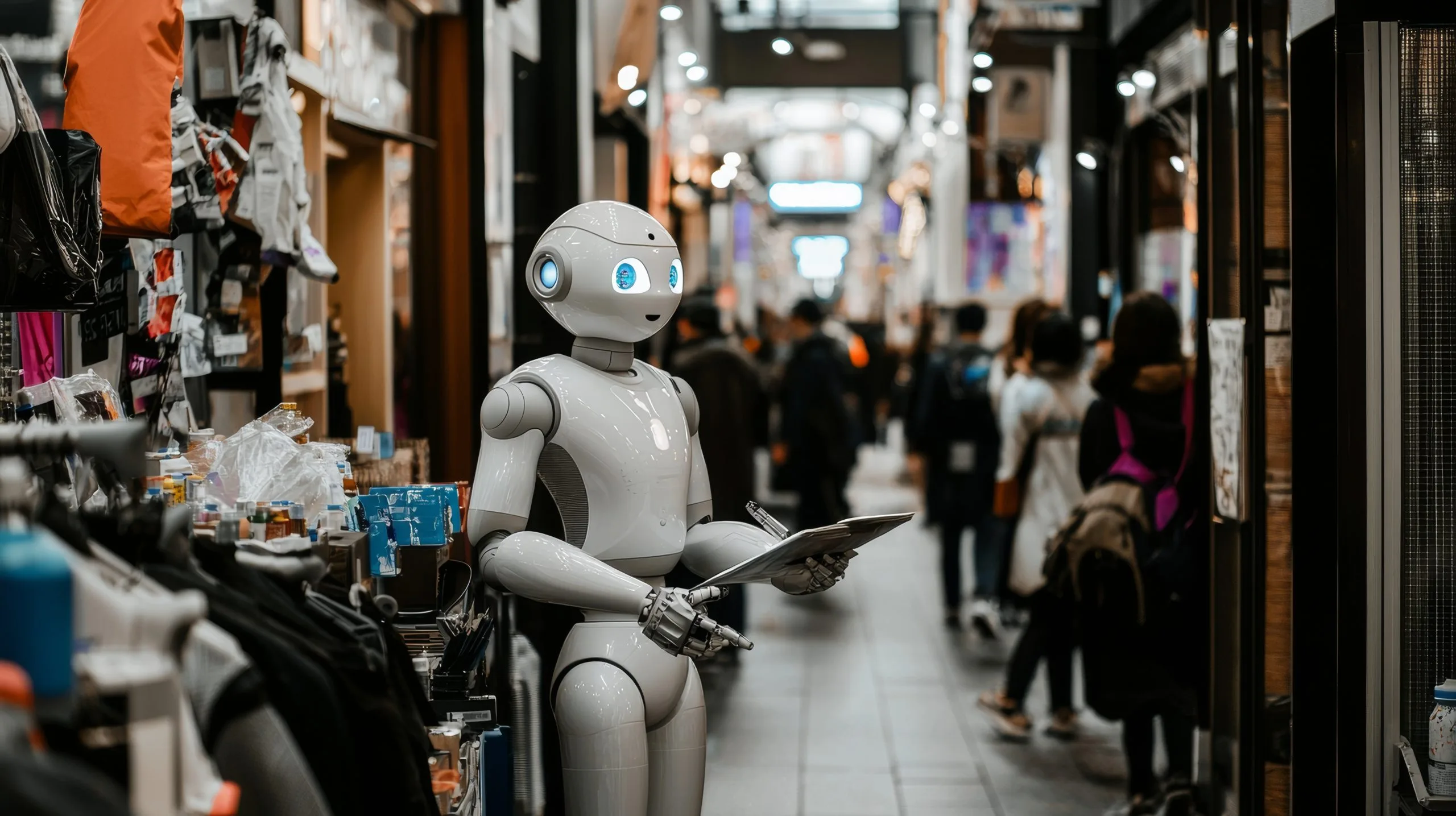
Germany’s robotics market is a driving force behind the country’s leadership in industrial automation, steadily expanding across a variety of sectors. As a critical hub for advanced manufacturing, Germany is seeing remarkable growth in robotics, particularly with its 27,000 robot installations in previous years alone, accounting for 40% of EU robot deployments. This market growth is not just about replacing human labor but enhancing manufacturing efficiency, precision, and flexibility in industries ranging from automotive to logistics. In the coming years, the widespread integration of AI, robotics, and IoT technologies will further reshape Germany’s manufacturing landscape, driving innovation and enabling smarter, more efficient production. As Germany looks to the future, the role of robotics in creating more sustainable and agile industries will be pivotal to its global competitiveness.
Key Drivers of Germany’s Robotics Market Growth
Industry 4.0 and Smart Manufacturing
Germany is a leader in Industry 4.0, the next evolution in industrial production. This concept revolves around smart factories where robots, sensors, and machines are interconnected, making real‑time data-driven decisions. German manufacturers, particularly in the automotive sector, are integrating robotics with data analytics and AI to optimize production lines. For example, automotive plants have deployed robots to improve speed and precision in welding and assembly, minimizing human error while maintaining high standards. These smart systems enhance efficiency, reduce waste, and ultimately increase productivity. As more companies embrace Industry 4.0, robotics is playing a crucial role in their digital transformation.
Labor Cost Pressures and Workforce Gaps
With high labor costs and an increasing gap in skilled workers, Germany is turning to robotics for a solution. As the demand for more specialized workers in sectors like manufacturing continues to grow, automation is helping businesses reduce dependency on manual labor and fill critical gaps in the workforce. Robotics not only replace repetitive tasks but also take on roles that are dangerous or ergonomically challenging. For instance, robots in pharmaceutical manufacturing handle hazardous chemicals or ensure high levels of precision, ensuring safer work environments and minimizing human errors.
Technological Convergence and Robotic Innovations
The combination of robotics, AI, and IoT is driving the next generation of automation solutions in Germany. Modern robots are becoming increasingly smart, capable of learning from their environment, and improving their performance over time. Collaborative robots (cobots), which work alongside human workers, are rapidly gaining popularity across industries like logistics and food processing, allowing for flexible and adaptive production lines. These robots improve workflows, reduce production time, and ensure high levels of customization in product manufacturing. As technology continues to evolve, Germany’s robotics sector will see even more integration of AI and IoT, creating truly autonomous and self-optimizing factories.
Government Policies Fueling Robotics Growth in Germany
The German government has been instrumental in fostering the growth of robotics through strategic policies and initiatives. Key national programs like Germany’s High-Tech Strategy promote the development and adoption of digital technologies, including robotics, across industries. Additionally, EU funding programs such as Horizon Europe provide financial support for R&D and innovation in robotics. These initiatives help businesses, especially SMEs adopt advanced automation solutions without incurring prohibitive upfront costs. Government funding, coupled with investments in training programs, ensures that Germany’s workforce remains prepared to integrate the latest technologies. This backing from both local and European authorities is essential in propelling Germany’s robotics market forward, securing its role as a global leader in industrial automation.
Key Players in Germany’s Robotics Market
Germany’s robotics market is led by a mix of local giants and global innovators. Siemens, KUKA, and ABB Robotics are key players, each contributing groundbreaking solutions in automation, from AI-powered industrial robots to cutting-edge robotic arms for precision tasks. Local firms like Festo and Bosch Rexroth are also deeply embedded in Germany’s manufacturing automation ecosystem, providing a range of customized robotics solutions. With robotics becoming increasingly specialized, small and medium enterprises (SMEs) are also emerging as significant players by offering niche solutions tailored to specific industries such as food production and pharmaceuticals. The presence of both large multinational firms and smaller innovative companies creates a dynamic market with a rich variety of robotic solutions for diverse industries.
Market Challenges affecting the Germany Robotics Industry
High Initial Costs and Complex Integration
While robotics offers clear long‑term benefits, the high upfront costs of robots, coupled with the complexity of integrating them into existing systems, remain in significant hurdles. Many smaller German manufacturers, especially in traditional industries, find it difficult to afford the initial investment required for automation. Additionally, integrating robotic systems into legacy production lines often requires significant modifications, which can be both time‑consuming and expensive.
Skills Shortage and Training Gaps
As robotics technologies evolve, there is a growing skills gap in the workforce. Companies often struggle to find qualified robotics engineers and technicians with the necessary expertise in automation systems. This shortage hampers the ability of businesses to scale automation efficiently. To address this, Germany is investing in education programs and technical training to upskill the workforce and meet the increasing demand for automation professionals. Closing this skills gap through effective training programs and partnerships with educational institutions is essential to maintaining the pace of innovation.
Future Outlook
The future of Germany’s robotics market looks incredibly promising. In the upcoming years, the sector is expected to continue its upward trajectory, reaching a projected value of USD 28 billion. Key areas of growth will include robotics in logistics, AI-driven automation, and autonomous systems for manufacturing. As Germany’s automotive, electronic, and pharmaceutical industries increasingly adopt robotics to optimize operations, the market will become more diverse and specialized. With continued investments in innovation, research, and workforce development, Germany will remain at the forefront of smart manufacturing, driving efficiency and sustainability across industries.
Consultants at Nexdigm, in their latest publication Germany Robotics Market Outlook to 2035, analyze the sector by Platform Type (Mobile Platform, Stationary Platform, Integrated Platform, Modular Platforms and Robotic arms), by Procurement Type (Direct Procurement, Government Tenders, Private sector Procurement, Online bidding Platforms, Third party distributors).
Nexdigm suggests that businesses in Germany must embrace digital transformation by adopting advanced automation technologies such as robotics, AI, and IoT to enhance efficiency and competitiveness. With the country’s push towards Industry 4.0, businesses should invest in smart manufacturing systems and data-driven solutions to optimize production processes.
To take the next step, simply visit our Request a Consultation page and share your requirements with us.
Harsh Mittal
+91-8422857704