
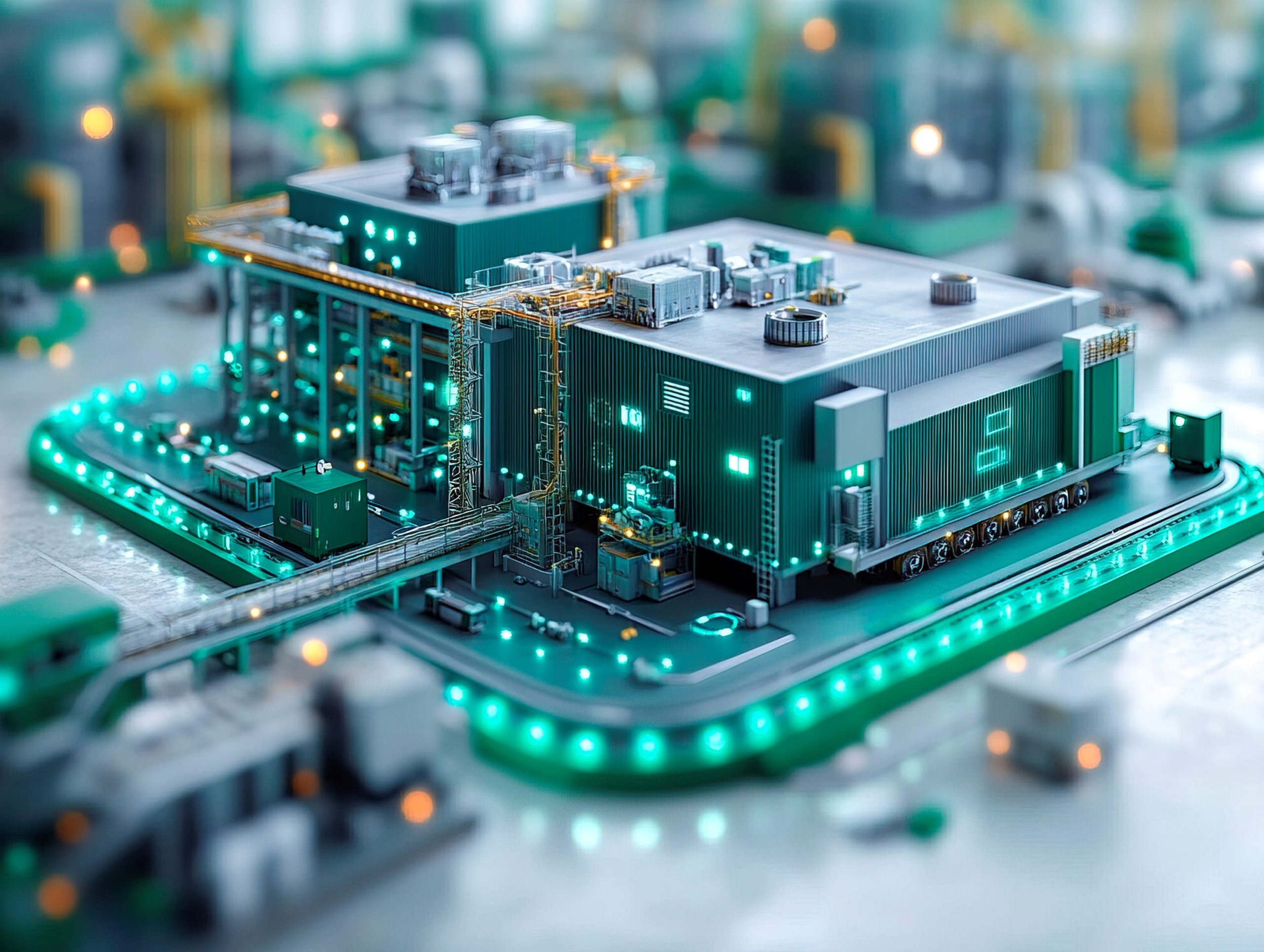
Germany’s semiconductor infrastructure market is entering a pivotal phase as Europe accelerates efforts to strengthen technological sovereignty and reduce reliance on Asian chip manufacturing hubs. As of 2025, Europe accounted for roughly 9–10% of global semiconductor production, significantly behind major manufacturing centers in Taiwan, South Korea, and the United States. Germany, as the largest economy in the European Union, is emerging as a critical hub for semiconductor fabrication, design, and equipment manufacturing. Major investments from global chipmakers, strong government subsidies, and the European Chips Act are transforming the country into a strategic node within the global semiconductor value chain. With rising demand from automotive electronics, industrial automation, and AI-driven applications, Germany is positioning itself to play a much larger role in global semiconductor manufacturing by 2035.
What’s Driving the Semiconductor Infrastructure Market in Germany?
Growing Demand from the Automotive and Industrial Sectors
Germany’s strong automotive industry is a major driver of semiconductor demand. With the rapid shift toward electric vehicles, autonomous driving technologies, and advanced driver-assistance systems (ADAS), the need for high-performance chips is rising significantly. German automakers are increasingly integrating advanced sensors, power semiconductors, and microcontrollers into vehicles to support electrification and digitalization. Additionally, the country’s leadership in industrial automation and Industry 4.0 technologies is fueling demand for semiconductors used in robotics, smart manufacturing systems, and connected industrial equipment.
Expansion of Fabrication Facilities and Advanced Manufacturing
Global semiconductor companies are investing heavily in Germany to expand fabrication capacity. Several large-scale wafer fabrication plants and packaging facilities are being planned or constructed across regions such as Saxony and Bavaria. Dresden, often referred to as “Silicon Saxony,” has become one of Europe’s most prominent semiconductor clusters, hosting leading chip manufacturers, suppliers, and research institutions. These investments are strengthening local supply chains and attracting additional ecosystem participants, including equipment manufacturers, material suppliers, and specialized engineering firms.
Rising Importance of AI, Cloud, and Data Infrastructure
The growth of artificial intelligence, cloud computing, and data center infrastructure is further accelerating semiconductor demand in Germany. Chips used in high-performance computing, edge processing, and machine learning applications are becoming critical for digital transformation across industries. As enterprises adopt AI-powered solutions, demand for advanced processors and specialized semiconductors is expected to increase, supporting long-term growth in semiconductor manufacturing infrastructure.
Government-Led Initiatives Accelerating Semiconductor Investments
The German government, in coordination with the European Union, has introduced major policy frameworks to boost semiconductor production capacity. The European Chips Act aims to double Europe’s share of global semiconductor manufacturing to around 20% by 2030. Germany has committed billions of euros in subsidies to attract large-scale chip manufacturing projects and support research and development initiatives. In addition, federal and regional governments are providing financial incentives, tax benefits, and infrastructure support to semiconductor companies establishing operations in the country. Public–private partnerships with universities and research institutions are also helping accelerate innovation in chip design, advanced packaging, and semiconductor materials.
Market Competition and Key Industry Participants
The Germany semiconductor infrastructure market features a mix of global chip manufacturers, equipment suppliers, and domestic technology firms. Major industry players include Intel Corporation, Infineon Technologies, GlobalFoundries, TSMC, and Robert Bosch GmbH. Infineon Technologies, headquartered in Germany, is a global leader in automotive and power semiconductors and continues to expand production capacity to support EV and renewable energy applications. Meanwhile, Intel has announced plans to establish a large semiconductor fabrication facility in Magdeburg, representing one of the largest technology investments in the country’s history. These developments are expected to significantly strengthen Germany’s semiconductor ecosystem.
High Capital Requirements and Long Project Timelines
One of the major challenges in Germany’s semiconductor infrastructure market is the extremely high capital investment and long development timelines required to establish fabrication facilities. Advanced semiconductor fabs often require investments exceeding €10–15 billion and several years to become fully operational. Additionally, semiconductor manufacturing depends on highly specialized equipment, skilled labor, and complex supply chains, which can slow project execution. Rising energy costs and strict environmental regulations in Germany further increase operational expenses, making it challenging for companies to maintain cost competitiveness with Asian semiconductor manufacturing hubs.
Future Outlook
Germany’s semiconductor infrastructure market is expected to experience strong expansion through 2035 as Europe accelerates efforts to secure strategic technological autonomy. Continued investments in fabrication plants, research facilities, and supply chain infrastructure are expected to transform Germany into one of Europe’s leading semiconductor production hubs. By 2035, the country is likely to host multiple advanced wafer fabrication plants, significantly strengthening Europe’s manufacturing capabilities in automotive chips, power semiconductors, and industrial electronics. The expansion of AI, electric mobility, and renewable energy technologies will further increase semiconductor demand across key sectors.
Consultants at Nexdigm, in their latest publication “Germany Semiconductor Infrastructure Market Outlook to 2035”, analyzed the market by Infrastructure Type (Wafer Fabrication Plants, Assembly & Packaging Facilities, Semiconductor Equipment Manufacturing, and R&D Centers), By End-Use Industry (Automotive, Consumer Electronics, Industrial Automation, Telecommunications, and Data Centers), and By Region (Saxony, Bavaria, Baden-Württemberg, and Rest of Germany). Nexdigm believes that businesses should prioritize partnerships across the semiconductor value chain, invest in advanced packaging and power semiconductor technologies, and leverage government incentives to capitalize on Germany’s rapidly evolving semiconductor ecosystem.
To take the next step, simply visit our Request a Consultation page and share your requirements with us.
Harsh Mittal
+91-8422857704