
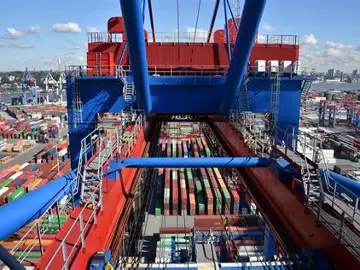
Germany’s Shore Power Systems Market is gaining significant momentum as the country accelerates maritime decarbonization, port modernization, and sustainable transportation initiatives. Shore power systems, also known as onshore power supply (OPS) or cold ironing, enable berthed vessels to connect directly to the local electricity grid and switch off onboard auxiliary diesel engines, reducing emissions, fuel consumption, and noise pollution. Germany’s major ports, including Hamburg, Bremerhaven, Wilhelmshaven, and Rostock, collectively handle more than 13 million TEUs of container traffic annually, making the country one of Europe’s largest maritime logistics hubs. Growing investments in green ports, renewable energy integration, and sustainable shipping infrastructure are expected to drive shore power deployment through 2035.
Key Market Drivers for Germany’s Shore Power Systems Market
Port Decarbonization and Green Shipping Initiatives Accelerate Adoption
Germany is at the forefront of Europe’s maritime decarbonization efforts, supported by the country’s climate neutrality target for 2045 and the European Union’s broader environmental regulations. Shore power systems help ports reduce emissions from berthed vessels, which can account for a considerable share of local air pollution. As shipping operators comply with increasingly stringent EU environmental requirements, demand for shore-side electrification infrastructure is growing across container, cargo, ferry, and cruise terminals.
Major Port Modernization Projects Create Strong Market Opportunities
The Port of Hamburg, one of Europe’s busiest ports, handles approximately 8 million TEUs annually, while Germany’s broader port network supports a substantial share of European trade. Ongoing investments in smart ports, digital logistics systems, and terminal modernization are increasing demand for advanced electrification technologies. Shore power systems are becoming a critical component of these modernization strategies as ports seek to improve efficiency and environmental performance.
Cruise and Container Vessel Electrification Drive Infrastructure Demand
Germany’s cruise terminals in Hamburg, Kiel, and Rostock are witnessing increasing passenger traffic, while the country’s container ports continue to handle growing international trade volumes. Cruise ships and large container vessels require significant electrical power while docked, making shore power systems an attractive solution for reducing fuel use and emissions. Growing demand for sustainable maritime transport is expected to support wider adoption across commercial and passenger terminals.
Government Initiatives Supporting Germany’s Shore Power Systems Market
The German government is actively accelerating shore power deployment through its National Ports Strategy, climate-neutral transport policies, and support for the implementation of the EU’s Alternative Fuels Infrastructure Regulation (AFIR). Germany has committed to achieving climate neutrality by 2045 and is investing billions of euros in sustainable transport and green port infrastructure. Several major ports, including Hamburg, Kiel, Rostock, and Lübeck, have already commissioned or expanded shore power facilities for container vessels, cruise ships, and ferries. Additionally, Germany’s ports handle more than 13 million TEUs annually, creating strong demand for port electrification technologies that support emissions reduction and compliance with increasingly stringent European maritime regulations.
Competitive Landscape of Germany’s Shore Power Systems Market
Germany’s Shore Power Systems Market is characterized by strong participation from port authorities, utilities, engineering firms, and maritime infrastructure developers focused on sustainable port operations. Competition is increasingly driven by the deployment of IEC/IEEE 80005-compliant shore connection systems, high-voltage power conversion equipment, smart energy-management platforms, and renewable-energy-integrated port infrastructure. The market benefits from Germany’s position as one of Europe’s largest logistics hubs, with the Port of Hamburg alone handling approximately 8 million TEUs annually and serving as a key gateway for international trade. Growing investments in smart ports, green shipping corridors, offshore wind logistics, and digital maritime infrastructure are encouraging stakeholders to develop scalable shore power solutions that improve energy efficiency, reduce vessel emissions, and strengthen Germany’s leadership in sustainable maritime transportation.
Major Challenges Facing Germany’s Shore Power Systems Market
High Infrastructure Deployment Costs
Installing shore power systems requires significant capital investment in substations, transformers, converters, high-voltage connection equipment, and grid upgrades. These costs can present challenges for smaller ports and terminal operators.
Vessel Compatibility and Grid Capacity Requirements
Effective deployment requires compatibility between vessel onboard electrical systems and port-side infrastructure. Ensuring sufficient grid capacity and harmonizing technical standards across international shipping fleets remain key challenges for broader market adoption.
Future Outlook
Germany’s Shore Power Systems Market is expected to witness strong growth through 2035, supported by annual port throughput exceeding 13 million TEUs, increasing implementation of EU maritime decarbonization regulations, and continued investment in sustainable logistics infrastructure. Major ports such as Hamburg, Bremerhaven, Wilhelmshaven, and Kiel are expected to expand shore power capabilities as shipping companies seek lower-emission operations. Additional growth opportunities are likely to emerge from green hydrogen port projects, smart port developments, and renewable-energy-powered maritime infrastructure. Companies investing in advanced power-conversion systems, smart energy-management platforms, and scalable shore-side electrification technologies will be well-positioned to benefit from Germany’s evolving maritime sustainability ecosystem.
Consultants at Nexdigm, in their latest publication “Germany Shore Power Systems Market to 2035,” analyse the sector By Connection and Power Technology (Crane-Mounted Cable Reels, Mobile Shore Power Carts and Automated Robotic Connection Arms), By Vessel Class (Cruise Liner Operations and Ro-Pax Ferry Servies) and By Port Location (Port of Hamburg, Port of Bremerhaven and Port of Rostock).
Nexdigm suggests that businesses in Germany’s Shore Power Systems Industry prioritize IEC/IEEE 80005-compliant shore connection technologies, advanced power-conversion systems, renewable-energy-integrated port electrification solutions, and smart energy-management platforms to capitalize on the country’s 13 million+ TEU cargo throughput, expanding green port initiatives, growing cruise and container vessel traffic, and increasing demand for sustainable maritime operations across commercial and passenger terminals.
To take the next step, simply visit our Request a Consultation page and share your requirements with us.
Harsh Mittal
+91-8422857704