
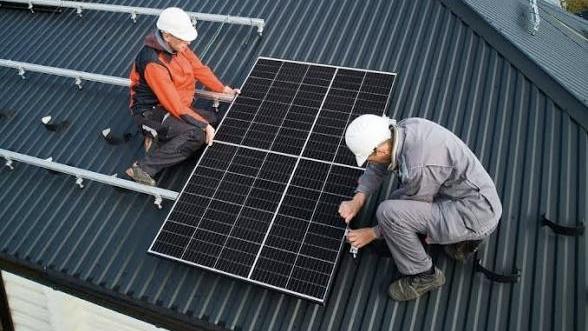
Germany continues to be one of Europe’s most influential solar energy markets, creating substantial opportunities for the solar cell metallization paste industry. Metallization paste, a critical material used to form conductive pathways in solar cells, plays an essential role in improving efficiency and performance. With Germany’s cumulative installed photovoltaic capacity exceeding 100 GW and solar contributing a growing share of national electricity generation, demand for advanced solar manufacturing materials continues to rise. As manufacturers focus on higher-efficiency cell technologies, the need for innovative metallization pastes is becoming increasingly important across the country’s renewable energy value chain.
Market Drivers Advancing the Germany’s Solar Cell Metallization Paste Industry
Rising Solar Capacity Additions Across Germany
Germany remains a leader in solar deployment across Europe. The country has surpassed 100 GW of installed solar PV capacity, reflecting strong adoption among residential, commercial, and utility-scale users. As more solar panels are installed, demand increases for high-performance solar cells, which directly boosts consumption of metallization pastes. The growing preference for high-efficiency photovoltaic modules is further driving innovation in conductive silver and aluminum pastes. Manufacturers are increasingly investing in technologies that improve cell conversion efficiency while lowering material consumption. This trend supports sustained growth for specialty paste suppliers serving the solar industry.
Transition Toward High-Efficiency Solar Cell Technologies
Germany’s solar sector is rapidly embracing advanced technologies such as TOPCon and heterojunction solar cells. These next-generation cell architectures require sophisticated metallization solutions capable of delivering improved electrical conductivity and reduced energy losses. As cell manufacturers seek greater performance from every panel, they are collaborating closely with material suppliers to develop fine-line printing technologies and low-silver paste formulations. Such innovations not only enhance efficiency but also help reduce production costs, making solar power more competitive.
Strong Sustainability and Energy Independence Goals
Germany’s commitment to energy security and carbon reduction has accelerated renewable energy investments throughout the country. Businesses, households, and utilities continue expanding solar installations to reduce dependence on conventional energy sources. The resulting increase in photovoltaic manufacturing activity creates consistent demand for metallization materials. Additionally, growing interest in domestic solar supply chains is encouraging investments in local manufacturing capabilities, benefiting suppliers of critical solar production materials.
Germany Initiatives Supporting the Germany Solar Cell Metallization Paste Industry
Germany’s renewable energy strategy strongly supports solar expansion through favorable regulations, grid integration measures, and investment incentives. The Renewable Energy Sources Act continues to facilitate solar project development and encourage clean energy adoption. Furthermore, European initiatives aimed at strengthening regional solar manufacturing are helping attract investments across the photovoltaic value chain. These supportive policies are expected to stimulate demand for metallization pastes as solar production capacity expands and technology upgrades accelerate.
Competitive Landscape of Germany’s Solar Cell Metallization Paste Industry
The Germany solar cell metallization paste market features a mix of global material science companies and specialized photovoltaic material suppliers. Industry participants focus on developing high-conductivity silver pastes, low-silver formulations, and products optimized for TOPCon and heterojunction cells. Strategic partnerships between paste manufacturers, research institutes, and solar cell producers are becoming increasingly common. Continuous innovation, product performance, and cost optimization remain the primary competitive differentiators within the market.
Challenges Facing Germany’s Solar Cell Metallization Paste Industry
Volatility in Silver Prices
Silver remains a primary raw material used in solar metallization pastes. Fluctuating silver prices can significantly impact production costs and profit margins for manufacturers. Many companies are therefore investing in silver-thrifting technologies and alternative conductive materials to reduce exposure to commodity price volatility.
Global Supply Chain Competition
Although demand remains strong, European suppliers face intense competition from global manufacturers, particularly from countries with large-scale solar production ecosystems. Maintaining technological leadership while managing costs continues to be a key challenge for market participants seeking long-term growth.
Future Outlook
The future of Germany’s solar cell metallization paste market appears highly promising as the country accelerates renewable energy deployment and solar manufacturing investments. Growing adoption of TOPCon, heterojunction, and future high-efficiency cell technologies will require increasingly advanced metallization solutions. Innovation focused on reducing silver content, enhancing conductivity, and improving manufacturing efficiency is expected to define the next phase of market development. With Germany maintaining its commitment to clean energy expansion and energy independence, demand for high-performance solar cell metallization pastes is likely to remain strong across the coming years.
Consultants at Nexdigm, in their latest publication “Germany Solar Cell Metallization Paste Market” analyze the sector By Cell Technology Type (Front-Side Silver Paste, Rear-Side Aluminum Paste and Low-Temperature Curing Variants), By Manufacturer Tier (Global Integrated Suppliers and Regional German Specialty Firms) and By Material Composition (Pure Silver Metallization and Silver-Aluminum Blends).
Nexdigm suggests that businesses in “Germany Solar Cell Metallization Paste Industry” focusses on oilfield, desalination, construction, and industrial applications, strengthen local warehousing, develop application-specific grades, improve technical support, and build resilient sourcing networks to serve expanding energy, water, and manufacturing demand.
To take the next step, simply visit our Request a Consultation page and share your requirements with us.
Harsh Mittal
+91-8422857704