
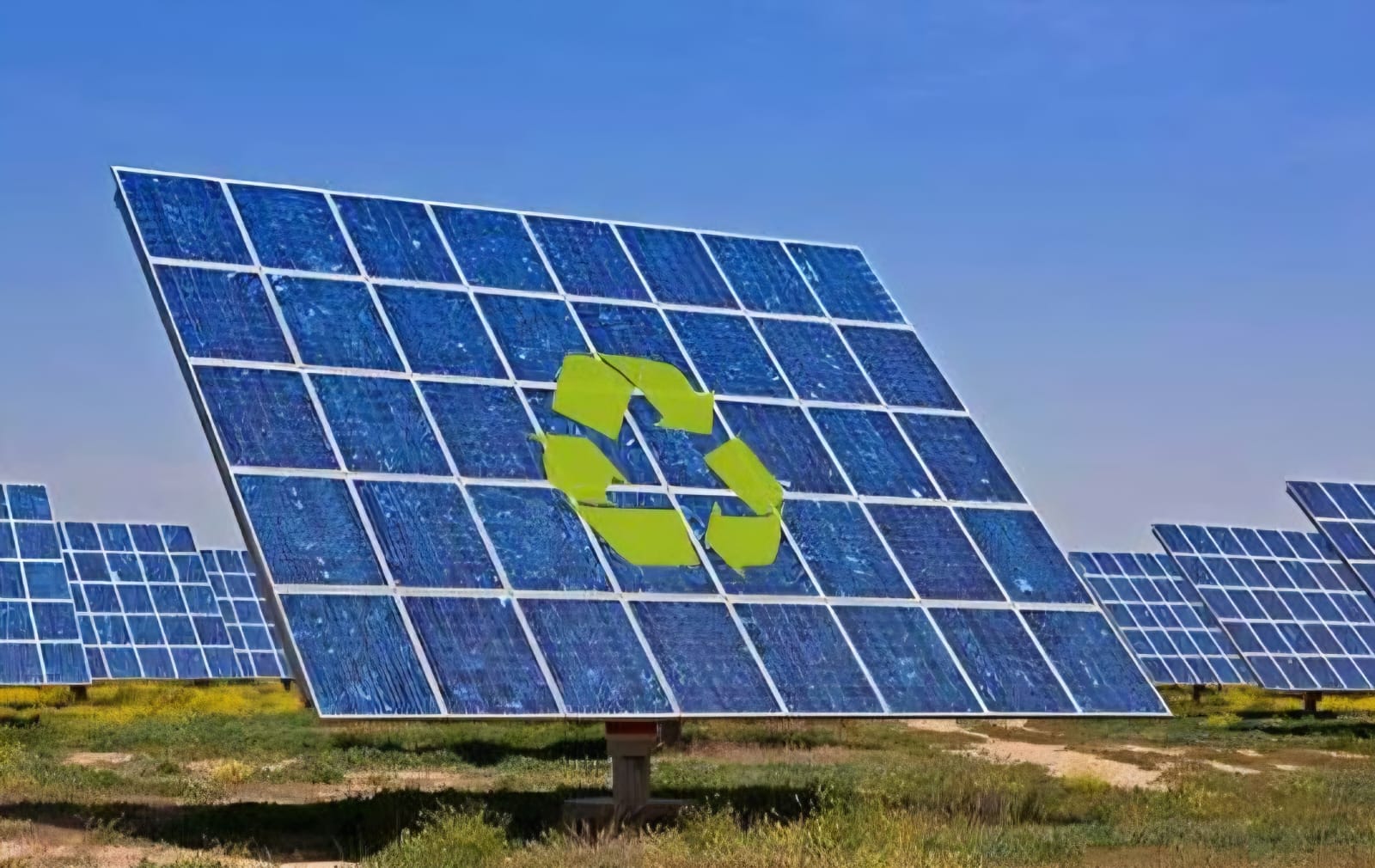
Germany’s renewable energy success story has made solar power a major part of the country’s energy mix. With more than 100 GW of installed solar photovoltaic capacity, Germany is now facing a new sustainability opportunity: managing end-of-life solar panels responsibly. As thousands of PV modules gradually complete their operational lifespan, recycling is becoming an essential component of the solar value chain. The Germany solar panel recycling market is expanding as businesses, policymakers, and consumers recognize the importance of recovering valuable materials while minimizing environmental impact. This shift is creating new opportunities for innovation, investment, and circular economy practices across the renewable energy sector.
Market Drivers Advancing the Germany Solar Panel Recycling Industry
Growing Volumes of Retired Solar Panels Across Germany
Germany was among the earliest adopters of solar energy in Europe, leading to a large installed base of photovoltaic systems. Many panels installed during the country’s initial solar boom are gradually approaching the end of their 25–30-year lifespan. As a result, increasing quantities of discarded solar modules are entering waste management channels. This trend is creating strong demand for specialized recycling facilities capable of processing and recovering valuable materials such as glass, aluminum, copper, silicon, and silver. Industry experts expect solar waste volumes to rise significantly over the coming years, making recycling an increasingly critical industry.
Germany’s Strong Commitment to Circular Economy Practices
Sustainability remains deeply integrated into Germany’s industrial and environmental policies. Rather than treating decommissioned solar panels as waste, stakeholders increasingly view them as valuable sources of reusable raw materials. Modern recycling technologies can recover more than 90% of a panel’s total weight, helping reduce reliance on virgin materials and lowering the environmental footprint of manufacturing. For companies operating in the renewable energy ecosystem, effective recycling is becoming both an environmental responsibility and a commercial opportunity.
Continued Expansion of Germany’s Solar Energy Sector
Germany continues to invest heavily in solar energy as part of its long-term energy transition strategy. New residential rooftop systems, commercial installations, and utility-scale solar farms are being added across the country. While these projects strengthen clean energy generation today, they also create future demand for recycling services. This expanding solar base is encouraging recyclers, technology providers, and waste management companies to scale operations and develop more efficient material recovery solutions.
Government Initiatives Supporting the Germany Solar Panel Recycling Industry
Germany benefits from a robust regulatory framework that promotes responsible photovoltaic waste management. Under the European Union’s WEEE regulations, solar panel manufacturers and importers are responsible for collecting and recycling end-of-life modules. The country also supports circular economy initiatives and research programs focused on improving material recovery efficiencies. These policies help ensure that solar growth is paired with sustainable waste management solutions, supporting long-term industry development.
Competitive Landscape of the Germany Solar Panel Recycling Sector
The Germany solar panel recycling market includes specialized recyclers, waste management firms, and technology innovators. Companies such as PV CYCLE, Veolia, REMONDIS, and Reiling Group have established positions within the ecosystem. Market participants are focusing on expanding processing capacity, enhancing recovery rates, and developing advanced technologies for extracting high-value materials. Strategic partnerships between recyclers and solar industry stakeholders are also becoming increasingly important as recycling volumes continue to grow.
Challenges Impacting Germany Solar Panel Recycling Industry
High Costs of Advanced Recycling Processes
Although recycling offers environmental and resource benefits, processing solar panels remains relatively expensive. Sophisticated separation technologies, transportation logistics, and material recovery systems require substantial investment, creating cost pressures for recycling operators.
Complex Material Recovery Requirements
Solar panels contain multiple layers of bonded materials that can be difficult to separate efficiently. Recovering valuable elements such as silicon, silver, and copper at scale continues to present technical challenges. Continuous technological innovation will be essential to improve operational efficiency and profitability.
Future Outlook
The future of Germany’s solar panel recycling industry looks increasingly promising as sustainability becomes a central priority across the renewable energy sector. Growing solar installations, rising volumes of end-of-life modules, and supportive government regulations will continue to create favorable market conditions. Advances in recycling technologies are expected to improve recovery rates and reduce processing costs, making recycling more commercially attractive. As Germany pursues its circular economy and climate objectives, the solar panel recycling market is well-positioned to become a vital pillar of the country’s clean energy ecosystem.
Consultants at Nexdigm, in their latest publication “Germany Solar Panel Recycling Market Outlook to 2035”, analyze the sector By Panel Technology Type (N-type TOPCon Modules, Bifacial Solar Panels and Monocrystalline PERC Cells), By Application (Residential Rooftop Systems, Utility-Scale Solar Parks and Floating Solar Installations) and By Recovery Process Method (Mechanical Shredding, Thermal Delamination and Chemical Leaching).
Nexdigm suggests that businesses in “Germany Solar Panel Recycling Industry” focusses on oilfield, desalination, construction, and industrial applications, strengthen local warehousing, develop application-specific grades, improve technical support, and build resilient sourcing networks to serve expanding energy, water, and manufacturing demand.
To take the next step, simply visit our Request a Consultation page and share your requirements with us.
Harsh Mittal
+91-8422857704