
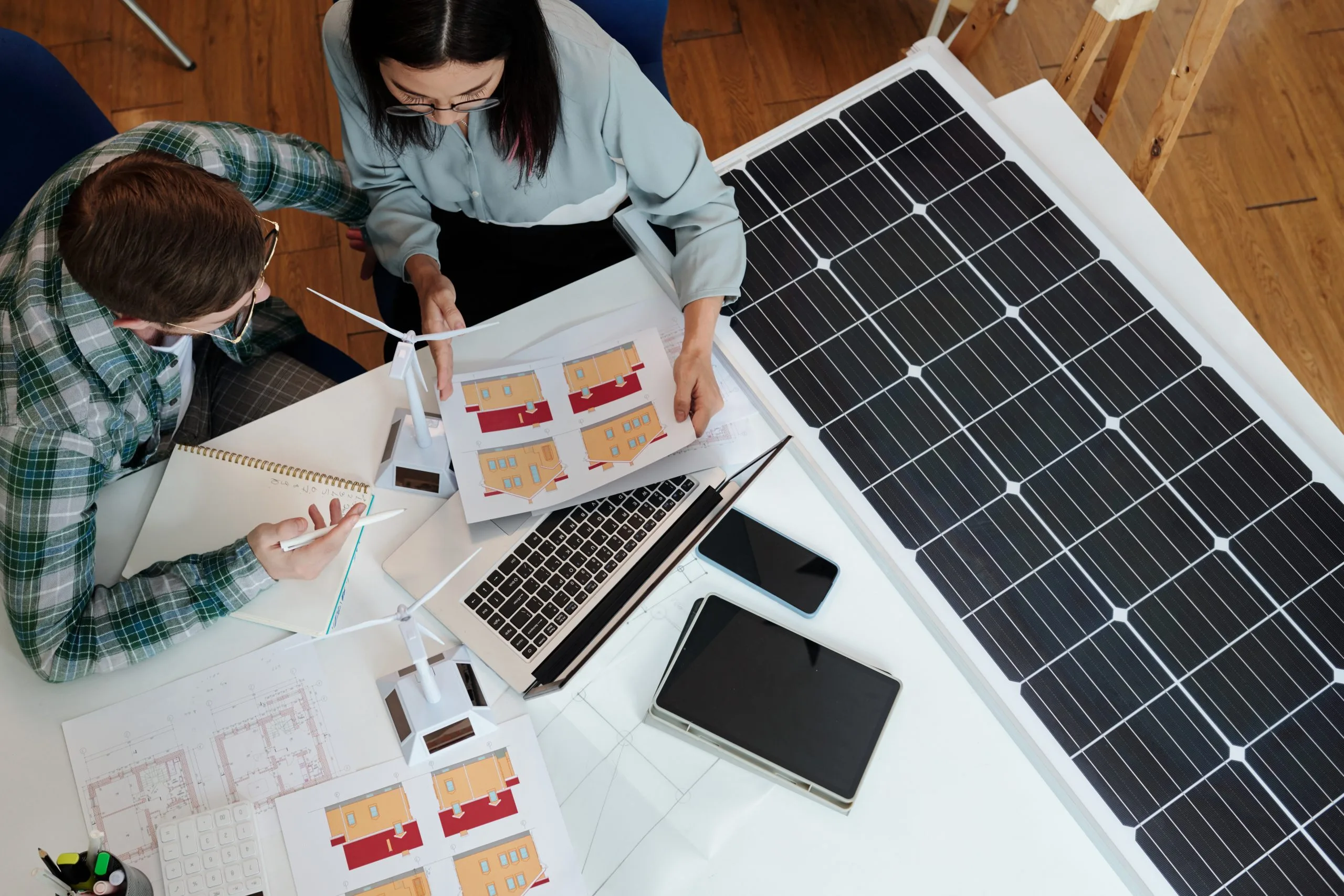
Germany’s solar photovoltaic (PV) market has long been a global leader in renewable energy, with over 55 GW of installed capacity as of previous years. The country’s commitment to sustainable energy is reflected in its ambitious targets, aiming to reach 100 GW of solar power in the coming years. Germany’s energy transition, known as the “Energiewende,” has been key to its solar success, providing the foundation for clean energy adoption. With technological advances, supportive policies, and growing public interest, the future of solar in Germany looks bright. As the country continues to shift away from fossil fuels, solar PV will play an essential role in meeting renewable energy goals and driving economic growth.
Key Market Drivers of Germany’s Solar PV Growth
Supportive Government Policies and Long-Term Goals
Germany’s government has been instrumental in driving the growth of the solar PV market. Through policies such as the Renewable Energy Sources Act (EEG) and its commitment to 80% renewable electricity in the coming years, the country has created a stable and favorable environment for solar development. Additionally, the country is working toward reaching 100 GW of solar capacity, with the “Energiewende” continuing to push for deeper integration of renewables into the grid. Government initiatives, including subsidies for residential solar installations and financial support for solar technology manufacturers, make it easier for businesses and homeowners to invest in solar energy. These policies, coupled with Germany’s ambitious renewable targets, will fuel continued growth in the solar sector.
Technological Advancements and Falling Costs
Innovation in solar technology has significantly lowered costs over the past decade. The price of solar panels has dropped by over 80%, making solar energy more accessible for both residential and large-scale projects. Moreover, the development of high-efficiency solar panels and storage solutions has made it easier to integrate solar into the grid, even in areas with intermittent sunlight. As efficiency increases, solar becomes a more reliable energy source, reducing dependence on fossil fuels and enhancing grid resilience. These technological advancements not only drive down costs but also increase the overall energy production of solar systems, accelerating the country’s transition to clean energy. The solar market in Germany will continue to benefit from ongoing innovation, with further breakthroughs in solar materials and energy storage.
Consumer Demand for Clean and Affordable Energy
Consumers in Germany are increasingly aware of the need for clean energy, and this shift in mindset is fueling the growth of the solar PV market. Rising energy costs and growing environmental consciousness are prompting more homeowners and businesses to seek renewable alternatives. By 2023, over 3 million solar systems had been installed across the country, showing widespread public support for solar energy. With financial incentives such as tax rebates and subsidies, the barrier to entry for residential solar installations is lower than ever. As more consumers embrace solar technology, the demand for clean energy continues to grow, making solar PV an attractive choice for Germany’s energy future. The demand for solar energy is set to increase even further as Germany pushes towards its ambitious renewable energy goals.
Government Initiatives to boost Germany’s Solar PV Market
Germany’s government has played a pivotal role in the success of its solar PV market. Through policies like the Renewable Energy Sources Act (EEG), which guarantees fixed payments for solar-generated electricity, Germany offers both financial stability and long-term support for solar projects. The government’s renewable energy target of achieving 80% clean power in the coming years, along with specific goals for solar PV, further boosts investor confidence. Incentives such as subsidies for residential solar systems, along with tax breaks for manufacturers, encourage the development of solar infrastructure across the country. These supportive measures have created a thriving solar market, attracting both local and international investment and making Germany a key player in the global renewable energy transition.
Competitive Landscape of Germany’s Solar Growth
Germany’s solar PV market is highly competitive, with a mix of established industry leaders and emerging players driving growth. Prominent domestic companies like SMA Solar Technology and Q CELLS have been at the forefront of innovation, providing solar inverters and efficient solar modules to the residential, commercial, and industrial sectors. Meanwhile, international firms such as First Solar and Canadian Solar are also contributing significantly to the market. With the rise of energy storage and large-scale projects, companies that integrate solar and storage solutions will play an essential role in the country’s transition to renewable energy. The competition in the market encourages continuous improvements in solar technology, making clean energy more affordable and reliable for consumers.
Market Challenges faced in Germany’ Solar PV Market
Grid Integration and Infrastructure Challenges
One of the most pressing challenges facing Germany’s solar PV market is the need for grid modernization. As the share of solar energy in the country’s electricity generation increases, integrating this intermittent energy source into the grid becomes more complex. The current grid infrastructure was designed for centralized energy production and is struggling to accommodate distributed, renewable sources like solar. Upgrading the transmission and distribution networks will be crucial to ensuring that solar power generated in rural and remote areas can be efficiently transmitted to urban centers. Addressing these grid integration challenges will require significant investment in infrastructure to ensure the smooth flow of renewable energy across the country.
Financing Barriers for Large-Scale Projects
Although Germany has made great strides in supporting residential and commercial solar adoption, large-scale solar projects still face financial hurdles. Despite government incentives, the upfront capital required for utility-scale solar farms can be a barrier, especially for smaller developers or those seeking to expand into new regions. To address this challenge, Germany’s government will need to provide additional financing support and facilitate access to low-interest loans for large-scale solar projects. Ensuring sufficient financing options for these projects will help accelerate the deployment of solar power and allow Germany to meet its 100 GW solar target in the coming decade.
Future Outlook
The future of Germany’s solar PV market is incredibly promising, with the country set to reach 100 GW of solar capacity in the upcoming years. This growth will be driven by continued technological advancements, falling solar costs, and strong consumer demand for clean, affordable energy. The integration of solar with energy storage solutions will help mitigate issues with intermittency, making solar a more reliable and integral part of Germany’s energy mix. As the country works to meet its renewable energy goals and reduce its reliance on fossil fuels, solar PV will be central to achieving a sustainable, low-carbon future. Germany is well-positioned to remain a global leader in renewable energy, with solar PV continuing to play a vital role in the country’s energy transition.
Consultants at Nexdigm, in their latest publication Germany Solar PV Market Outlook to 2035, analyze the sector by End User Segment (Residential Customers, Commercial Businesses, Industrial Facilities, Utilities, Government Entities), by Procurement Channel (Direct Procurement, Government Tenders, Private Sector Procurement, Online Procurement Platforms, Third party Distributors).
Nexdigm suggests that businesses in Germany should strategically assess market opportunities, align investments with evolving policy goals, and adopt scalable clean energy solutions to stay competitive. Companies should focus on partnerships, cost optimization, technology integration, and long-term planning to navigate market challenges while capturing growth opportunities in the renewable energy sector.
To take the next step, simply visit our Request a Consultation page and share your requirements with us.
Harsh Mittal
+91-8422857704