
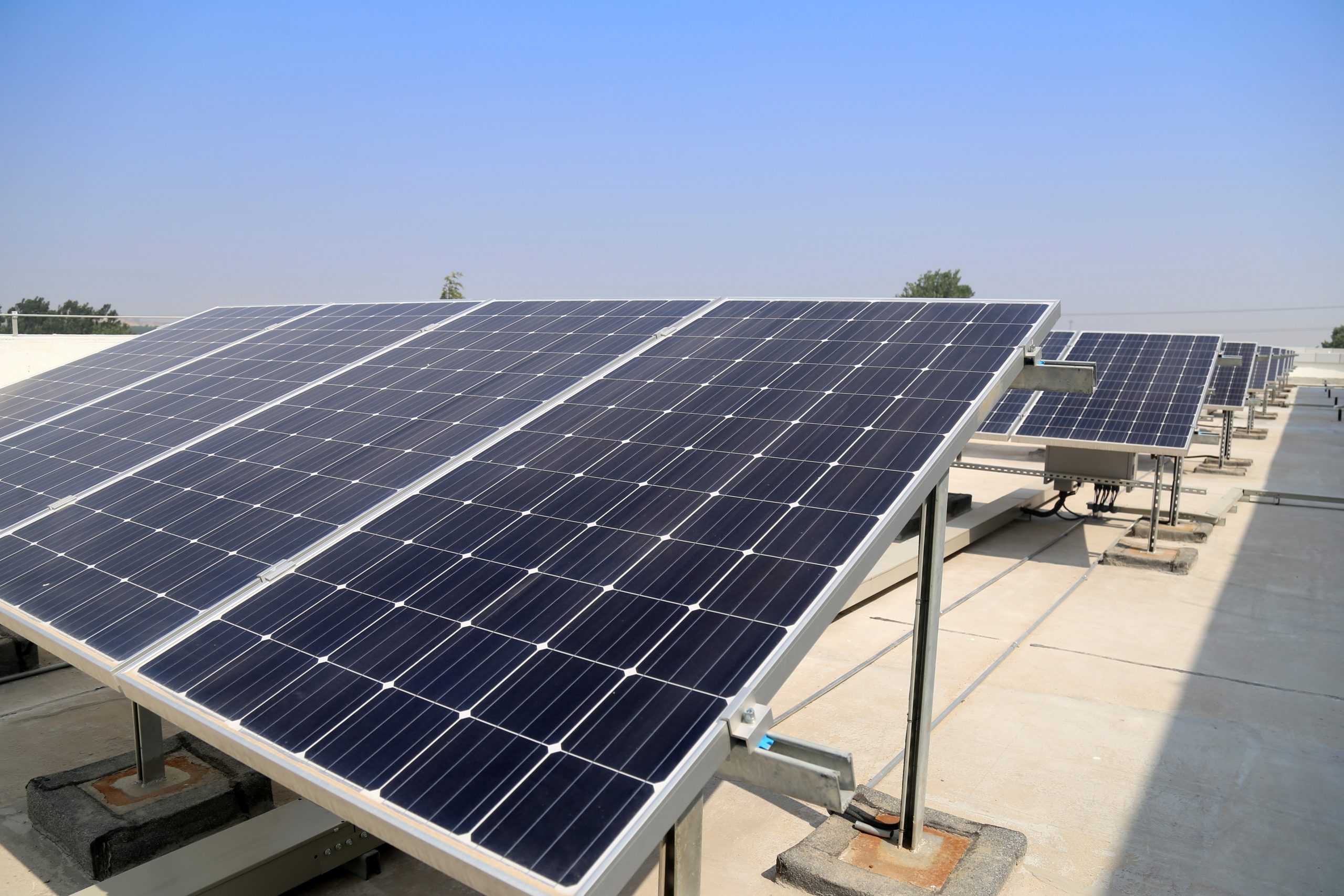
Germany’s solar thermal systems market is evolving as households, businesses, and industrial operators look for more sustainable and cost-efficient heating solutions. Solar thermal technology uses sunlight to generate heat for domestic hot water, space heating, industrial processes, and district heating networks. According to Germany’s Federal Ministry for Economic Affairs and Energy, the country recorded approximately 15.3 GW of installed solar thermal capacity and 9.2 TWh of solar heat consumption in 2025. The market is gradually shifting towards larger installations and industrial applications, creating opportunities for technology providers through 2035.
Key Market Drivers Supporting the Growth of Germany’s Solar Thermal Systems Market
Rising Demand for Renewable Heating and Building Decarbonisation
Germany’s transition towards cleaner heating solutions is supporting demand for solar thermal systems across residential and commercial buildings. Homeowners and property developers are increasingly exploring renewable heating technologies to reduce fossil fuel consumption and improve building energy performance. Solar thermal collectors can provide domestic hot water and supplementary space heating, particularly when integrated with heat pumps or conventional heating systems. Germany had approximately 2.55 million solar thermal systems in operation at the end of 2025, demonstrating the technology’s established presence in the building sector.
Expansion of Solar District Heating and Large-Scale Projects
The growing integration of solar thermal technology into district heating networks is creating opportunities beyond individual buildings. Municipalities are exploring large collector fields combined with thermal storage to supply renewable heat to residential neighbourhoods and commercial facilities. Germany had 61 solar district heating systems in operation and 16 additional projects in planning or construction as of March 2025.
Increasing Industrial Demand for Cost-Efficient Process Heat
Industrial facilities in sectors such as food processing, chemicals, textiles, and manufacturing require substantial quantities of heat for daily operations. Solar thermal systems can support low- and medium-temperature process heating, helping businesses reduce exposure to fossil fuel price fluctuations and lower operational emissions. Research by Fraunhofer ISE indicates that solar thermal process heat can achieve production costs below 3 euro cents per kWh under suitable conditions when supported by funding.
Government Support and Renewable Energy Initiatives Strengthening the Market
Germany is encouraging solar thermal adoption through the Federal Funding for Efficient Buildings (BEG) programme, which provides a 30% basic subsidy for eligible solar thermal heating installations, subject to programme conditions. Additionally, the Building Energy Act and the Municipal Heat Planning Act are supporting the transition towards cleaner heating systems. These initiatives, alongside funding for district heating infrastructure, are creating opportunities for residential, commercial, and industrial solar thermal applications.
Competitive Landscape of Germany’s Solar Thermal Systems Market
Germany’s solar thermal market includes established heating technology manufacturers, specialist collector producers, and system integrators. Key participants include Viessmann, Bosch, Vaillant, Ritter Energie, and Wagner Solar. Competition increasingly focuses on collector efficiency, integrated heating solutions, thermal storage, and customised industrial applications.
Market Challenges Affecting Germany’s Solar Thermal Systems Industry
High Initial Investment and Competition from Alternative Technologies
Solar thermal installations require upfront spending on collectors, storage tanks, heat exchangers, and system integration. Competition from heat pumps and increasingly affordable solar PV systems can also influence purchasing decisions, particularly in residential applications.
Policy Uncertainty and Slower Residential Adoption
Changes in heating regulations, subsidy conditions, and consumer incentives can affect investment confidence. Germany installed fewer than 20,000 new solar thermal systems in 2025, highlighting the challenges facing the residential segment.
Future Outlook
Germany’s solar thermal systems market is expected to evolve through 2035, with industrial process heating and large-scale district heating emerging as important growth opportunities. Although residential installations may face competition from heat pumps, solar thermal technology will continue to offer value in applications requiring direct renewable heat. The country’s existing 15.3 GW installed capacity and 9.2 TWh of solar heat generation in 2025 provide a substantial foundation for further development.
Consultants at Nexdigm, in their latest publication “Germany’s solar thermal systems market outlook to 2035” analyze the sector By System Technology (Selective Coated Copper Absorbers, Black Chrome Coated Aluminum, Tempered Low-Iron Glass Glazing), By Controlled Configuration (Thermosiphon Systems, Forced Circulation Systems)
Nexdigm suggests that businesses should capitalise on Germany’s renewable heating transition by investing in industrial solar thermal solutions, advanced thermal storage, and integrated heating technologies to capture emerging opportunities across residential, commercial, and district heating applications.
To take the next step, simply visit our Request a Consutation page and share your requirements with us.
Harsh Mittal
+91-8422857704
[email protected]