
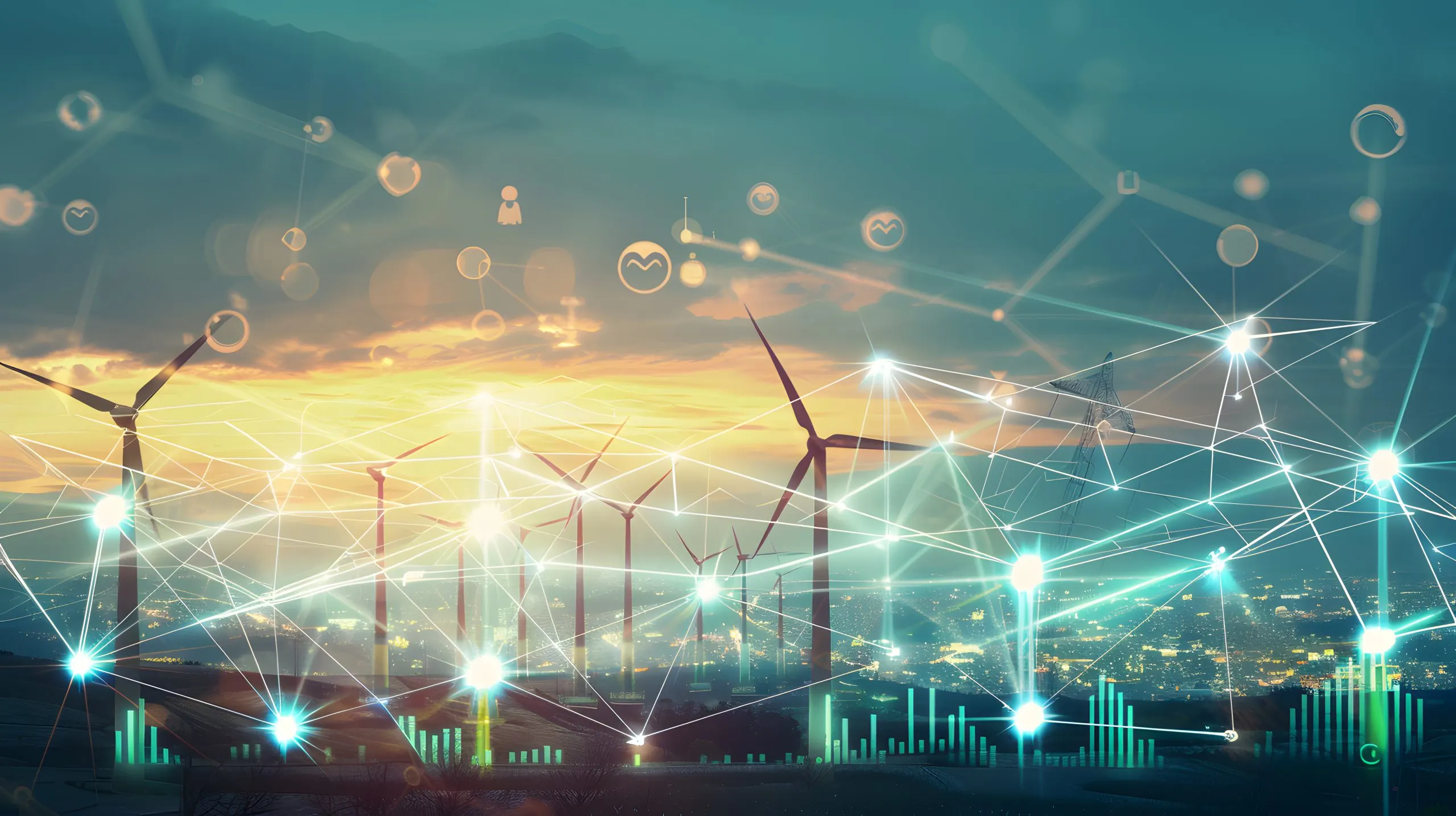
Germany has long been a leader in renewable energy, and wind power is set to play a pivotal role in the country’s sustainable energy future. As of last year, Germany boasts over 50 GW of installed wind energy capacity, with plans to increase this to 80 GW and potentially 100 GW in the coming years. This growth reflects Germany’s dedication to its Energiewende (energy transition), which prioritizes the shift away from fossil fuels toward clean, renewable energy sources. With supportive policies, technological advancements, and public backing, wind energy will continue to drive Germany’s journey toward carbon neutrality as we move ahead towards the future.
Key Drivers of Growth in Germany’s Wind Energy Market
Strong Government Support and Renewable Targets
Germany’s wind energy market is heavily influenced by strong government policies aimed at achieving its ambitious renewable energy goals. The country has set a target of 80% of electricity coming from renewable sources in the coming years, with wind playing a major role in this transition. As part of the Energiewende, the German government aims to expand onshore wind capacity to 50 GW and offshore wind capacity to 25 GW in future. These policies create a stable environment for long-term investments in wind projects, attracting both domestic and international players. Financial incentives, subsidies, and the continued support of the Renewable Energy Sources Act (EEG) ensure that developers can count on guaranteed payments, reducing the risks associated with wind farm investments.
Technological Advancements and Cost Reduction
Technology is rapidly transforming the wind energy sector, and Germany stands at the forefront of this innovation. The cost of wind energy has dropped significantly in the past decade, making it increasingly competitive with traditional energy sources. Advances in turbine efficiency, particularly larger offshore wind turbines, are allowing for higher energy yields in less windy areas. Over the last five years, the cost of offshore wind energy has decreased by almost 50%. As turbines continue to improve in size and efficiency, the potential for wind power to contribute to Germany’s clean energy future grows exponentially. Energy storage technologies also play a crucial role in overcoming intermittency challenges, ensuring wind energy can be reliably stored and integrated into the grid.
Public Support and Growing Awareness of Climate Change
Public support for renewable energy is at an all-time high in Germany, driven by growing concerns about climate change and the environmental impact of fossil fuels. As a result, the demand for renewable energy, particularly wind power, continues to increase. Germans have embraced wind energy not only for its environmental benefits but also for its potential to create jobs and stimulate local economies. In rural areas, where most wind farms are located, wind energy has become an important economic driver. The combination of environmental awareness and government backing has made wind energy one of the most popular and supported sources of clean power in the country.
Government Policies Fueling the Wind Energy Surge in Germany
Germany’s government has been a key catalyst in driving the expansion of the wind energy sector. Policies like the Renewable Energy Sources Act (EEG) guarantee fixed payments for wind energy producers, providing a secure financial foundation for long-term investments in wind projects. These measures have been instrumental in building investor confidence and stimulating the development of both onshore and offshore wind farms. Furthermore, Germany’s ambitious renewable energy targets, which include reaching 80% renewable electricity by 2030, ensure that wind energy will be an essential part of the country’s future energy mix. Along with financial incentives and subsidies, these policies aim to make Germany a global leader in clean, wind-powered electricity.
Competitive Insights of Germany’s Wind Energy Sector
Germany’s wind energy market features a diverse range of key players, from turbine manufacturers to developers of large-scale wind farms. Domestic giants like Siemens Gamesa, Nordex, and Enercon dominate the manufacturing of turbines and wind equipment. Additionally, international players such as Ørsted and RWE are leading the charge in offshore wind projects, particularly in the North Sea. As the demand for renewable energy continues to rise, competition in the wind sector is expected to intensify. The growth of energy storage solutions and smart grid technologies will further drive competition and innovation, enabling the efficient integration of wind energy into the national grid. The dynamic competitive landscape ensures that Germany’s wind energy market remains at the cutting edge of clean technology.
Market Challenges affecting Wind Energy Sector in Germany
Grid Integration and Storage Challenges
A significant challenge facing Germany’s wind energy market is the integration of wind power into the national grid. As the country increases its reliance on wind energy, the intermittent nature of wind power poses difficulties for grid operators who must balance supply and demand. The existing transmission and distribution infrastructure was not designed for the high levels of renewable energy generation seen today, and upgrades are needed to ensure that wind energy can be efficiently transmitted from rural areas, where most wind farms are located, to urban centers. Investment in grid infrastructure and energy storage solutions is essential to ensure that wind energy can be reliably stored and distributed to meet fluctuating demand.
Permitting Delays and Local Opposition
While Germany has made significant strides in expanding its wind energy capacity, permitting delays and local opposition to wind farms remain key obstacles. In rural regions, where most wind turbines are located, local opposition to the aesthetic and environmental impact of wind farms has slowed the approval process. Additionally, bureaucratic hurdles and complex permitting procedures can delay the construction of new wind projects. Streamlining the permitting process and addressing local concerns will be critical to accelerating the development of wind energy in Germany, ensuring that the country remains on track to meet its renewable energy goals.
Future Outlook
Germany’s wind energy market is poised for continued growth, with plans to expand installed capacity to 80 GW and 100 GW in the coming years. Offshore wind projects will play a crucial role in achieving these targets, with the country focusing on expanding its North Sea wind farms. Technological advancements in turbine efficiency and energy storage will ensure that wind power can be integrated into the grid more effectively, addressing intermittency challenges. The government’s clear policy framework, along with growing public support, will drive the country’s transition to clean energy, making wind power a central pillar of Germany’s future energy system.
Consultants at Nexdigm, in their latest publication “Germany Wind Energy Market Outlook to 2035,” analyze the sector by System Type (Onshore Wind Turbines, Offshore Wind Turbines, Hybrid Wind Systems, Small-Scale Wind Systems), By Platform Type (Land-Based Platforms, Offshore Platforms, Floating Platforms), and By Fitment Type (Onshore Installations, Offshore Installations, Mobile Installations).
Nexdigm suggests that businesses should actively invest in renewable energy sources, such as wind and solar, to align with global sustainability goals. By adopting cleaner energy solutions, businesses can reduce their carbon footprint, ensure regulatory compliance, and capitalize on cost-saving opportunities, while contributing to a more sustainable future.
To take the next step, simply visit our Request a Consultation page and share your requirements with us.
Harsh Mittal
+91-8422857704