
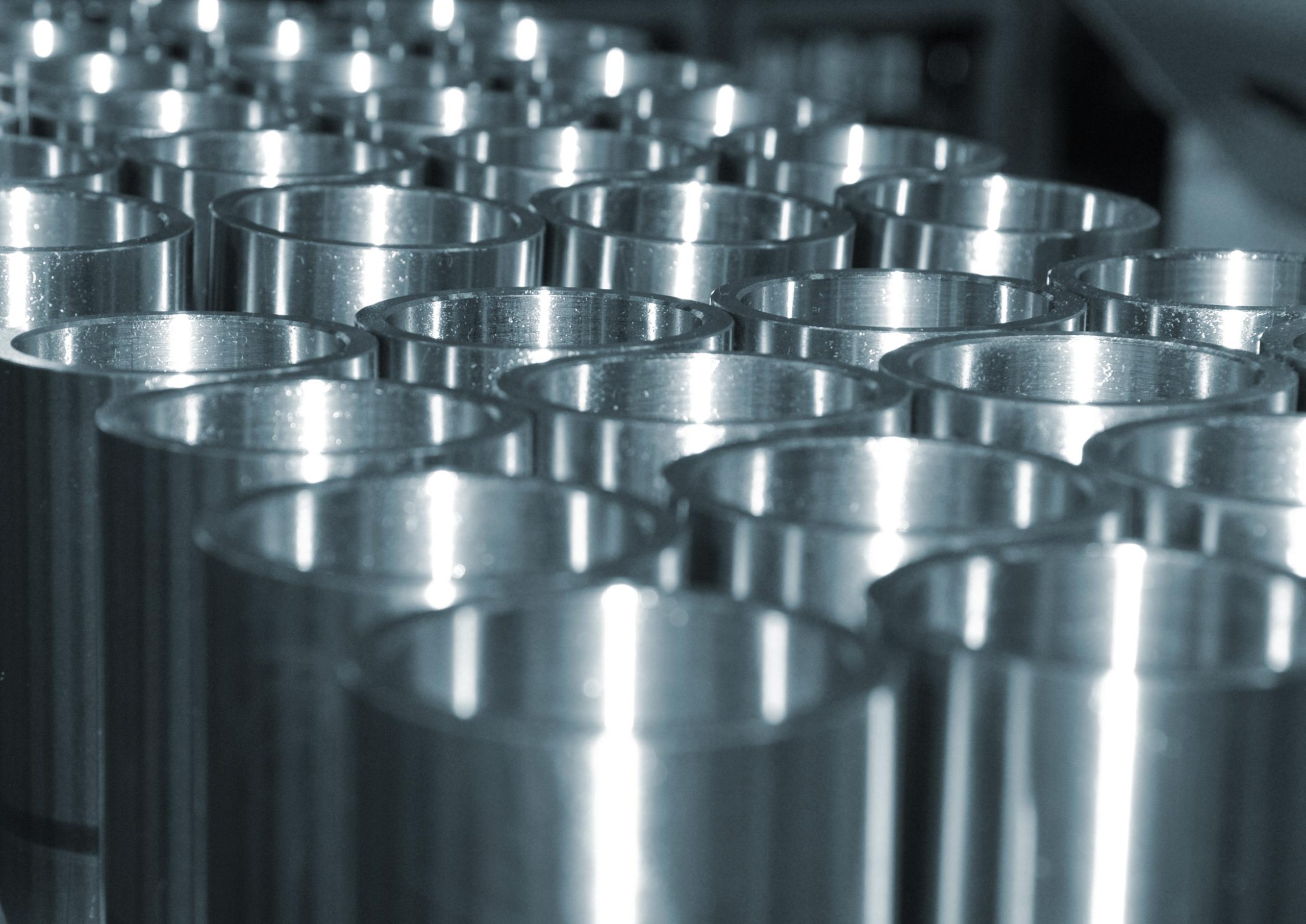
Germany titanium industry is gaining importance as manufacturers look for materials that combine strength, durability, and lower weight. Titanium has become particularly valuable in aerospace, automotive engineering, chemical processing, medical technology, and industrial construction. Its ability to withstand extreme temperatures and resist corrosion makes it suitable for demanding applications where conventional metals may fall short. According to Nexdigm, Germany’s titanium metal industry was valued at USD 2.45 billion in 2025 and is projected to reach USD 4.17 billion by 2035, reflecting a CAGR of approximately 5.4%.
Market Drivers Advancing Germany’s Titanium Growth
Expanding Aerospace and Defence Manufacturing
Germany’s established aerospace manufacturing base is an important source of titanium demand. Aircraft manufacturers and their suppliers require lightweight materials that can withstand high mechanical stress, temperature variations, and prolonged operating conditions. Titanium alloys are widely used in aircraft structures, engine components, landing gear, and other critical parts. Manufacturing activities around Hamburg, Bavaria, and Baden-Württemberg supports demand for specialized titanium sheets, plates, bars, forgings, and mill products. The material’s strength-to-weight ratio also helps aircraft manufacturers reduce structural weight and improve fuel efficiency. The European Commission’s Joint Research Centre identifies aerospace as the largest application for titanium metal in the EU, accounting for approximately 67% of total demand. This underlines the importance of aircraft production and related engineering activities for regional titanium consumption.
Rising Demand from Chemical Processing and Industrial Manufacturing
Germany has a strong chemical and industrial manufacturing base, creating consistent demand for materials that can perform in corrosive environments. Titanium is used in heat exchangers, pressure vessels, industrial piping, pumps, valves, and specialized processing equipment. Chemical manufacturers value titanium because it offers excellent resistance to corrosion from several aggressive chemicals, helping extend equipment life and reduce maintenance requirements. Industrial facilities also use titanium components in applications involving high temperatures and challenging operating conditions.
Lightweight Engineering and Advanced Manufacturing
The shift towards lightweight engineering is opening additional opportunities across automotive manufacturing, industrial machinery, and additive manufacturing. Titanium alloys offer high strength without adding excessive weight, making them useful for specialized vehicle components and high-performance machinery.
Meanwhile, metal 3D printing is changing how manufacturers produce complex components. Titanium powder allows engineers to manufacture intricate shapes while reducing unnecessary material removal. This is particularly relevant for aerospace prototypes, customized medical implants, and precision industrial parts.
According to Nexdigm, titanium mill products accounted for approximately 42% of Germany’s product-form industry in 2026, supported largely by aerospace procurement.
Government Initiatives Supporting Germany’s Titanium Sector
The German government and European Union are focusing on strengthening access to critical raw materials and reducing dependence on overseas suppliers. The European Critical Raw Materials Act, which came into force in May 2024, identifies titanium metal as a strategic raw material. It aims to improve domestic processing, recycling, and supply-chain resilience. Germany also supports critical raw material investments through programmes such as the Raw Materials Fund and STARK programme, encouraging businesses to develop more secure and sustainable industrial supply chains.
Competitive Landscape of Germany’s Titanium Industry
Germany’s competitive landscape includes established material suppliers, metal processors, specialty alloy manufacturers, and engineering companies. Key participants identified by Nexdigm include ThyssenKrupp Materials Services, VDM Metals, Deutsche Titan GmbH, Otto Fuchs KG, and Heraeus Holding. Companies are strengthening their positions through specialized product development, reliable sourcing arrangements, advanced processing capabilities, and stronger relationships with aerospace and industrial customers. Product quality, delivery of reliability, technical expertise, and compliance with industry standards remain important for competitive factors.
Challenges Impacting Germany’s Titanium Industry
Dependence on Imported Raw Materials
Germany and the wider European industry remain exposed to international titanium supply chains. Limited regional production capacity for titanium sponge and semi-finished products creates sourcing risks, particularly during geopolitical disruptions and changes in international trade conditions.
High Production Costs and Recycling Limitations
Titanium processing requires energy-intensive production methods and specialized equipment. High energy costs, environmental compliance requirements, and limited access to high-quality titanium scrap can increase operating expenses and restrict the competitiveness of domestic manufacturers.
Future Outlook
The future of the Germany’s Titanium Industry manufacturers is likely to invest more in titanium scrap recovery, additive manufacturing, and efficient processing technologies. Stronger European supply chains and government-backed raw material initiatives could further support domestic capabilities. Businesses that combine material innovation, cost efficiency, and reliable sourcing will be better positioned to benefit from Germany’s expanding high-performance manufacturing sector.
Consultants at Nexdigm, in their latest publication “Germany Titanium Metal Market Outlook to 2035 ,” analyze the sector By (Defining Germany Titanium Market Boundaries, Bottom-up Sector Consumption Analysis, Top-down Macroeconomic Forecast Modeling, Aerospace Industry Order Book Assessment).
Nexdigm suggests that businesses in the Germany Titanium Metal Industry focus on expanding applications across aerospace, defense, medical implants, automotive, and industrial manufacturing. Investing in advanced production technologies, high-performance titanium alloys, and sustainable manufacturing practices can help businesses strengthen competitiveness and capitalize on emerging market opportunities through 2035.
To take the next step, simply visit our Request a Consultation page and share your requirements with us.
Harsh Mittal
+91-8422857704