
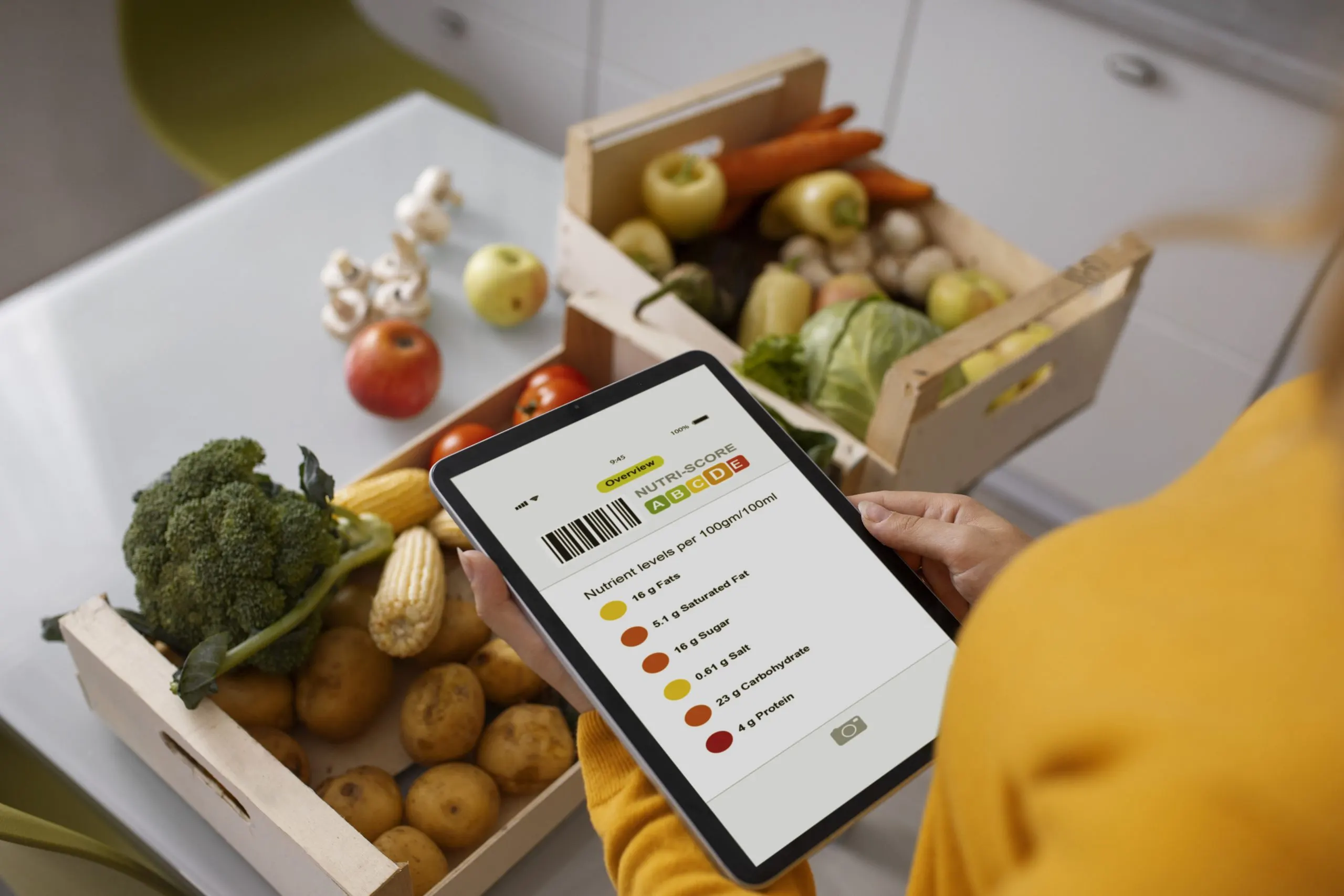
Benchmarking grocery pricing across retailers is essential for businesses managing high-frequency consumer purchases, where small price differences can significantly influence store choice, basket size, and loyalty. Grocery retail pricing benchmarking consulting provides structured insights into competitor prices, promotional activity, private-label positioning, and regional price variations.
Through advanced Pricing Analysis, retailers can identify pricing gaps, optimize category strategies, and protect margins. Data-driven grocery price benchmarking also supports faster decisions, improves promotional effectiveness, and helps retailers remain competitive while responding to changing consumer expectations and market conditions more effectively.
Recent research shows that 75.2% of shoppers choose retailers offering the best prices, while 66% switch stores for lower prices. Additionally, 41.4% regularly compare retailer prices, highlighting the strong value of systematic grocery pricing benchmarking and Pricing Analysis for retailers.
Data-Driven Grocery Pricing Analysis for Retail Competitiveness
Data-driven grocery pricing analysis enables retailers to compare competitors, understand shopper behavior, optimize margins, strengthen value perception, and respond faster to market changes while maintaining long-term retail competitiveness across categories. Its major advantages are:
- Omnichannel Consistency: It helps in improving pricing alignment across physical stores, ecommerce platforms, delivery applications, and marketplaces, reducing customer confusion while supporting trust, convenience, and consistent value perception.
- Price Perception Enhancement: It strengthens customer perceptions of affordability by maintaining competitive prices on visible products while protecting margins on items receiving less frequent price comparison from shoppers.
- Decision Automation: It accelerates pricing updates through automated data collection, competitor monitoring, and analytical recommendations, reducing manual effort while improving consistency, accuracy, and response speed across locations.
- Assortment Pricing Analysis: It enables retailers to align prices across essential, premium, seasonal, and private-label products, improving assortment clarity, customer choice, and overall category performance across stores.
Nexdigm’s Strategic Assistance in Optimizing Grocery Retail Prices
Nexdigm assists grocery retailers in optimizing prices through data-driven pricing analysis, competitive benchmarking, and market intelligence. Its grocery retail pricing solutions evaluate competitor movements, consumer demand, category performance, promotional effectiveness, and margin opportunities. By combining grocery price benchmarking, retail pricing strategy, price optimization consulting, and advanced analytics, Nexdigm helps businesses strengthen value perception, improve profitability, and support sustainable market competitiveness.
Nexdigm’s Data-Driven Pricing Analysis Framework for Grocery Retailers
Nexdigm’s data-driven pricing framework helps grocery retailers combine market intelligence, consumer insights, category economics, and governance to improve competitiveness, margins, pricing consistency, and faster decision-making across multiple channels effectively. Some important frameworks in-use are:
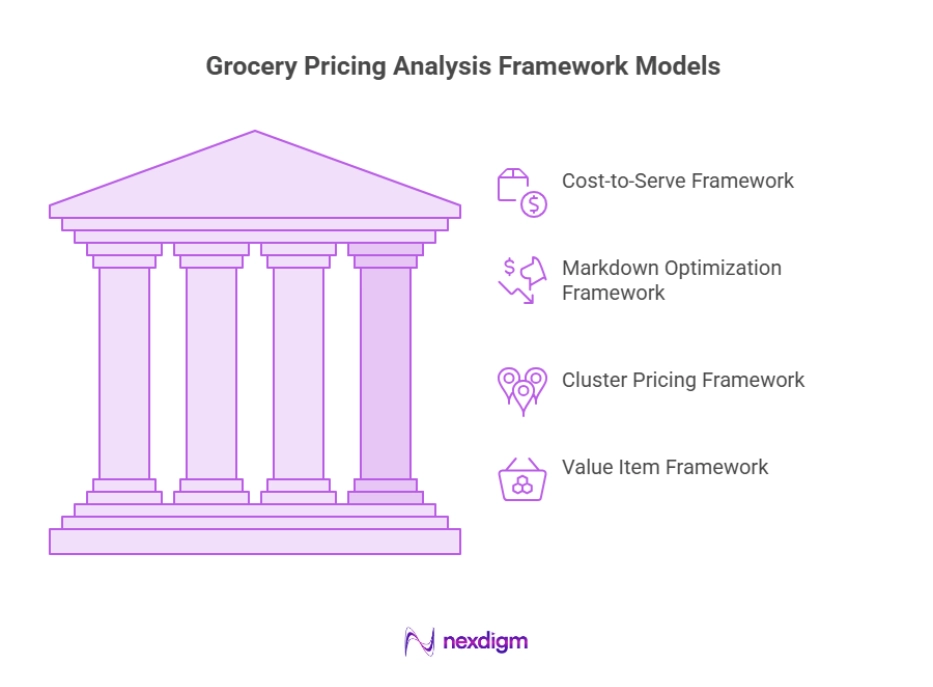
- Cost-to-Serve Framework: Incorporates sourcing, logistics, storage, wastage, and fulfilment costs into pricing decisions, ensuring prices reflect operational economics across stores, delivery channels, and individual product categories.
- Markdown Optimization Framework: Evaluates inventory age, expiry risk, sell-through, and demand to determine appropriate markdown timing and depth, reducing waste while protecting revenue and maintaining customer value perceptions.
- Cluster Pricing Framework: Groups store by location, shopper profile, competition, and demand characteristics, allowing retailers to apply localized pricing while maintaining consistency across the wider retail network.
- Value Item Framework: Identifies frequently compared products that shape overall price perception, helping retailers remain competitive on essential items while protecting margins across less price-sensitive categories and products.
Nexdigm’s Case
Nexdigm supported a large grocery retailer through tailored performance benchmarking, data-driven insights, and strategic pricing models. Within six months, the engagement helped reduce supply-chain costs by 15%, increase profit margins by 10%, improve inventory turnover, and raise customer satisfaction scores by 12%, delivering significant operational and commercial gains.
To take the next step, simply visit our Request a Consultation page and share your requirements with us.
Harsh Mittal
+91-8422857704