
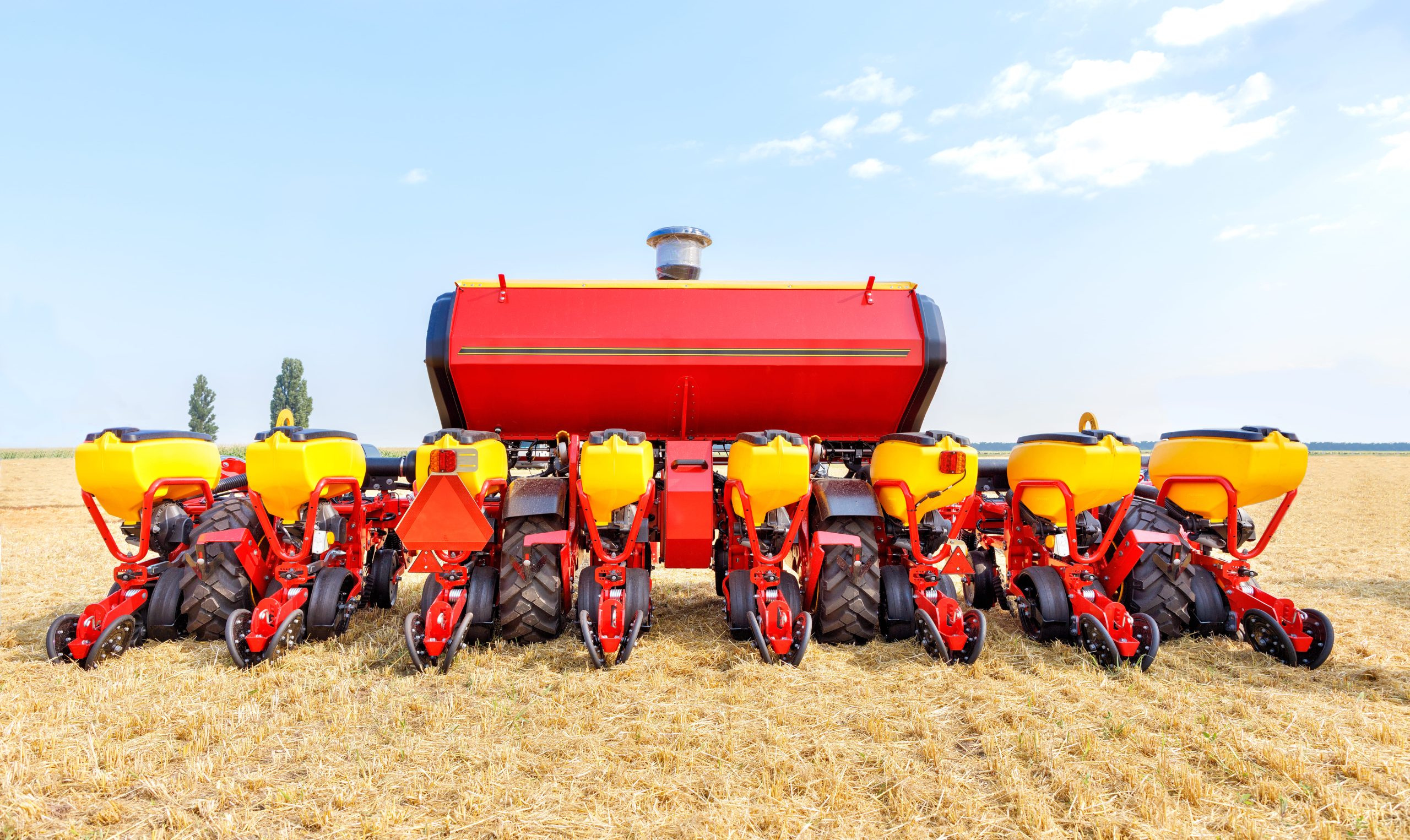
India’s agricultural sector is Experiencing a structural transformation as mechanization becomes increasingly essential for improving productivity and addressing labor shortages. Agricultural engines—used in equipment such as tractors, irrigation pumps, harvesters, and threshers—remain a critical component of rural mechanization. As of 2026, India is among the world’s largest agricultural machinery markets, supported by a vast farming base and government initiatives aimed at modernizing agriculture. However, small and fragmented landholdings continue to shape the demand pattern toward compact and low-horsepower engines. With rising adoption of mechanized farming practices, increasing rural incomes, and policy-driven support for farm productivity, the India agricultural engine market is expected to witness steady expansion through 2035.
What’s Driving the Agricultural Engine Market in India?
Growing Farm Mechanization Across Small and Medium Holdings
Farm mechanization in India has steadily increased over the past decade as farmers seek to improve productivity and reduce dependence on manual labor. Agricultural engines power a wide range of equipment including irrigation pumps, tillers, tractors, and threshers, making them essential for modern farming operations. Rising awareness among farmers about efficient irrigation systems and mechanized farming techniques is boosting the adoption of engine-powered equipment, particularly in states such as Punjab, Haryana, Maharashtra, and Uttar Pradesh.
Rising Demand for Irrigation and Water Pumping Solutions
Agricultural engines play a crucial role in powering water pumps for irrigation, especially in regions with irregular rainfall patterns. India continues to rely heavily on groundwater irrigation, and diesel-powered engines are widely used to operate pump sets in rural areas lacking reliable electricity access. The demand for irrigation pumps powered by compact engines is expected to remain strong as farmers expand cultivation cycles and shift toward high-value crops such as fruits, vegetables, and horticulture products.
Expansion of Custom Hiring Centers and Equipment Sharing
Custom Hiring Centers (CHCs) established across several states are improving farmers’ access to mechanized equipment without requiring high upfront investments. These centers allow farmers to rent tractors, tillers, and other engine-powered machinery on demand. The growing network of CHCs is increasing the utilization of agricultural engines and supporting market demand by enabling smallholder farmers to access mechanized farming solutions at affordable costs.
Government-Led Initiatives Supporting Farm Mechanization
The Indian government has introduced multiple initiatives to accelerate mechanization and improve agricultural productivity. Programs such as the Sub-Mission on Agricultural Mechanization (SMAM) provide financial assistance for purchasing agricultural machinery and equipment, including engine-powered tools. In addition, subsidies for irrigation infrastructure and rural electrification programs are helping expand access to mechanized farming solutions. State governments are also actively promoting farm mechanization through equipment subsidies, training programs, and the establishment of farm machinery banks. These initiatives are expected to encourage the adoption of engine-powered agricultural equipment among small and marginal farmers, thereby supporting long-term growth in the agricultural engine market.
Market Competition and Manufacturing Landscape
The India agricultural engine market is moderately fragmented with the presence of both domestic manufacturers and international engine suppliers. Key players include Kirloskar Oil Engines Limited, Greaves Cotton Limited, Cummins India, and Mahindra Powerol. Domestic manufacturers dominate the low- and mid-horsepower engine segment, which is widely used in irrigation pumps and small agricultural machinery. Companies are increasingly focusing on improving fuel efficiency, durability, and emission compliance of engines to align with evolving environmental regulations. Manufacturers are also investing in research and development to introduce engines compatible with alternative fuels and hybrid agricultural machinery. Strategic partnerships between equipment manufacturers and engine suppliers are further strengthening the market ecosystem.
High Dependence on Diesel Engines and Rising Fuel Costs
One of the major challenges in the India agricultural engine market is the heavy dependence on diesel-powered engines, particularly for irrigation pumps and small farm machinery. Fluctuating diesel prices significantly increase operating costs for farmers, especially small and marginal landholders who already operate on tight margins. In addition, stricter emission regulations and growing environmental concerns are gradually pushing the sector toward cleaner alternatives such as electric and solar-powered pumps. However, limited rural infrastructure, high upfront costs, and slow technology adoption continue to delay the transition.
Future Outlook
The India agricultural engine market is expected to experience sustained growth through 2035 as the country continues to prioritize agricultural modernization and productivity improvements. Increasing mechanization levels, expansion of irrigation infrastructure, and rising adoption of precision farming technologies will drive demand for efficient and reliable agricultural engines. Technological advancements are likely to shape the next phase of growth in the sector. Engine manufacturers are expected to focus on developing fuel-efficient, low-emission, and hybrid-compatible engines to meet evolving regulatory and sustainability requirements. Additionally, the integration of smart monitoring systems in agricultural machinery may enhance engine performance and maintenance efficiency.
Consultants at Nexdigm, in their latest publication “India Agricultural Engine Market Outlook to 2035” analysed By Engine Type (Diesel Engines, Petrol Engines, Gas Engines), By Horsepower (Below 10 HP, 10–30 HP, Above 30 HP), By Application (Irrigation Pumps, Tractors and Tillers, Harvesting Equipment, Others), and By Distribution Channel (OEMs, Aftermarket Dealers, Online Platforms), believe that businesses should prioritize fuel-efficient engine technologies, expand rural distribution networks, and align with government mechanization programs to capture long-term opportunities in India’s evolving agricultural machinery ecosystem.
To take the next step, simply visit our Request a Consultation page and share your requirements with us.
Harsh Mittal
+91-8422857704