
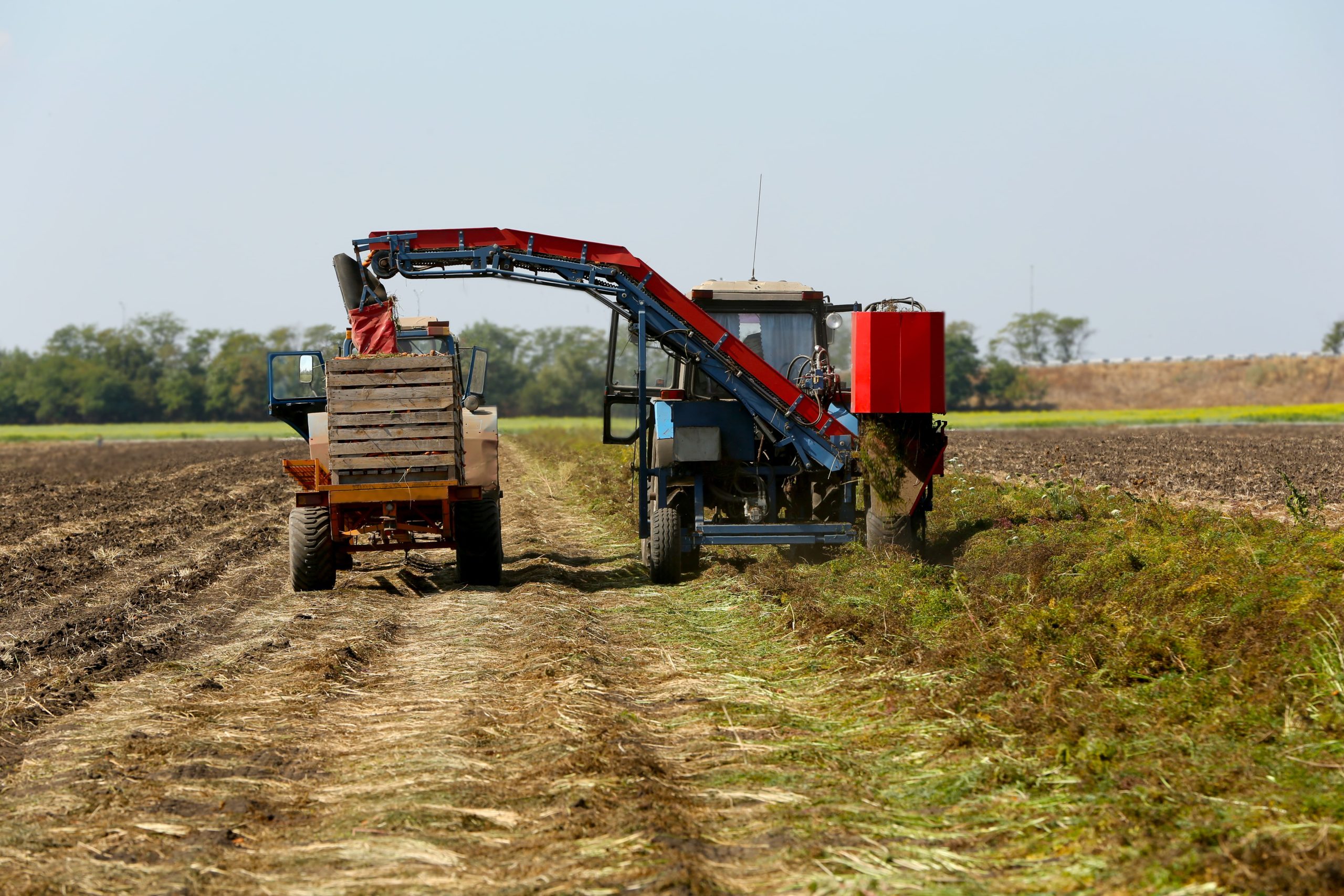
The India agricultural equipment market is going through a major transformation as the country continues to modernize its farming ecosystem and strengthen food security. Agriculture remains a critical pillar of India’s economy, employing nearly half of the country’s workforce and contributing significantly to rural income generation. As of 2026, India is among the world’s largest tractor markets, with strong demand for mechanized farming solutions across states such as Uttar Pradesh, Punjab, Maharashtra, and Madhya Pradesh. Rising labor shortages in rural areas, increasing farm productivity targets, and government-backed mechanization initiatives are encouraging farmers to adopt advanced agricultural equipment. At the same time, India’s agricultural machinery manufacturing base is expanding, positioning the country not only as a large consumer market but also as a potential export hub for affordable farm equipment.
What’s Driving the Agricultural Equipment Market in India?
Increasing Farm Mechanization
The gradual shift from traditional farming practices to mechanized agriculture is one of the key drivers of India’s agricultural equipment market. Small and medium-scale farmers are increasingly adopting tractors, harvesters, and power tillers to improve efficiency and reduce dependence on manual labor. Rising rural wages and migration of labor to urban areas have accelerated the need for mechanized solutions, particularly during peak sowing and harvesting seasons. Equipment such as combine harvesters and seed drills are helping farmers improve crop productivity while reducing operational costs.
Growth in Custom Hiring Centers
The expansion of Custom Hiring Centers (CHCs) is making agricultural machinery more accessible to small and marginal farmers. Since purchasing farm equipment can require significant capital investment, many farmers prefer renting machinery through CHCs and farm equipment banks. These centers provide access to tractors, rotavators, planters, and harvesters at affordable rental rates. The increasing penetration of such shared equipment models is improving equipment utilization while expanding the overall demand for farm machinery across rural India.
Technological Advancements in Agricultural Machinery
Advancements in precision agriculture and smart farming technologies are gradually transforming the Indian agricultural equipment landscape. Manufacturers are introducing GPS-enabled tractors, sensor-based irrigation systems, and automated planting equipment to enhance productivity. These technologies allow farmers to monitor soil conditions, optimize fertilizer usage, and reduce wastage of resources. The integration of telematics and IoT-based monitoring in tractors and harvesters is also improving fleet management and maintenance efficiency.
Government-Led Initiatives Supporting Farm Mechanization
The Indian government has launched several initiatives aimed at promoting farm mechanization and improving agricultural productivity. Programs such as the Sub-Mission on Agricultural Mechanization (SMAM) provide financial assistance to farmers for purchasing agricultural machinery. In addition, state governments have been offering subsidies for tractors, power tillers, and harvesters to encourage adoption among smallholder farmers. Government-backed initiatives promoting digital agriculture, irrigation efficiency, and farm mechanization are further strengthening the demand for modern agricultural equipment. Infrastructure investments in rural roads and agricultural supply chains are also improving equipment accessibility across remote farming regions.
Market Competition
The India agricultural equipment market is highly competitive with a mix of domestic manufacturers and global players. Leading companies include Mahindra & Mahindra Farm Equipment Sector, TAFE (Tractors and Farm Equipment Limited), Escorts Kubota Limited, and John Deere India. These companies offer a wide range of tractors, harvesters, and farm implements tailored to different farm sizes and crop requirements. Mahindra & Mahindra continues to dominate the tractor segment with strong domestic distribution and growing exports to international markets. Meanwhile, Escorts Kubota is strengthening its position through strategic collaborations and product innovation. Global manufacturers such as John Deere are focusing on advanced machinery and precision agriculture solutions to cater to large farms and commercial agricultural operations.
Fragmented Landholdings Limiting Equipment Adoption
One of the major challenges in the India agricultural equipment market is the prevalence of small and fragmented landholdings. A significant share of Indian farmers operates on plots smaller than two hectares, which limits the economic viability of investing in large agricultural machinery such as tractors and combine harvesters. The high upfront cost of advanced equipment further discourages adoption among smallholder farmers. Although rental services and Custom Hiring Centers are expanding access to machinery, limited awareness, financing constraints, and uneven rural infrastructure continue to slow mechanization in several regions.
Future Outlook
The India agricultural equipment market is expected to experience steady growth through 2035 as mechanization becomes increasingly essential for improving farm productivity and addressing labor shortages. Demand for compact tractors, multi-functional farm implements, and smart farming equipment is expected to rise significantly in the coming decade. Increasing adoption of rental-based equipment services and digital farm platforms will further expand accessibility for small farmers. India is also likely to strengthen its position as a global manufacturing hub for affordable agricultural machinery. With growing exports to Africa, Southeast Asia, and Latin America, domestic manufacturers are expected to expand their global footprint. By 2035, the integration of precision agriculture technologies, automation, and data-driven farming tools will reshape the agricultural equipment landscape, enabling Indian agriculture to become more efficient, sustainable, and resilient.
Consultants at Nexdigm, in their latest publication “India Agricultural Equipment Market Outlook to 2035”, analyzed the market by Equipment Type (Tractors, Harvesters, Power Tillers, Planting Equipment, Irrigation Equipment), By Farm Size (Small & Marginal Farms, Medium Farms, Large Farms), and By Distribution Channel (Authorized Dealers, Rural Retailers, Equipment Rental Platforms, Cooperatives). Nexdigm believes that businesses should prioritize affordable mechanization solutions, strengthen rural distribution networks, and invest in precision farming technologies to capture long-term growth opportunities in India’s evolving agricultural ecosystem.
To take the next step, simply visit our Request a Consultation page and share your requirements with us.
Harsh Mittal
+91-8422857704