
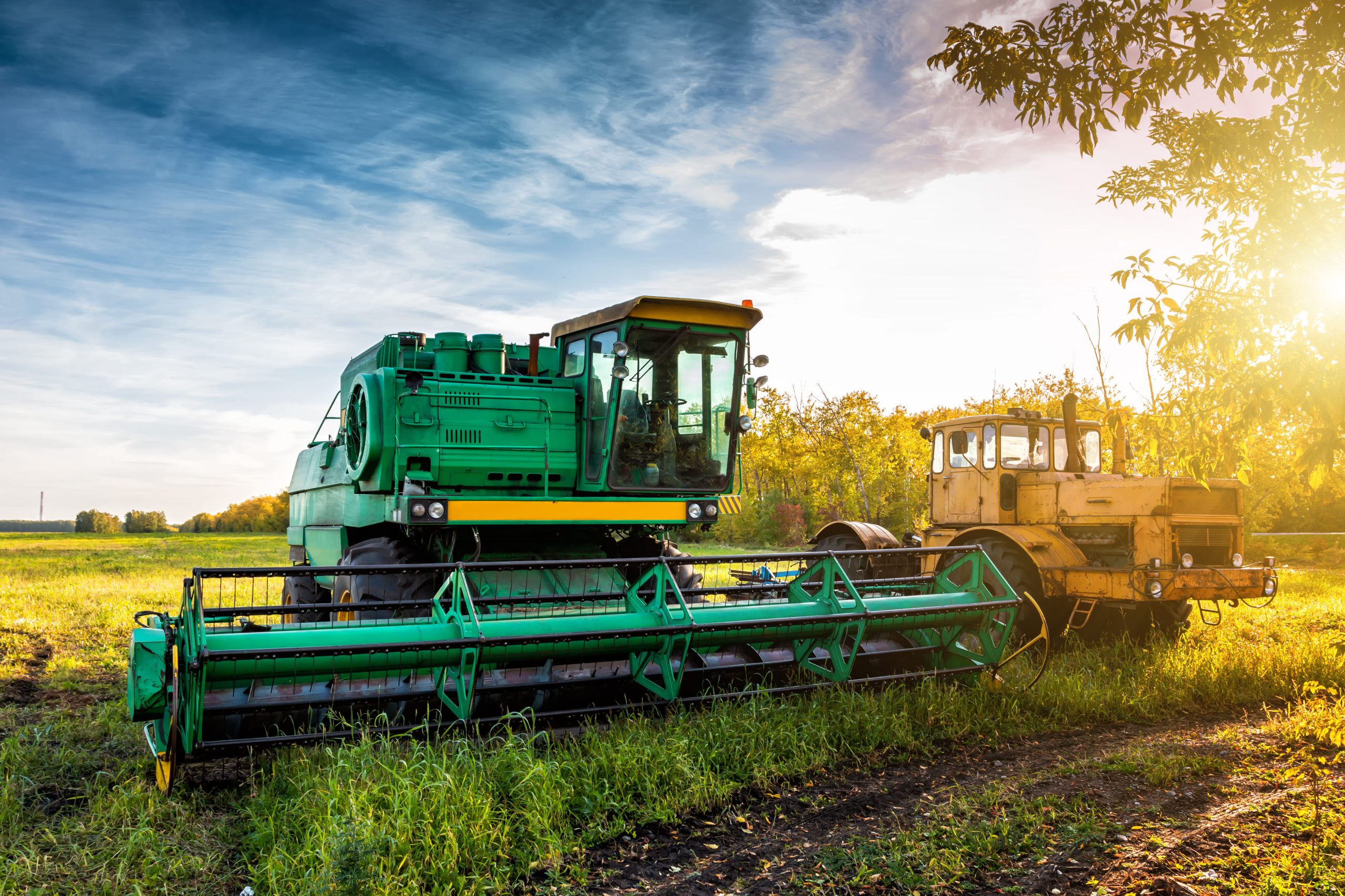
India’s agricultural machinery sector is experiencing a rapid transformation as the country intensifies efforts to modernize farming and improve crop productivity. Harvesters particularly combine harvesters are becoming increasingly important as labour shortages, rising wages, and the need for timely harvesting push farmers toward mechanization. As of 2025, India remains one of the world’s largest agricultural producers, yet mechanization levels are still lower compared to developed agricultural economies. A large portion of small and marginal farmers continue to rely on manual harvesting or rental machinery services. However, government mechanization programs, expansion of custom hiring centers, and the increasing adoption of precision farming are accelerating demand for agricultural harvesters across major grain-producing states such as Punjab, Haryana, Uttar Pradesh, and Madhya Pradesh.
What’s Driving the Agricultural Harvester Market in India?
Rising Labor Shortages and Increasing Wage Costs
Agricultural labor shortages have become a major challenge in India’s farming sector. Migration of rural workers to urban areas and the expansion of non-farm employment opportunities have reduced the availability of farm labor during peak harvesting seasons. As a result, farmers are increasingly adopting combine harvesters to ensure timely crop harvesting. Mechanized harvesting not only reduces dependency on manual labor but also minimizes post-harvest losses, particularly in crops such as wheat, rice, and maize.
Expansion of Custom Hiring Centers
The majority of Indian farmers operate on small landholdings, which makes direct ownership of harvesters economically challenging. To address this, the government and private players are promoting custom hiring centers (CHCs) where farmers can rent agricultural machinery at affordable rates. These centers provide access to harvesters and other farm equipment on a pay-per-use basis, significantly increasing machine utilization rates and enabling smallholder farmers to benefit from mechanization without heavy capital investment.
Growing Demand for Multi-Crop Harvesting Solutions
Farmers are increasingly shifting toward versatile machinery capable of harvesting multiple crops. Modern combine harvesters are designed to handle crops such as wheat, rice, pulses, and oilseeds with minor modifications. This flexibility improves machine productivity and increases return on investment for equipment owners and service providers. As crop diversification increases across Indian states, demand for adaptable harvesting equipment is expected to rise steadily.
Government-Led Mechanization Initiatives
The Indian government has introduced several policies aimed at improving farm mechanization and reducing crop losses. Programs such as the Sub-Mission on Agricultural Mechanization (SMAM) provide financial assistance for purchasing agricultural machinery, including harvesters. Subsidies offered under these programs can range from 40% to 60% depending on farmer categories and regional priorities. In addition, initiatives promoting Farmer Producer Organizations (FPOs) are enabling collective ownership of high-value machinery like combine harvesters. By pooling resources, farmer groups can invest in modern harvesting equipment and improve operational efficiency across larger cultivated areas. These policies are playing a crucial role in expanding the adoption of harvesters beyond traditional mechanization hubs in northern India.
Market Competition and Industry Landscape
The India agricultural harvester market is moderately concentrated with a mix of domestic manufacturers and global agricultural equipment companies. Key players include Mahindra & Mahindra, TAFE (Tractors and Farm Equipment Limited), John Deere India, CLAAS India, and Preet Agro Industries. These companies compete through product innovation, distribution networks, and after-sales service capabilities. Domestic manufacturers such as Mahindra and Preet Agro Industries have developed harvesters tailored for Indian farming conditions, focusing on compact designs and fuel efficiency. Meanwhile, global manufacturers such as John Deere and CLAAS are introducing technologically advanced models featuring GPS guidance systems, precision harvesting features, and improved grain handling efficiency.
High Initial Cost of Harvesters and Limited Financing Access
The high upfront cost of agricultural harvesters remains a major barrier for widespread adoption in India. A new combine harvester can cost several lakhs, making it financially challenging for small and marginal farmers who dominate the agricultural sector. Although government subsidies and financing schemes exist, many farmers still face difficulties accessing formal credit due to documentation requirements and limited financial awareness. As a result, farmers often depend on rental services or shared ownership models, which can restrict availability during peak harvesting seasons and delay timely crop harvesting.
Future Outlook
The India agricultural harvester market is expected to experience strong growth through 2035 as farm mechanization becomes a national priority. Increasing rural wages, technological advancements, and the expansion of farm equipment rental ecosystems will continue to drive adoption. Precision agriculture technologies—including GPS-based harvesting systems and smart monitoring solutions—are expected to gradually enter the Indian market as larger farms and agri-service providers modernize their operations. By 2035, mechanized harvesting is expected to expand beyond traditional grain belts to emerging agricultural regions in eastern and central India. Custom hiring centers, equipment leasing models, and digital farm service platforms will play a significant role in improving accessibility to harvesting machinery. As a result, India’s agricultural harvesting ecosystem is likely to evolve toward a more service-driven and technology-enabled model.
Consultants at Nexdigm, in their latest publication “India Agricultural Harvester Market Outlook to 2035,” analyzed the market by Harvester Type (Combine Harvesters, Forage Harvesters, Self-Propelled Harvesters), By Crop Type (Wheat, Rice, Maize, Pulses, Oilseeds), By Ownership Model (Individual Ownership, Custom Hiring Centers, Cooperative Ownership), and By Region (North India, South India, East India, West India). Nexdigm believes that businesses should prioritize compact multi-crop harvester designs, expand rural service networks, and leverage equipment-as-a-service models to unlock long-term growth in India’s evolving farm mechanization landscape.
To take the next step, simply visit our Request a Consultation page and share your requirements with us.
Harsh Mittal
+91-8422857704