
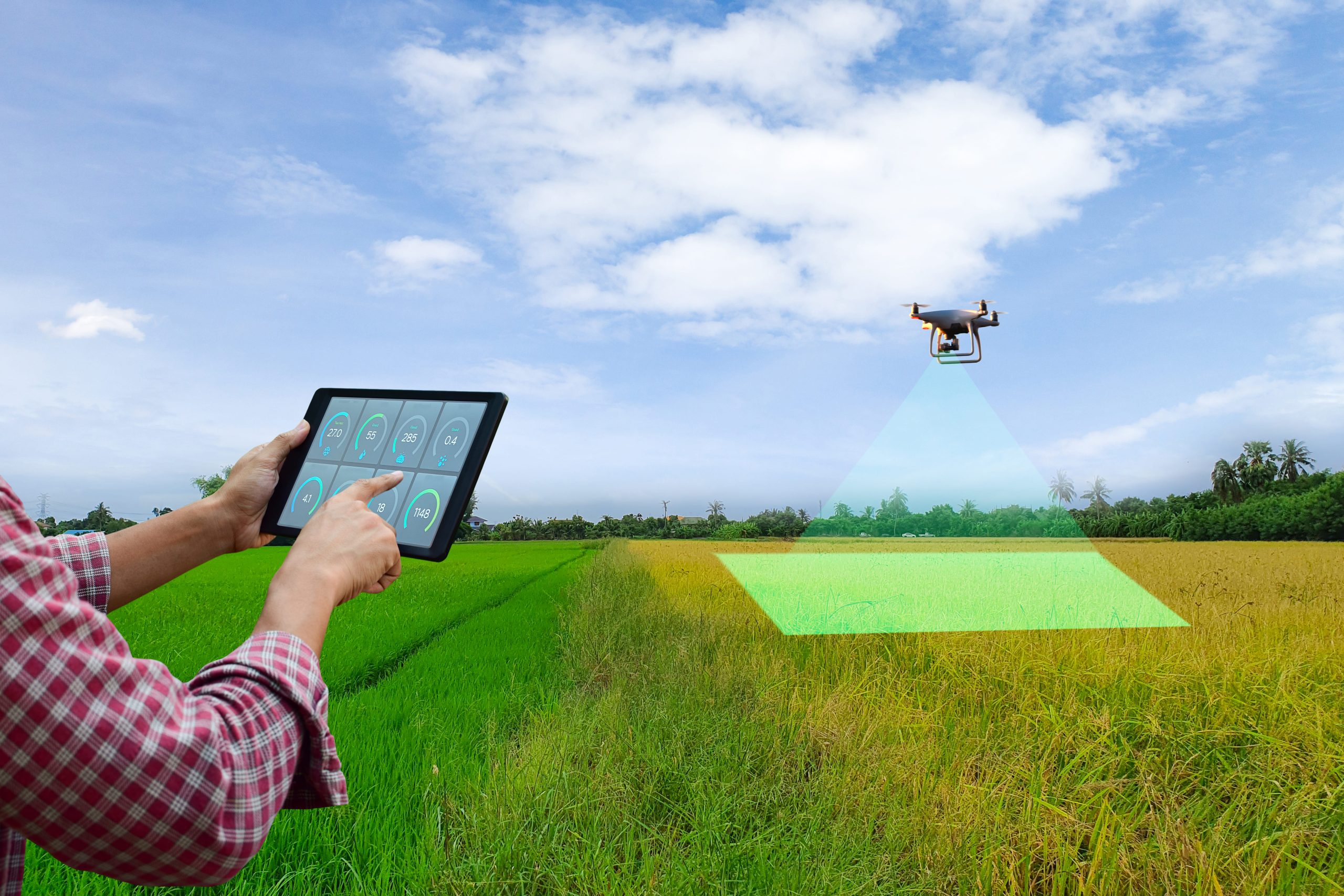
India’s agricultural sector is entering a new phase of digital transformation as farmers increasingly adopt precision agriculture technologies to improve productivity and optimize resource use. Agricultural sensors and telematics systems are becoming essential tools for monitoring soil conditions, weather patterns, crop health, and equipment performance in real time. As of 2026, India remains one of the world’s largest agricultural economies, yet farm productivity continues to lag behind global averages due to fragmented landholdings, inefficient irrigation, and limited data-driven decision-making. The integration of IoT-enabled sensors, GPS-based telematics, and smart farm management platforms is gradually reshaping how farmers manage operations. With growing government support for agri-tech innovation and rising investment in digital agriculture startups, the agricultural sensors and telematics market in India is expected to expand significantly through 2035.
What’s Driving the Agricultural Sensors & Telematics Market in India?
Rising Adoption of Precision Agriculture Technologies
The increasing need to enhance farm productivity and resource efficiency is driving the adoption of precision agriculture technologies across India. Agricultural sensors are widely used to measure soil moisture, temperature, nutrient levels, and crop growth conditions, enabling farmers to make informed decisions regarding irrigation, fertilization, and pest control. These technologies help optimize input usage while reducing operational costs and environmental impact. The integration of telematics systems with farm machinery also allows farmers to track equipment performance, fuel consumption, and field operations remotely, improving farm management efficiency.
Expansion of Agri-Tech Startups and Digital Farming Platforms
India’s rapidly growing agri-tech startup ecosystem is playing a key role in accelerating the adoption of agricultural sensors and telematics solutions. Startups are developing AI-powered farm monitoring platforms that integrate sensor data with satellite imagery and weather analytics to provide actionable insights to farmers. These solutions are particularly useful for large commercial farms, agri-enterprises, and contract farming networks seeking to improve yield forecasting and supply chain planning. Increased venture capital funding and partnerships between agri-tech firms and agricultural cooperatives are further supporting market growth.
Growing Need for Efficient Water Management
Water scarcity remains one of the most critical challenges facing Indian agriculture. Sensor-based irrigation systems allow farmers to monitor soil moisture levels in real time and automate irrigation schedules accordingly. These systems help reduce water wastage while improving crop health, particularly in water-stressed regions. As climate variability intensifies and groundwater resources decline, demand for smart irrigation technologies integrated with soil sensors and remote monitoring systems is expected to rise steadily.
Government-Led Initiatives Supporting Digital Agriculture
The Government of India has launched several initiatives aimed at promoting technology adoption in agriculture and strengthening the country’s digital farming ecosystem. Programs such as the Digital Agriculture Mission and the establishment of AgriStack aim to create integrated digital infrastructure for farm data, enabling better delivery of advisory services, crop monitoring, and farm credit access. Additionally, government-backed smart irrigation programs and subsidies for precision farming equipment are encouraging farmers to adopt sensor-based monitoring systems. These policy initiatives are expected to accelerate the integration of IoT and telematics technologies into mainstream agricultural practices over the coming decade.
Market Competition
The India agricultural sensors and telematics market is moderately fragmented with the presence of global technology providers, agricultural equipment manufacturers, and emerging agri-tech startups. Key players in the ecosystem include companies such as Deere & Company, Trimble Inc., Bosch, CropIn Technology Solutions, and Fasal. These firms provide a wide range of solutions including soil sensors, weather monitoring systems, telematics-enabled farm machinery, and cloud-based farm management platforms. Partnerships between technology providers and agricultural equipment manufacturers are enabling the integration of telematics systems directly into tractors, harvesters, and irrigation equipment, enhancing the value proposition for farmers.
Limited Rural Connectivity and Data Infrastructure
A major challenge for the India agricultural sensors and telematics market is the lack of reliable digital connectivity in rural farming regions. Many sensor-based systems depend on stable internet networks and cloud platforms to transmit real-time farm data. However, inconsistent mobile network coverage and limited broadband penetration in remote agricultural areas restrict seamless data flow and system performance. This makes it difficult for farmers to fully utilize telematics platforms for crop monitoring, irrigation control, and equipment tracking. Strengthening rural digital infrastructure will therefore be critical for widespread technology adoption.
Future Outlook
The India agricultural sensors and telematics market is expected to witness strong growth through 2035 as precision agriculture becomes increasingly important for improving farm productivity and sustainability. Advances in IoT connectivity, satellite-based monitoring, and AI-powered analytics will make sensor-based farming solutions more accessible and cost-effective for farmers. Over the next decade, agricultural equipment manufacturers are expected to integrate telematics capabilities directly into farm machinery, enabling real-time monitoring of field operations and equipment performance. Furthermore, the expansion of digital agriculture platforms and government-backed smart farming initiatives will accelerate adoption across major agricultural states.
Consultants at Nexdigm, in their latest publication “India Agricultural Sensors & Telematics Market Outlook to 2035”, analyzed the industry by Sensor Type (Soil Sensors, Weather Sensors, Crop Health Sensors, Water Sensors), By Technology (IoT-Based Monitoring, GPS & Telematics Systems, Remote Sensing), By Application (Crop Monitoring, Irrigation Management, Equipment Tracking, Yield Forecasting), and By End User (Individual Farmers, Agribusinesses, Cooperatives, Government Projects). Nexdigm believes that companies should focus on affordable sensor technologies, scalable data analytics platforms, and partnerships with agri-tech startups and equipment manufacturers to unlock long-term growth opportunities in India’s rapidly evolving digital agriculture ecosystem.
To take the next step, simply visit our Request a Consultation page and share your requirements with us.
Harsh Mittal
+91-8422857704