
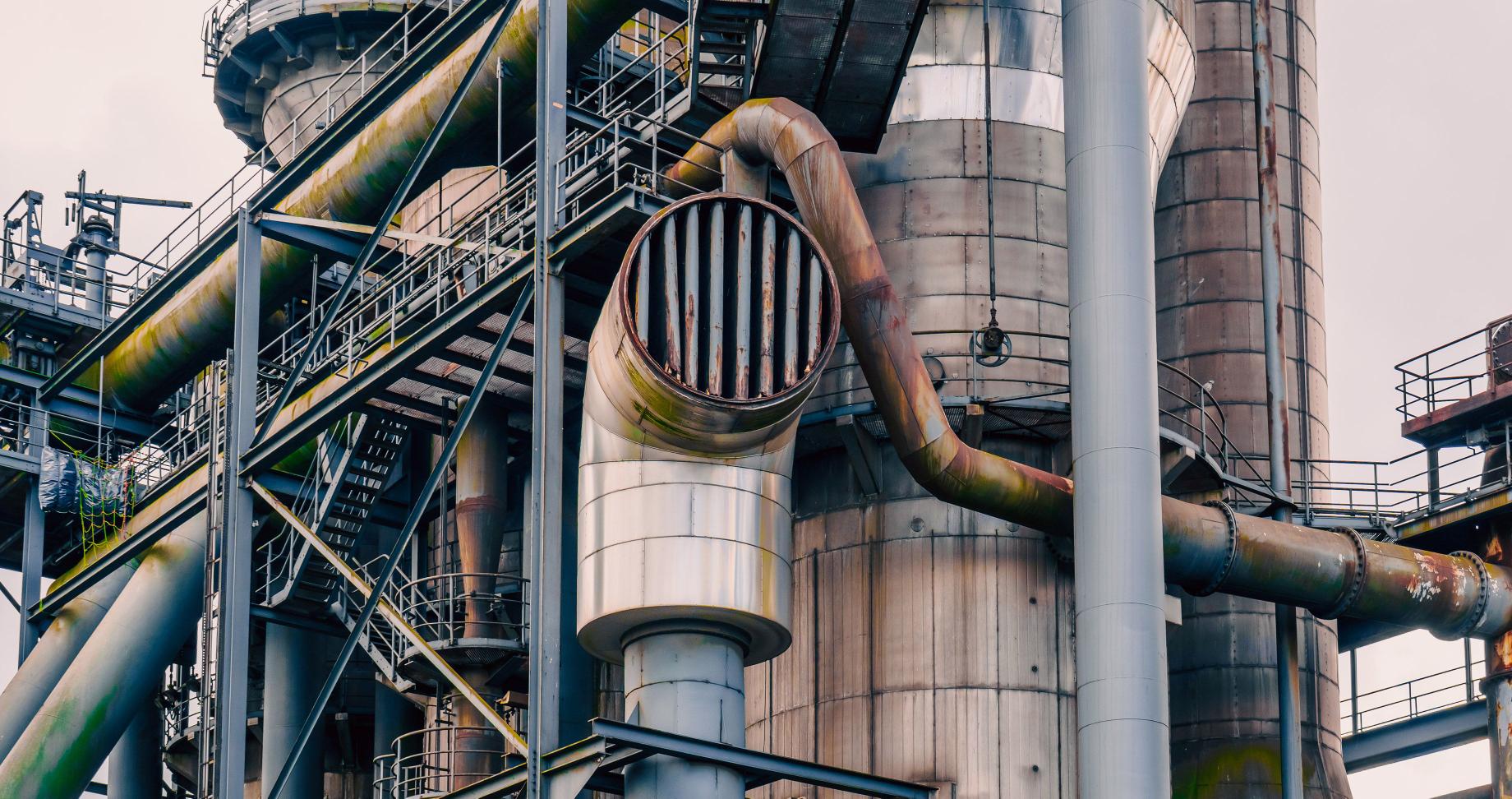
India air separation unit (ASU) industry is experiencing significant growth due to rising demand for industrial gases across sectors such as oil & gas, steel, chemicals, healthcare, and manufacturing. Air separation units produce oxygen, nitrogen, and argon through cryogenic and non-cryogenic technologies, making them essential for industrial operations. The industry is projected to reach approximately USD 4.74 billion by 2035, expanding at a CAGR of around 6.8% from an estimated USD 2.45 billion base. Growing industrialization, increasing adoption of clean-energy processes, and expanding refinery capacities are creating strong opportunities for ASU manufacturers and gas suppliers across India.
Market Drivers Advancing India Air Separation Unit Growth
Rising Demand from Oil and Gas Processing
The oil and gas sector remains a major consumer of industrial gases generated by air separation units. Refineries utilize nitrogen for inerting and purging applications, while oxygen supports various processing operations. As India expands refining capacity and petrochemical production to meet growing energy requirements, demand for on-site ASUs continues to increase. Several large refining and petrochemical hubs are investing in reliable gas supply infrastructure to improve operational efficiency and safety.
Expansion of Steel and Heavy Manufacturing Activities
India is among the world’s leading steel producers, with integrated steel plants consuming substantial volumes of oxygen. Industrial hubs such as Jamshedpur have emerged as key centers for ASU deployment due to continuous oxygen demand from steel manufacturing facilities. The expansion of infrastructure projects, automotive production, and construction activities is driving steel output, consequently increasing the need for industrial gas generation systems. This trend is encouraging investments in large-scale cryogenic air separation facilities throughout the country.
Technological Advancements and Sustainability Goals
Manufacturers are increasingly adopting energy-efficient cryogenic distillation technologies to reduce operating costs and emissions. The shift toward localized gas production through on-site and modular air separation units minimizes transportation requirements for liquefied gases, lowering carbon footprints. Additionally, the growing focus on green hydrogen and green ammonia projects is increasing demand for high-purity oxygen, supporting further industry expansion. Technological localization and automation are also helping operators improve efficiency and reliability.
Government Initiatives Supporting India Air Separation Unit Sector
The Indian government continues to support industrial expansion through initiatives such as Make in India, the National Infrastructure Pipeline, and production-linked incentive programs for manufacturing sectors. Environmental policies encouraging energy efficiency and emissions reduction are accelerating the adoption of advanced industrial gas technologies. Additionally, increasing investments in refinery modernization, chemical manufacturing corridors, and clean-energy projects are creating favorable conditions for air separation unit deployment across multiple industrial applications.
Competitive Landscape of India Air Separation Unit Industry
The industry features a mix of established multinational and domestic participants. Major companies focus on expanding production capacity, improving energy efficiency, and developing long-term supply agreements with industrial customers. Strategic investments in cryogenic technology, regional production facilities, and pipeline infrastructure remain key competitive strategies. Companies are also strengthening their presence in industrial corridors and emerging manufacturing clusters to capture growing demand from oil and gas, steel, and chemical industries.
Challenges Impacting India Air Separation Unit Industry
High Capital and Energy Requirements
Air separation facilities require substantial capital investment and consume significant amounts of electricity during operation. Fluctuations in energy prices can directly affect operating margins, making cost management a critical challenge for industry participants.
Logistics and Infrastructure Constraints
Although on-site generation is increasing, transportation and storage of industrial gases still require specialized infrastructure. Supply chain limitations and infrastructure gaps in certain regions can hinder efficient distribution and delay project implementation.
Future Outlook
Growing Industrial and Energy Investments
India’s continued focus on industrial development, refinery expansion, and chemical manufacturing is expected to strengthen demand for air separation technologies. Rising investments in heavy industries will support long-term growth across the sector.
Increasing Adoption of Sustainable Gas Technologies
The transition toward low-carbon industrial operations, green ammonia production, and energy-efficient manufacturing processes is likely to create new opportunities for ASU providers. As companies prioritize sustainability and operational efficiency, demand for advanced air separation systems is expected to remain strong, reinforcing the industry’s positive growth trajectory over the coming years.
Consultants at Nexdigm, in their latest publication “India Air Separation Unit Market Outlook to 2035,” analyze the sector By (Defining UK Industrial Gas Boundaries, Top-down Sector Capacity Aggregation, Bottom-up Plant Utilization Assessment, Government UK ETS Data Reconciliation, Direct Stakeholder Expert Interviews, Supply Chain Vendor Procurement Surveys, Energy,).
Nexdigm suggests that businesses in the India Air Separation Unit industry focus on investing in energy-efficient and digitally enabled air separation technologies, strengthening partnerships with hydrogen and decarbonization projects, and optimizing operational costs to capitalize on the growing demand for industrial gases across the oil & gas, manufacturing, and clean energy sectors.
To take the next step, simply visit our Request a Consultation page and share your requirements with us.
Harsh Mittal
+91-8422857704