
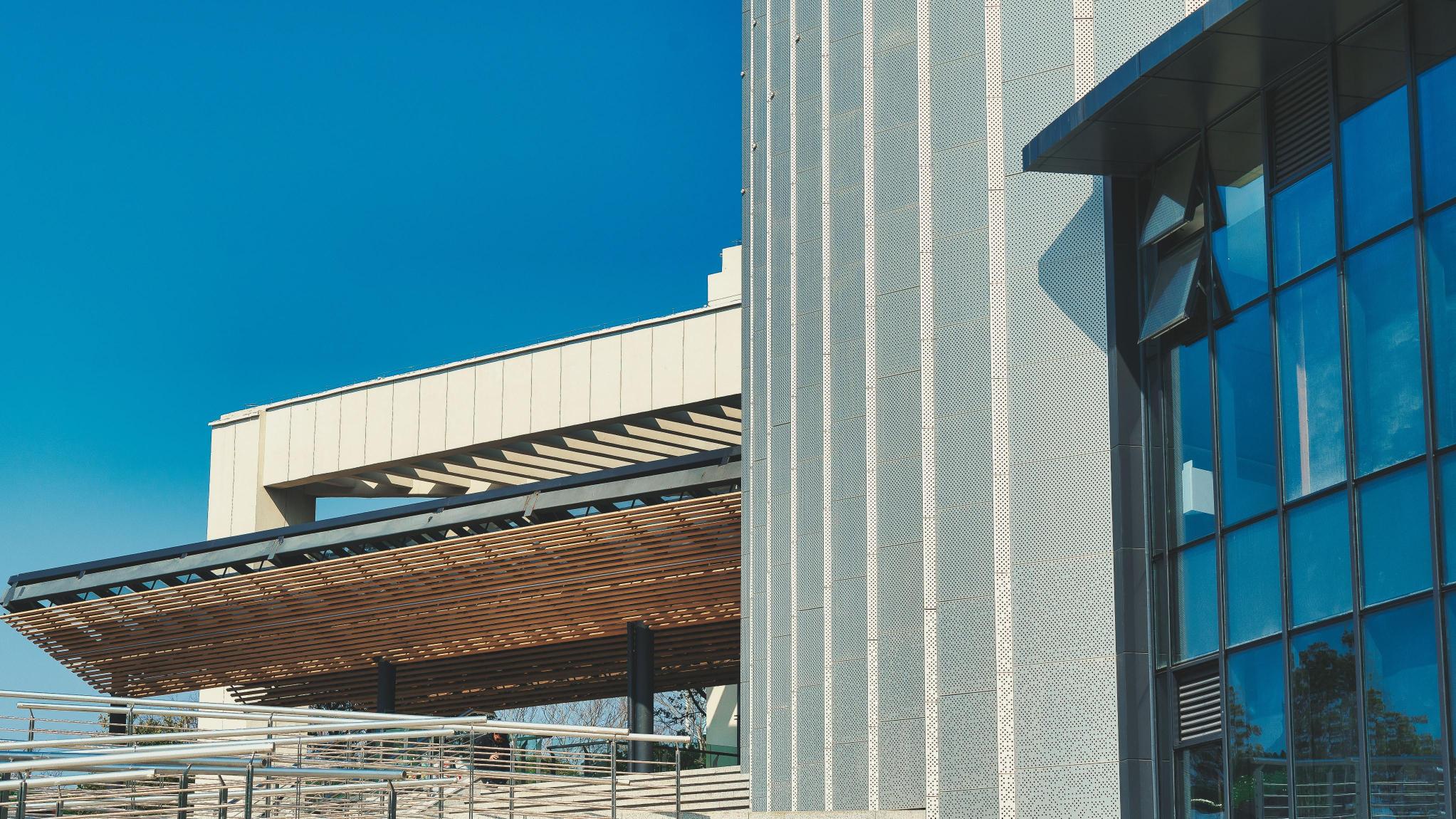
India architectural and construction glass market is witnessing significant growth, supported by rapid urbanization, expanding commercial infrastructure, and rising investments in green buildings. The market is valued at approximately USD 4.82 billion and is projected to expand at a CAGR of around 6.4%, reaching nearly USD 8.98 billion in the forecast period. Growing adoption of energy-efficient glazing solutions, smart building technologies, and premium façade designs is transforming demand patterns across residential, commercial, and institutional construction projects. Major urban centers such as Gurugram, Pune, Bengaluru, and Mumbai are emerging as key demand hubs for advanced architectural glass products.
Market Drivers Advancing the India Architectural and Construction Glass Growth
Rising Demand for Energy-Efficient Buildings
Energy efficiency has become a primary focus in modern construction. Developers are increasingly adopting double-glazed and low-emissivity (Low-E) glass solutions that improve insulation, reduce heat transfer, and lower cooling costs. With commercial buildings accounting for a substantial share of urban energy consumption, architects are integrating high-performance glass to comply with evolving sustainability standards. The demand for spectrally selective glass is also increasing due to its ability to maximize natural light while minimizing solar heat gain.
Growth in Commercial and Urban Infrastructure
The expansion of office complexes, shopping centers, airports, hotels, and mixed-use developments is creating strong demand for architectural glass products. Cities such as Gurugram and Pune continue to witness commercial real estate development, driving the need for curtain walls, façade glazing, and decorative glass installations. Increased investments in metro rail projects, business parks, and smart city developments are further boosting glass consumption in large-scale infrastructure projects.
Expanding Domestic Manufacturing Capabilities
India’s glass manufacturing sector is strengthening through capacity expansions and technological advancements. Leading manufacturers are increasing float glass production to reduce import dependence and meet growing domestic demand. Continuous investments in coated glass technologies, tempered glass production, and value-added processing facilities are enhancing product quality and availability. These developments support broader adoption of advanced glass solutions across the construction industry.
Government Initiatives Supporting India Architectural and Construction Glass Industry
Government policies promoting sustainable construction and energy conservation are positively influencing market growth. The Bureau of Energy Efficiency (BEE) encourages improved building performance through energy-efficiency guidelines and thermal standards. Additionally, green building certification frameworks such as GRIHA and various smart city initiatives are encouraging developers to incorporate energy-efficient glazing materials. Government investments in infrastructure modernization, urban development projects, and commercial construction continue to generate long-term opportunities for architectural glass manufacturers.
Competitive Landscape of S India Architectural and Construction Glass Sector
The market is moderately consolidated, with major players focusing on product innovation, capacity expansion, and sustainability initiatives. Leading companies include Asahi India Glass Ltd., Saint-Gobain India, AIS Glass Solutions, and several regional processors specializing in value-added architectural glass products. Companies are increasingly investing in advanced coating technologies, energy-efficient glass solutions, and customized façade products to strengthen their competitive positioning and address evolving customer requirements.
Challenges Impacting India Architectural and Construction Glass Industry
High Energy and Raw Material Costs
Glass manufacturing is an energy-intensive process that relies heavily on natural gas, electricity, and raw materials such as silica sand and soda ash. Fluctuations in energy prices can significantly impact production costs and profit margins.
Competitive Pricing Pressure
The presence of multiple domestic and international suppliers creates pricing pressure across market segments. Manufacturers must balance competitive pricing with investments in innovation, quality enhancement, and sustainability-focused production technologies.
Future Outlook
The future of India’s architectural and construction glass market remains highly promising, supported by ongoing urbanization, rising green building adoption, and increasing infrastructure investments. Growing awareness of energy conservation and sustainable construction practices is expected to accelerate demand for advanced glazing technologies. The market will likely witness higher adoption of smart glass, solar-control glass, and high-performance façade systems as developers prioritize energy efficiency and occupant comfort. Continued manufacturing expansion and supportive government initiatives are expected to strengthen India’s position as a key market for architectural glass solutions in the Asia-Pacific region.
Consultants at Nexdigm, in their latest publication “India Architectural and Construction Glass Market Outlook to 2035 ,” analyze the sector By (BIS Standard Analysis Compliance, Top-Down Domestic Production Assessment, Bottom-Up Construction Projects Mapping, Primary Stakeholder Interview Cycles,).
Nexdigm suggests that businesses in the India Architectural and Construction Glass Industry focus on energy-efficient glazing solutions, sustainable building applications, and advanced façade technologies. Growing urbanization, green construction initiatives, and increasing demand for high-performance glass present significant opportunities for innovation, capacity expansion, and long-term market growth.
To take the next step, simply visit our Request a Consultation page and share your requirements with us.
Harsh Mittal
+91-8422857704