
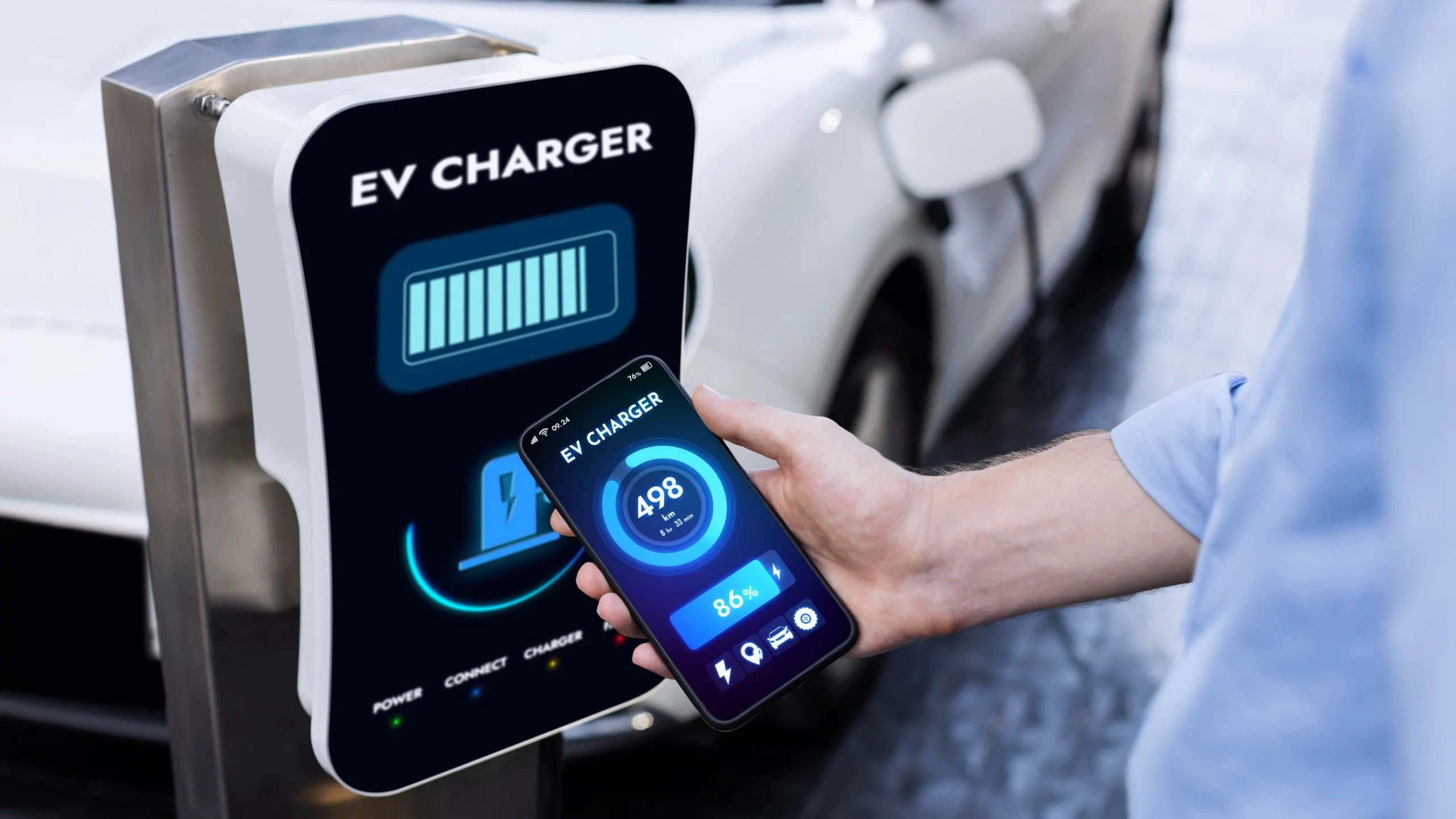
India’s electric vehicle journey has moved well beyond early experimentation. By 2026, electric two-wheelers crowd city streets, fleet operators are steadily switching to electric, and passenger EV options continue to widen. Behind this visible shift sits a less talked about but crucial component: the Battery Management System (BMS). It acts as the brain of the battery, quietly handling safety, efficiency, and performance. While demand for BMS is climbing quickly, a large portion of advanced electronics and chips still comes from overseas. That gap between demand and domestic capability is shaping how this market evolves over the next decade.
What’s Driving the EV Battery Management System Market in India?
Rising EV Volumes Across Segments
The biggest push is simple: more EVs on the road. Electric scooters dominate urban mobility, but buses and delivery fleets are catching up fast. Each vehicle relies heavily on its battery pack, and without a robust BMS, performance drops or safety risks increase. On the ground, fleet operators often prioritize reliability over upfront cost, which is why they increasingly look for smarter battery systems that can track degradation and prevent unexpected downtime. This shift alone is creating steady demand for more sophisticated BMS solutions.
Evolving Battery Chemistry and Design Needs
Battery technology is not standing still. Many Indian manufacturers have moved toward LFP batteries because they handle heat better and offer longer life cycles. That sounds straightforward, but it complicates BMS design. Different chemistries behave differently under stress, and managing them requires more precise algorithms and monitoring systems. Some startups are even experimenting with software-led BMS platforms that adapt based on usage patterns. In practice, this means a delivery vehicle in Delhi and a personal EV in Bengaluru may need slightly different battery management logic.
Charging Infrastructure and Usage Patterns
Charging networks are expanding, though unevenly. Fast chargers are becoming more common in cities, while slower setups dominate smaller towns. This variation puts pressure on batteries, especially when frequent fast charging is involved. A well-designed BMS helps balance charging speed with long-term battery health. For users, this translates into fewer replacements and better resale value. It may not be obvious to the average driver, but BMS quality often determines how a battery ages over time.
Government-Led Initiatives
Policy support has played a meaningful role, though execution remains mixed. Schemes such as FAME and the Production Linked Incentive for Advanced Chemistry Cells have nudged manufacturers toward local production. There is also a clear push to build a domestic supply chain for batteries and electronics. Still, progress takes time. Setting up semiconductor manufacturing or even scaling precision electronics is not an overnight task. What these policies have done well is create intent and early momentum, encouraging both startups and established players to invest in BMS-related technologies.
Market Competition
Competition in this space feels dynamic rather than crowded. Large global suppliers like Bosch and Continental bring proven technology, but Indian firms are carving out space by focusing on local conditions. Companies such as Tata Elxsi are investing in software-heavy BMS platforms tailored to high temperatures and unpredictable driving patterns. There is also a wave of smaller firms building niche solutions, especially for two-wheelers and commercial fleets. Partnerships are becoming common, with OEMs teaming up with tech providers to speed up development cycles.
High Import Dependency and Technical Challenges
A common challenge is the reliance on imported components, particularly semiconductors and high-precision sensors. Even when BMS design happens locally, key hardware often comes from abroad. This creates cost pressures and leaves manufacturers exposed to supply disruptions. There is also the technical hurdle of designing systems that can handle India’s climate. Heat, dust, and inconsistent charging habits all affect battery behavior. Building a BMS that performs reliably across such conditions is easier said than done.
Future Outlook
Looking ahead, the direction is clear even if the pace may vary. Domestic manufacturing of BMS components will likely expand, supported by policy incentives and growing demand. Software will play a bigger role, with features such as predictive diagnostics and remote monitoring becoming standard. Wireless and modular BMS designs may also gain traction, especially as battery swapping and flexible vehicle platforms become more common. By 2035, India could emerge as a cost-efficient hub for BMS solutions, particularly for markets with similar climate and usage conditions. That said, success will depend on how quickly the country reduces its reliance on imported electronics.
Consultants at Nexdigm, in their latest publication “India EV Battery Management System Market Outlook to 2035”, suggest that companies should focus on localizing critical components while strengthening software capabilities. Building solutions tailored to Indian conditions, rather than adapting global designs, will likely separate long-term winners from the rest.
To take the next step, simply visit our Request a Consultation page and share your requirements with us.
Harsh Mittal
+91-8422857704