
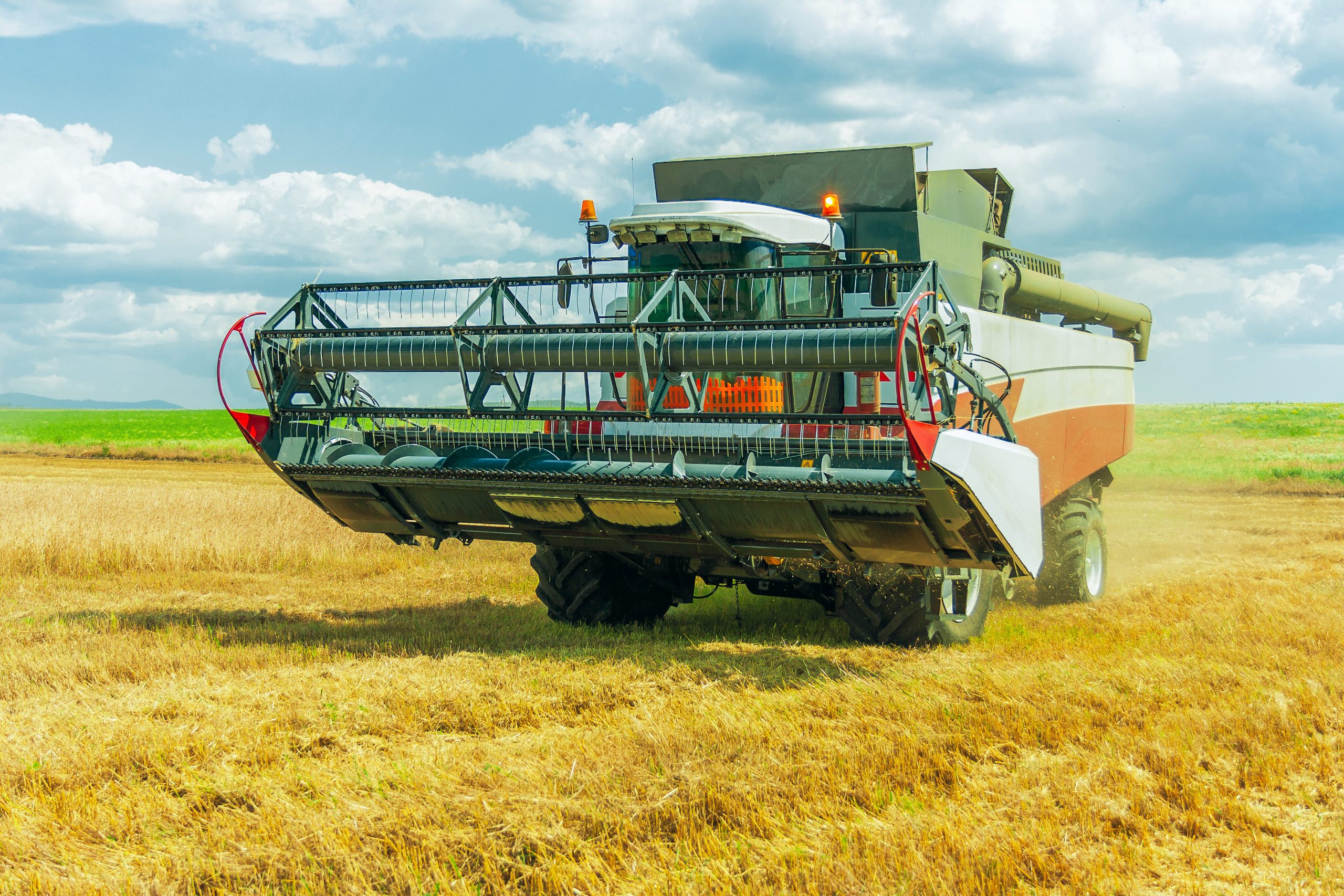
The India agricultural machinery market is witnessing a structural transformation as farm mechanization accelerates across key agrarian states. Combine harvesters, once limited to large farms in Punjab and Haryana, are increasingly penetrating eastern and southern regions due to labor shortages, rising cultivation costs, and government-backed mechanization programs. As of 2026, India remains one of the largest producers of rice and wheat globally, creating sustained demand for efficient harvesting solutions. However, the market continues to face regional imbalances, fragmented landholdings, and moderate import reliance for high-horsepower and specialized harvesting equipment. Over the next decade, policy support, custom hiring models, and technological integration are expected to shape the India combine harvester market outlook to 2035.
What’s Driving the Combine Harvester Market in India?
Rising Agricultural Output and Labor Shortages
India’s consistent growth in foodgrain production is a primary demand driver. States such as Punjab, Haryana, Uttar Pradesh, Madhya Pradesh, and Telangana are witnessing higher adoption of combine harvesters to reduce post-harvest losses and improve operational efficiency. Simultaneously, rural labor migration toward urban centers has created acute seasonal labor shortages during peak harvesting periods. This shift is compelling farmers to transition from manual harvesting and reapers to mechanized combine systems.
Custom Hiring Centers and Rental Models
Small and marginal farmers constitute over 80% of India’s farming community, making outright ownership of combine harvesters economically unviable for many. As a result, Custom Hiring Centers (CHCs) and cooperative societies are playing a crucial role in improving accessibility. These centers enable farmers to rent combine harvesters on a per-acre basis, lowering capital barriers while supporting mechanization growth. The rental ecosystem is expanding rapidly across Bihar, Odisha, and West Bengal, unlocking demand in non-traditional markets.
Technological Advancements and Crop Diversification
Manufacturers are introducing multi-crop combine harvesters capable of handling wheat, rice, maize, pulses, and oilseeds. Integration of GPS-based monitoring, yield mapping, telematics, and fuel-efficient engines is gradually gaining traction among progressive farmers. Additionally, straw management systems are being adopted to address stubble burning concerns, particularly in northern India. Such innovations are enhancing productivity while aligning with sustainability objectives.
Government-Led Initiatives Supporting Mechanization
The Indian government continues to promote farm mechanization under the Sub-Mission on Agricultural Mechanization (SMAM). Financial assistance ranging from 40–50% subsidies on agricultural machinery, including combine harvesters, has supported adoption among farmer producer organizations (FPOs) and cooperatives. Schemes promoting crop residue management in Punjab, Haryana, and Uttar Pradesh have further incentivized the deployment of combine harvesters equipped with Super Straw Management Systems (Super SMS). In addition, state governments are expanding farm equipment banks to increase last-mile access. These measures are expected to strengthen mechanization penetration beyond the traditionally mechanized northern belt.
Market Competition and Manufacturing Landscape
The India combine harvester market is moderately consolidated, with domestic manufacturers holding a significant share. Key players include Mahindra & Mahindra, Escorts Kubota Limited, Preet Agro Industries, and CLAAS India. Mahindra & Mahindra continues to expand its farm machinery portfolio, leveraging its strong rural distribution network. Escorts Kubota Limited benefits from technology partnerships and product diversification across tractor and harvesting segments. Preet Agro Industries has established a strong presence in North India, particularly in self-propelled combines. Meanwhile, CLAAS India, a subsidiary of the German harvesting specialist, focuses on high-performance and technologically advanced combine harvesters tailored for Indian crop conditions.
Fragmented Landholdings
India’s agricultural landscape is characterized by highly fragmented and small landholdings, with a majority of farmers operating on less than two hectares. Such limited farm sizes reduce the economic feasibility of investing in high-capacity, self-propelled combine harvesters, which are better suited for large, contiguous fields. As a result, ownership demand remains constrained, particularly among small and marginal farmers. This structural challenge increases dependence on Custom Hiring Centers, cooperative societies, and rental-based mechanization models to ensure timely and cost-effective harvesting operations.
Future Outlook
The India combine harvester market is expected to witness steady expansion through 2035, driven by mechanization penetration in eastern states, rising labor costs, and increasing crop diversification. By 2035, mechanized harvesting is projected to cover a significantly higher share of wheat and paddy acreage, particularly in states such as Bihar, West Bengal, Chhattisgarh, and Assam. Technological integration, including IoT-enabled fleet monitoring and precision agriculture tools, is likely to become more mainstream among large farmers and agribusinesses. Additionally, export opportunities to Southeast Asia and Africa are expected to strengthen as Indian manufacturers scale production and improve cost competitiveness.
Consultants at Nexdigm, in their latest publication “India Combine Harvester Market Outlook to 2035”, analyzed the market by Type (Self-Propelled Combine Harvesters, Tractor-Mounted Combine Harvesters), By Crop Type (Wheat, Rice, Maize, Pulses, Oilseeds), and By Region (North India, South India, East India, West India). Nexdigm believes that businesses should prioritize localized manufacturing, expansion of rental ecosystems, and integration of smart harvesting technologies to capture long-term growth opportunities in India’s evolving agricultural mechanization landscape.
To take the next step, simply visit our Request a Consultation page and share your requirements with us.
Harsh Mittal
+91-8422857704