
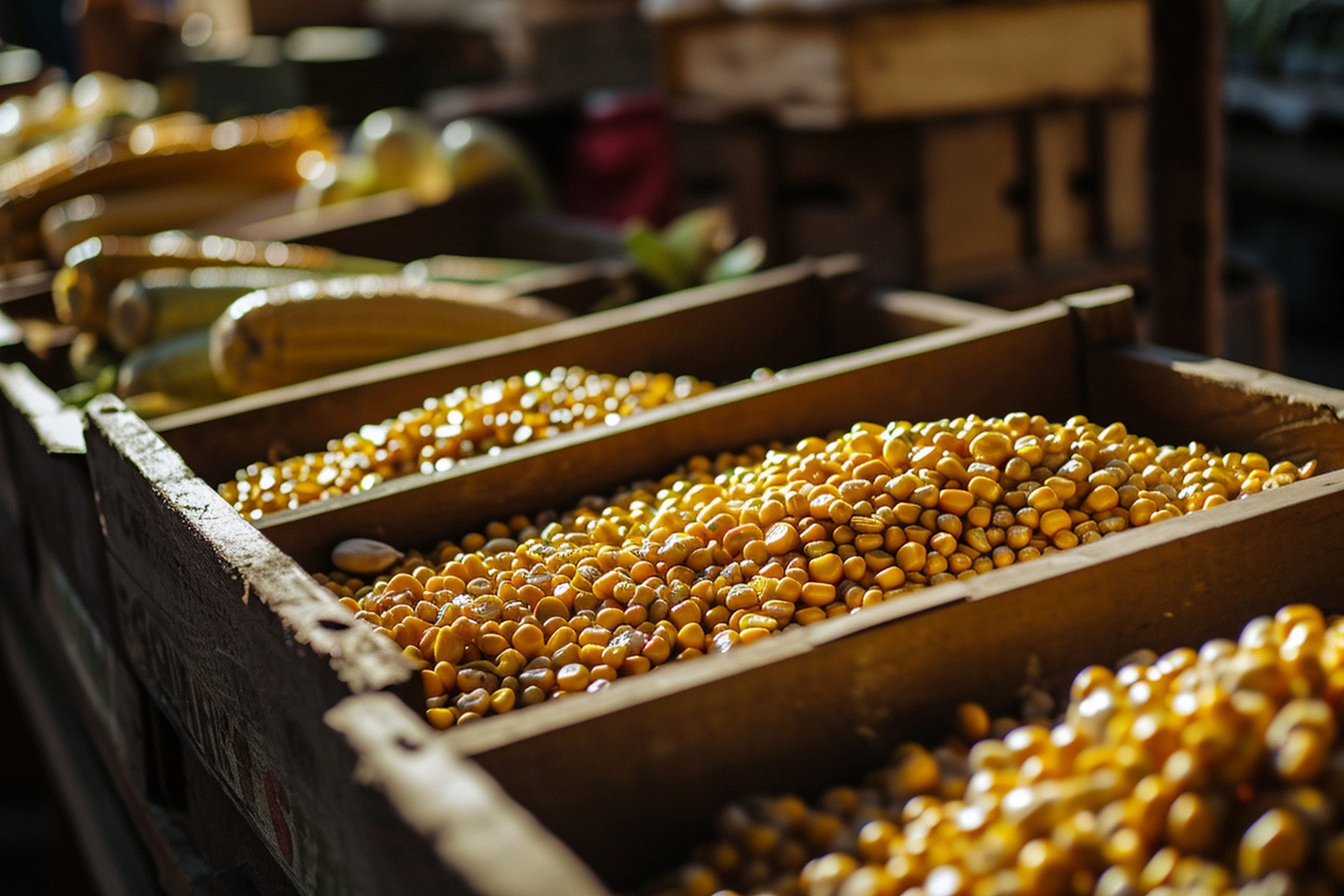
The India corn seed market is going through a structural shift as rising feed demand, bioethanol blending targets, and the push for higher farm productivity reshape cropping patterns across key maize belts such as Madhya Pradesh, Karnataka, Maharashtra, Bihar, and Telangana. As of 2025, India remains one of the world’s largest maize producers, with corn increasingly positioned as a strategic crop for food, feed, and industrial use. However, yield gaps persist due to fragmented landholdings, climate variability, and uneven adoption of quality seed. The market is witnessing steady penetration of hybrid corn seeds, supported by private-sector R&D, improved distribution networks, and growing awareness among farmers about yield stability and disease resistance. India is not just expanding maize acreage but actively transitioning toward higher-value, performance-driven seed solutions through 2035.
What’s Driving the Corn Seed Market in India?
Rising Demand from Poultry Feed and Ethanol Blending
The rapid growth of India’s poultry and livestock sectors is significantly increasing demand for maize as a key feed ingredient. At the same time, India’s ethanol blending program is expanding the use of maize as a feedstock alongside sugarcane and surplus rice. This dual demand from feed and biofuel is incentivizing farmers to shift acreage toward maize, particularly in rainfed regions where corn offers relatively better returns and drought tolerance compared to water-intensive crops. As a result, demand for high-yielding and early-maturing corn hybrids is accelerating.
Yield Gap Reduction Through Hybrid and Stress-Tolerant Seeds
India’s average maize yield continues to trail leading global producers due to dependence on traditional varieties, pest pressure (notably fall armyworm), and climatic stress. Seed companies are introducing hybrids with better drought tolerance, heat resilience, and resistance to major pests and diseases. The adoption of single-cross hybrids is improving yield consistency, especially in commercial maize belts supplying poultry feed mills and starch processors. Demonstration plots, farmer field days, and digital advisory platforms are further supporting the shift toward performance seeds.
Expanding Processing Industry and Contract Farming
The growth of maize-based processing industries—starch, sweeteners, edible oil derivatives, and ethanol—is creating localized demand clusters near processing plants. Contract farming models and buy-back arrangements are emerging in select states, encouraging farmers to adopt certified hybrids with predictable quality parameters such as higher starch content and uniform grain size. This integration of upstream seed choices with downstream processing requirements is strengthening the organized segment of the corn seed market.
Government-Led Initiatives Supporting Seed Adoption
The Indian government’s focus on boosting farmer incomes, improving seed quality, and expanding ethanol blending is indirectly strengthening demand for high-performance corn seeds. Initiatives promoting certified seed usage, strengthening seed certification infrastructure, and expanding irrigation coverage in maize-growing belts are improving adoption rates of hybrids. Additionally, climate-resilient agriculture programs and crop diversification incentives are encouraging farmers in water-stressed regions to shift from paddy to maize, supporting long-term growth in the corn seed market.
Market Competition and Innovation Landscape
The India corn seed market is moderately competitive, with a mix of multinational seed companies and strong domestic players driving hybrid innovation. Key players include Bayer CropScience, Corteva Agriscience, Syngenta Group, Kaveri Seed Company, Mahyco, and Rasi Seeds. These companies are investing in region-specific hybrids tailored for kharif and rabi seasons, with traits focused on yield stability, lodging resistance, and pest tolerance. Partnerships with local distributors and agri-input retailers are strengthening last-mile reach, while digital platforms are improving farmer engagement and product awareness.
Fragmented Distribution and Climate Volatility
Despite rising hybrid adoption, market penetration remains uneven due to fragmented distribution networks, price sensitivity among smallholder farmers, and limited access to credit in rainfed regions. Climate volatility—erratic monsoons, heat stress, and pest outbreaks—continues to impact seed performance perception and farmer trust. Additionally, regulatory scrutiny around genetically modified crops limits the introduction of advanced biotech traits, placing greater pressure on conventional breeding to deliver productivity gains.
Future Outlook
The India corn seed market is expected to grow steadily through 2035, driven by rising feed demand, ethanol blending targets, and crop diversification away from water-intensive staples. By 2035, hybrid seed penetration is expected to exceed 85% in major commercial maize belts, with greater uptake of climate-resilient and early-maturing hybrids. The market will become more regionally specialized, with tailored seed portfolios for rainfed, irrigated, and high-input commercial farming systems. Digital advisory, traceable seed distribution, and bundled input financing are expected to improve farmer confidence and accelerate adoption.
Consultants at Nexdigm, in their latest publication “India Corn Seed Market Outlook to 2035”, analyzed the market by Seed Type (Hybrid Seeds, Open-Pollinated Varieties), By Trait (Conventional, Stress-Tolerant, Pest-Resistant), By Application (Feed Maize, Food Maize, Industrial Maize), and By Distribution Channel (Direct-to-Farmer, Agri-Input Retailers, Cooperatives, Digital Platforms). Nexdigm believes that businesses should prioritize region-specific hybrid development, strengthen last-mile distribution and farmer education, and align seed portfolios with ethanol and feed demand clusters to capture long-term growth in India’s evolving maize ecosystem.
To take the next step, simply visit our Request a Consultation page and share your requirements with us.
Harsh Mittal
+91-8422857704