
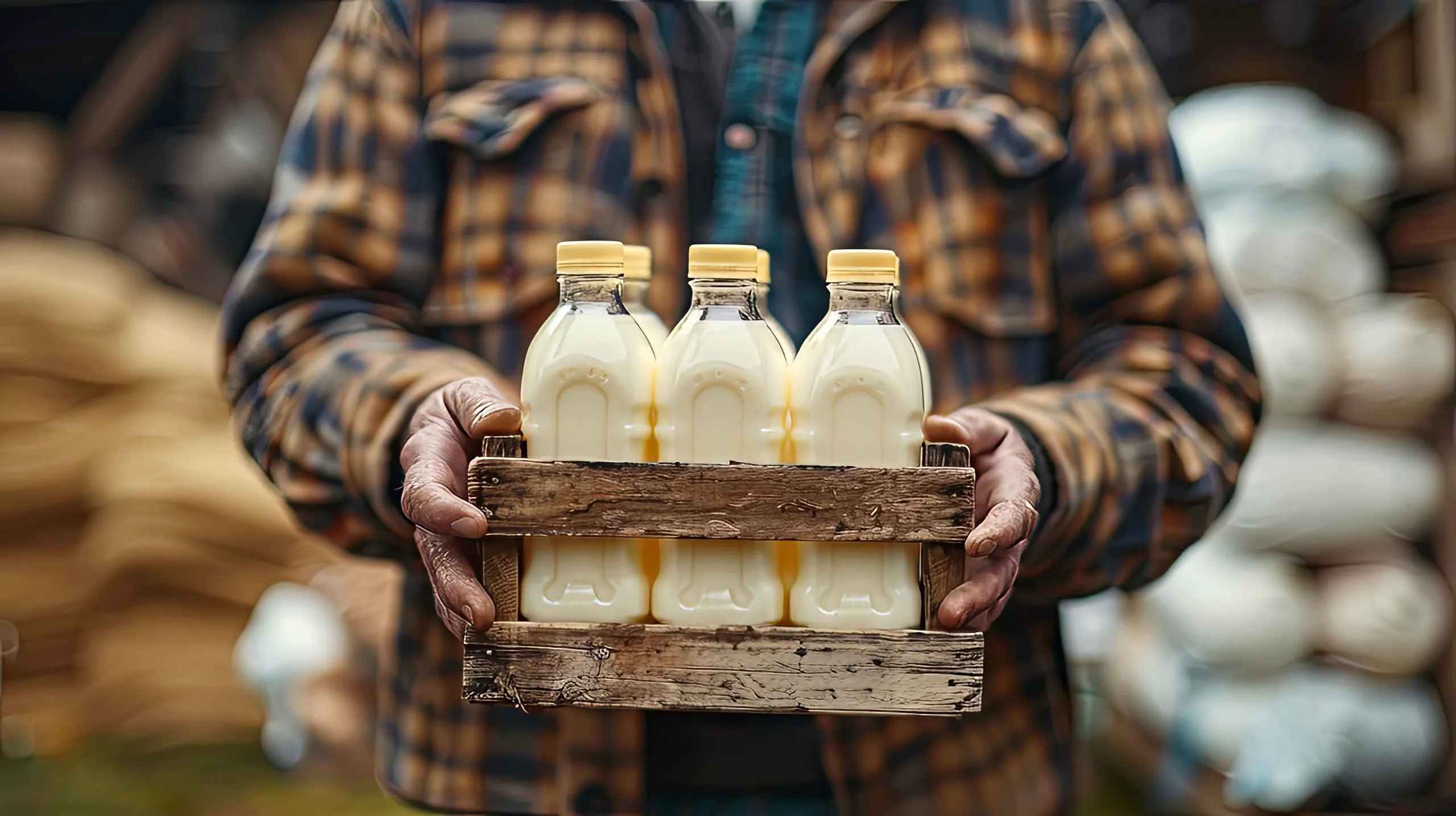
The India dairy alternatives market is expanding as consumers increasingly explore plant-based, lactose-free, vegan, and flexitarian food choices. While conventional dairy remains deeply embedded in Indian diets, products such as soy milk, almond milk, oat drinks, coconut-based beverages, dairy-free desserts, and vegan yogurts are gaining visibility. India’s plant-based dairy products market is valued at around USD 2.5 billion and is projected to reach USD 4.9 billion, supported by health awareness, digestive concerns, urban lifestyles, and wider online and modern retail availability.
Key Market Drivers, Health and Lifestyle Shifts
Rising Demand for Lactose-Free and Health-Focused Products
A growing number of Indian consumers are choosing dairy alternatives due to lactose intolerance, digestive discomfort, vegan preferences, and interest in lighter nutrition. Plant-based milk, yogurt, cheese, desserts, and creamers are increasingly used in breakfast, smoothies, coffee, baking, and snacking. Fortified products with calcium, vitamins, and protein are also helping improve consumer trust and nutritional relevance.
Expanding Urban Retail and Café Culture
Modern retail, e-commerce platforms, cafés, cloud kitchens, and quick-service restaurants are making dairy alternatives more accessible. India’s plant-based milk market is estimated at around USD 857.7 million and is projected to reach USD 1.83 billion, indicating strong category potential. Barista-style oat and almond drinks are gaining attention in coffee-led consumption, while online platforms help smaller plant-based brands reach consumers beyond premium supermarket shelves.
Localized Product Innovation
Brands are experimenting with soy, almond, oat, coconut, cashew, pea, and millet-based formulations to suit Indian tastes and price points. Local flavors, better texture, affordable pack sizes, and improved taste will be important for encouraging wider adoption.
Government Support, Food Safety, Labelling, and Plant-Based Innovation
Government support is mainly linked to food safety, nutrition labelling, start-up innovation, food processing, and sustainable food systems. India’s food regulations require clear ingredient disclosure, allergen information, and quality standards, helping consumers compare dairy and plant-based alternatives more confidently. Broader support for millets, plant proteins, local manufacturing, and food-tech innovation can indirectly benefit dairy alternative brands. As nutrition and sustainability gain policy attention, plant-based food companies may benefit from a more supportive ecosystem.
Competitive Landscape of the India Dairy Alternatives Market
The India dairy alternatives market includes plant-based start-ups, health-focused food brands, private-label companies, food and beverage players, and traditional dairy businesses exploring alternative formats. Competition is shaped by taste, texture, nutrition claims, pricing, shelf life, packaging, and distribution reach. Soy and almond products remain familiar, while oat, coconut, millet, and cashew-based options are gaining visibility. Brands that combine local flavors, clean-label positioning, affordable pricing, and strong online availability are better placed to build repeat purchases.
Key Challenges Impacting the India Dairy Alternatives Market
Higher Pricing Limits Wider Adoption
Dairy alternatives are often priced higher than conventional dairy products, which can restrict adoption among value-conscious Indian consumers. Premium products may perform well in metro cities, but broader market growth will require smaller packs, competitive pricing, and clearer value communication.
Taste and Nutrition Expectations Need Improvement
Many consumers still compare plant-based products directly with milk, curd, paneer, and cheese. Concerns around taste, protein content, additives, and performance in tea, coffee, and cooking can slow repeat purchases.
Future Outlook
The India dairy alternatives market is expected to grow steadily as plant-based products become more affordable, accessible, and suited to Indian eating habits. Future opportunities will likely come from fortified plant-based milk, dairy-free yogurts, vegan desserts, barista-style beverages, and products made with locally relevant ingredients such as millet, coconut, soy, and cashew. E-commerce, modern retail, cafés, and health-focused brands will remain important channels. Companies that balance taste, nutrition, pricing, and familiar usage occasions are likely to capture stronger long-term growth.
Consultants at Nexdigm, in their latest publication “India dairy alternatives market outlook to 2035,” analyze the sector By Product Type (Shelf Presence, SKU Penetration, Household Adoption Rate), By Source Type (Protein Content, Processing Efficiency, Nutritional Profile)
Nexdigm suggests that businesses should prioritize affordable plant-based formulations, localized flavors, stronger nutrition claims, and wider retail and e-commerce distribution to capture growth in India’s dairy alternatives market.
To take the next step, simply visit our Request a Consultation page and share your requirements with us.
Harsh Mittal
+91-8422857704