
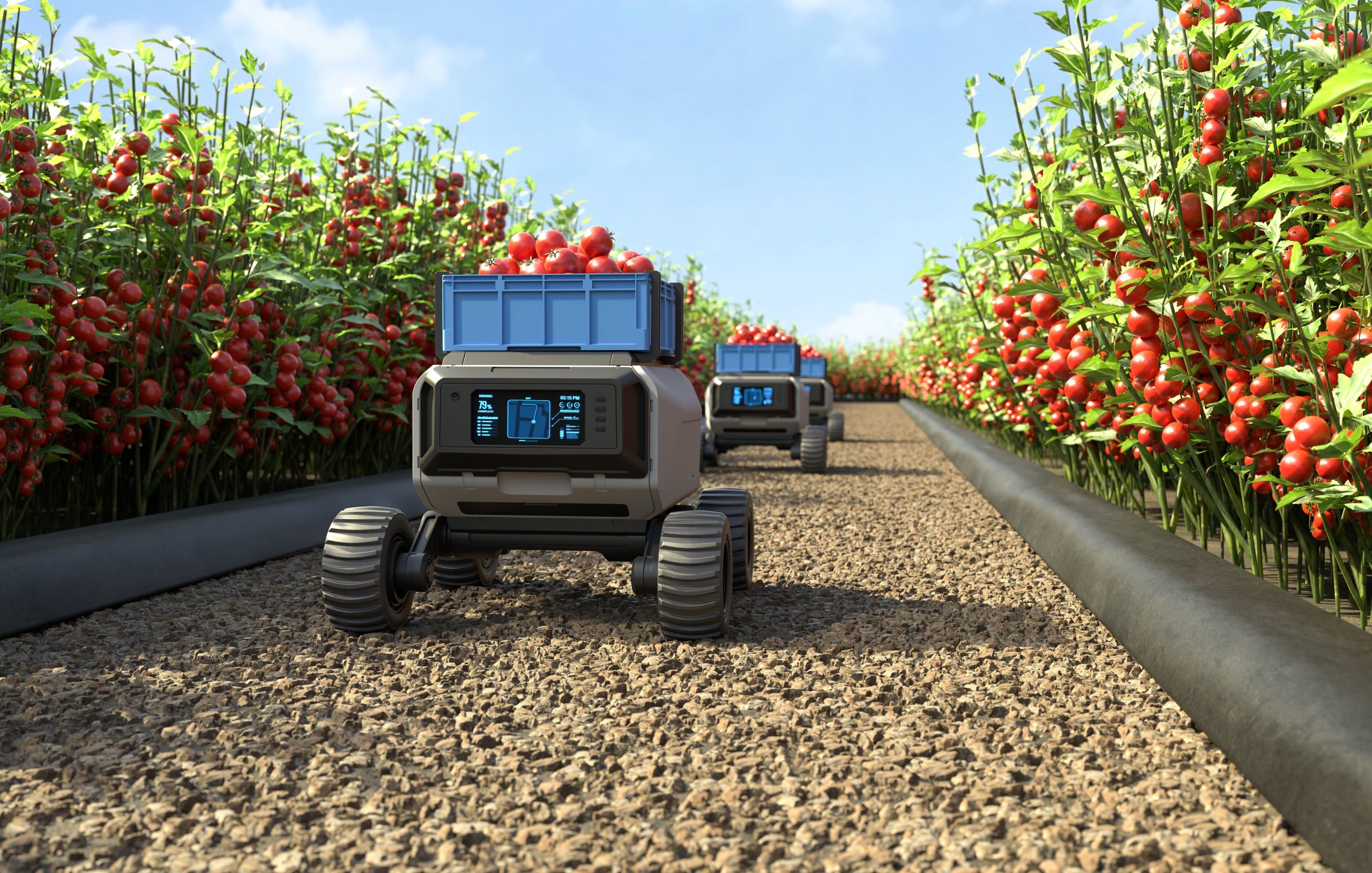
The India electric tractor and autonomous farm equipment market is entering a transformative phase as the country accelerates agricultural mechanization and sustainability efforts. As of 2026, India remains one of the world’s largest tractor markets by volume, yet electric tractors account for a small but rapidly expanding share of total sales. Rising fuel costs, increasing labor shortages in rural areas, and stronger policy focus on clean energy adoption are reshaping farm mechanization trends. While diesel tractors continue to dominate, domestic manufacturers and agri-tech startups are actively developing electric and semi-autonomous platforms tailored for Indian farm sizes. By 2030, India is expected to emerge as a key production and innovation hub for electric and autonomous farm equipment in Asia.
What’s Driving the Electric and Autonomous Farm Equipment Market in India?
Rising Fuel Costs and Total Cost of Ownership Advantages
The volatility in diesel prices and increasing awareness around operating costs are pushing farmers to explore electric alternatives. Electric tractors offer lower running and maintenance costs due to fewer moving parts and reduced dependence on fuel. For small and marginal farmers, who constitute a large share of India’s agricultural base, lower lifecycle costs are becoming a decisive factor. Battery-powered tractors are particularly suitable for orchards, vineyards, and small landholdings where operating hours are moderate and charging infrastructure can be localized.
Labor Shortages and Precision Agriculture Adoption
Rural-to-urban migration has led to seasonal labor shortages in several agricultural states. Autonomous and semi-autonomous equipment equipped with GPS guidance, IoT sensors, and remote monitoring capabilities are helping farmers address workforce constraints. Precision agriculture technologies integrated with tractors enable optimized seed placement, fertilizer usage, and spraying operations, improving productivity while reducing input costs. As digital literacy and smartphone penetration increase in rural India, the adoption of connected farm equipment is gaining momentum.
Growing Climate and Sustainability Commitments
India’s broader climate goals and emphasis on reducing carbon emissions are influencing farm mechanization strategies. Electric tractors align with clean energy objectives and can be powered through renewable energy sources such as solar-based charging systems deployed in rural clusters. This integration supports both decarbonization and energy independence at the farm level.
Government-Led Initiatives Supporting Clean Mechanization
The Indian government has introduced multiple schemes promoting farm mechanization and electric mobility. Subsidies under agricultural mechanization programs, state-level incentives for electric vehicles, and financial assistance through NABARD-supported schemes are encouraging farmers to consider electric tractors. Several states are piloting electric farm equipment procurement programs and offering capital subsidies for battery-powered machinery. In parallel, the government’s focus on digital agriculture through initiatives such as the Digital Agriculture Mission is facilitating the integration of data-driven tools and smart farming solutions. These measures are expected to create a supportive ecosystem for autonomous and AI-enabled farm machinery by 2030.
Market Competition and Innovation Landscape
The competitive landscape is evolving with participation from established tractor manufacturers and emerging agri-tech startups. Companies such as Mahindra & Mahindra and TAFE are investing in electric and smart tractor platforms to strengthen their domestic and export portfolios. Meanwhile, startups like AutoNxt Automation are developing fully electric tractors designed specifically for Indian soil conditions and small farms. Global agricultural equipment leaders such as John Deere are also advancing autonomous tractor technologies, influencing innovation benchmarks in the Indian market. Strategic collaborations between OEMs, battery manufacturers, and agri-tech firms are accelerating product development and pilot deployments across progressive farming regions including Punjab, Maharashtra, and Karnataka.
High Initial Costs and Infrastructure Gaps
Despite strong growth prospects, the market faces notable challenges. Electric tractors currently involve higher upfront costs compared to conventional diesel models, primarily due to battery expenses. Limited rural charging infrastructure and concerns around battery life and resale value also impact purchase decisions. Autonomous equipment adoption is further constrained by fragmented landholdings and varying levels of digital infrastructure across states. Farmers require training and technical support to effectively operate and maintain advanced machinery, highlighting the need for strong after-sales service networks.
Future Outlook
The India electric tractor and autonomous farm equipment market is expected to witness accelerated growth through 2030, driven by falling battery prices, improved financing models, and supportive government policies. By 2030, electric tractors could account for a meaningful share of new compact tractor sales, particularly in the sub-50 HP category. Semi-autonomous features such as auto-steering, remote diagnostics, and AI-based farm analytics are likely to become increasingly common across mid-range tractors. India is also poised to position itself as an export base for affordable electric tractors targeting emerging markets in Southeast Asia and Africa. Localized manufacturing, coupled with advancements in battery technology and software integration, will strengthen competitiveness.
Consultants at Nexdigm, in their latest publication “India Electric Tractor & Autonomous Farm Equipment Market Outlook to 2030”, analyzed the market by Horsepower (Below 30 HP, 30–50 HP, Above 50 HP), By Propulsion Type (Battery Electric, Hybrid), By Automation Level (Manual, Semi-Autonomous, Fully Autonomous), and By Application (Row Crops, Orchards & Vineyards, Horticulture, Plantation Crops). Nexdigm believes that businesses should prioritize cost optimization, localized battery manufacturing, robust charging ecosystems, and AI-driven precision farming capabilities to unlock long-term growth opportunities in India’s evolving farm mechanization landscape.
To take the next step, simply visit our Request a Consultation page and share your requirements with us.
Harsh Mittal
+91-8422857704