
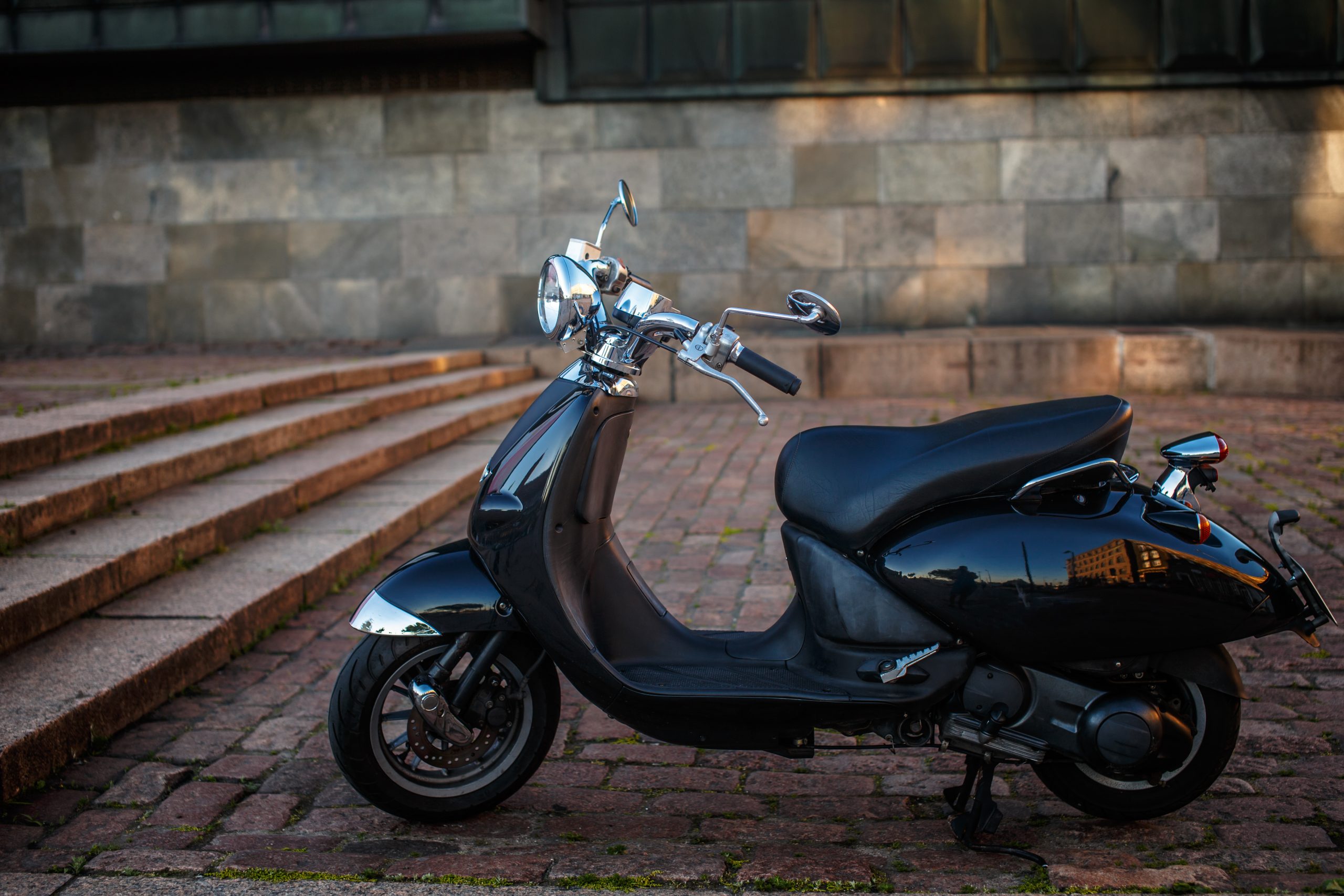
India’s electric two-wheeler battery market is entering a significant growth phase, supported by rising electric scooter adoption, increasing fuel prices, technological advancements and government initiatives promoting sustainable mobility. Batteries represent a critical component of electric two-wheelers, influencing vehicle pricing, driving range, charging time, safety and overall performance. The market is witnessing increasing demand for lithium-ion battery technologies, particularly Lithium Iron Phosphate (LFP) and Nickel Manganese Cobalt (NMC). With domestic manufacturing capabilities expanding, India is positioned to become an important hub for electric two-wheeler battery production and innovation by 2035.
Key Market Drivers Affecting India’s Electric Two- Wheeler Industry
Rising Electric Two-Wheeler Sales Accelerate Battery Demand
The growing adoption of electric scooters and motorcycles is one of the primary drivers of India’s battery market. Increasing consumer awareness, lower operating costs and growing demand for affordable urban mobility are encouraging consumers to transition from conventional petrol-powered vehicles. According to government data, India recorded approximately 11.49 lakh electric two-wheeler sales in FY 2024–25, representing 21% growth compared with FY 2023–24. Electric two-wheelers also accounted for approximately 59% of India’s total EV sales during FY 2024–25. This expanding vehicle base is directly increasing demand for battery packs, replacement batteries and associated battery management systems.
Lithium-Ion Battery Innovations Improve Performance and Efficiency
Continuous improvements in battery technology are supporting market expansion. Lithium-ion batteries have become the preferred choice because of their higher energy density, lighter weight, faster charging capabilities and longer operating life compared with conventional lead-acid batteries. LFP batteries are gaining attention because of their thermal stability, safety and durability, while NMC batteries remain relevant for applications requiring higher energy density and extended driving range. Manufacturers are also investing in advanced battery management systems, thermal management solutions and modular battery designs to improve efficiency, reliability and performance.
Commercial EV Fleets and Battery Swapping Create New Growth Opportunities
The expansion of e-commerce, food delivery, hyperlocal logistics and shared mobility services is creating additional demand for electric two-wheeler batteries. Fleet operators increasingly prefer electric vehicles because of their comparatively lower operating and maintenance costs. These commercial applications require batteries capable of frequent charging cycles and intensive daily usage. Battery swapping is also emerging as an alternative to conventional charging, particularly for delivery fleets and high-utilisation vehicles. The development of standardized battery packs and swapping networks is expected to create further opportunities for battery manufacturers.
Government Support towards India’s Electric Two Wheeler Industry
The Indian government is supporting electric mobility and domestic battery manufacturing through several policy initiatives. The PM E-DRIVE scheme promotes EV adoption through financial incentives and charging infrastructure development. The earlier FAME-II scheme supported approximately 14.35 lakh electric two-wheelers by June 2025. Additionally, the Production Linked Incentive (PLI) scheme for Advanced Chemistry Cell (ACC) battery storage has an approved outlay of ₹18,100 crore to encourage domestic battery manufacturing with a targeted capacity of 50 GWh. These initiatives are strengthening India’s battery supply chain and reducing dependence on imports.
Competitive Landscape of India’s Electric Two Wheeler Industry
The Indian electric two-wheeler battery market comprises established automotive manufacturers, EV startups, battery producers and technology suppliers. Key participants include Ola Electric, Ather Energy, TVS Motor Company, Bajaj Auto, Hero MotoCorp, Exide Industries and Amara Raja Energy & Mobility. Competition is increasingly focused on battery performance, safety standards, charging speed, cost efficiency and domestic sourcing. Manufacturers are investing in battery pack assembly, cell manufacturing, research and development, and strategic partnerships to strengthen their market positions.
Market Challenges Faced Within India’s Electric Two- Wheeler Industry
Raw Material Import Dependence Increases Battery Production Costs
India remains dependent on international supply chains for important battery materials, including lithium, cobalt and nickel. Fluctuations in raw material prices and global supply disruptions can increase battery manufacturing costs and affect vehicle affordability.
Battery Safety Concerns and Recycling Gaps Challenge Market Expansion
Thermal runaway risks, battery degradation and inconsistent product quality remain important concerns. Additionally, limited battery recycling facilities and the absence of fully standardized battery swapping ecosystems create operational challenges. Manufacturers must invest in improved thermal management, safety testing, quality control and end-of-life battery management to ensure sustainable growth.
Future Outlook
The India electric two-wheeler battery market is expected to experience substantial growth through 2035, driven by increasing EV penetration, domestic battery manufacturing and continuous technological innovation. According to a Credence Research estimate, the Indian EV two-wheeler battery pack market was valued at approximately USD 610 million in 2025 and is projected to reach USD 2.46 billion by 2035, registering a CAGR of around 15% during 2026–2035. The adoption of advanced battery chemistries, localized supply chains, battery recycling and swapping technologies will shape the industry’s long-term growth.
Consultants at Nexdigm, in their latest publication “India Electric Two Wheeler Battery Market Outlook to 2035,” analyze the sector by By Battery Chemistry Type (Lithium Iron Phosphate (LFP), Nickel Manganese Cobalt (NMC), Sodium-Ion Technology, Solid State Prototypes), By Vehicle Application Segment (High-Speed Electric Scooters, Electric Delivery Motorcycles, E-Rickshaw Battery Modules, Last-Mile Cargo E-Trikes), and By Geographic Region (Karnataka Bengaluru Hub, Maharashtra Pune Cluster, Tamil Nadu Chennai Industrial Corridor, Haryana NCR Region).
Nexdigm suggests that businesses in India Electric Two Wheeler Battery Market should focus on strengthening domestic battery manufacturing capabilities, investing in advanced lithium-ion technologies, developing strategic partnerships for raw material sourcing, and expanding battery recycling and swapping infrastructure. Companies should also prioritize battery safety, cost optimization and regional market expansion to capitalize on India’s growing electric mobility ecosystem.
To take the next step, simply visit our Request a Consultation page and share your requirements with us.
Harsh Mittal
+91-8422857704