
India’s electric vehicle market has moved well beyond the “future opportunity” stage and is now shaping up as one of the country’s most important mobility transitions. By 2025, EVs accounted for nearly 8% of total vehicle registrations, with annual sales crossing 2 million units, according to Vahan data and government disclosures. What stands out is that adoption in India is not being led by premium cars, as seen in some Western markets, but by practical, cost-sensitive segments such as two-wheelers and three-wheelers. That says a lot about how the Indian market works in real life. For most buyers, the EV decision is not about sustainability first – it is about operating cost, fuel savings, and daily utility. With battery costs gradually easing, policy support staying intact, and urban transport needs changing fast, the market is now entering a more serious phase of expansion.
What’s Driving the Electric Vehicle Market in India?
Strong Growth in Two- and Three-Wheeler Electrification
The biggest momentum still comes from electric two-wheelers and three-wheelers. This is where the economics are the clearest. A delivery rider in Bengaluru or a passenger e-rickshaw operator in Lucknow can often recover the higher upfront cost of an EV through lower fuel and maintenance expenses within a relatively short period. That kind of use-case clarity matters more than marketing. It is one reason why these segments continue to dominate EV volumes in India.
Rising Charging Infrastructure and Urban Mobility Demand
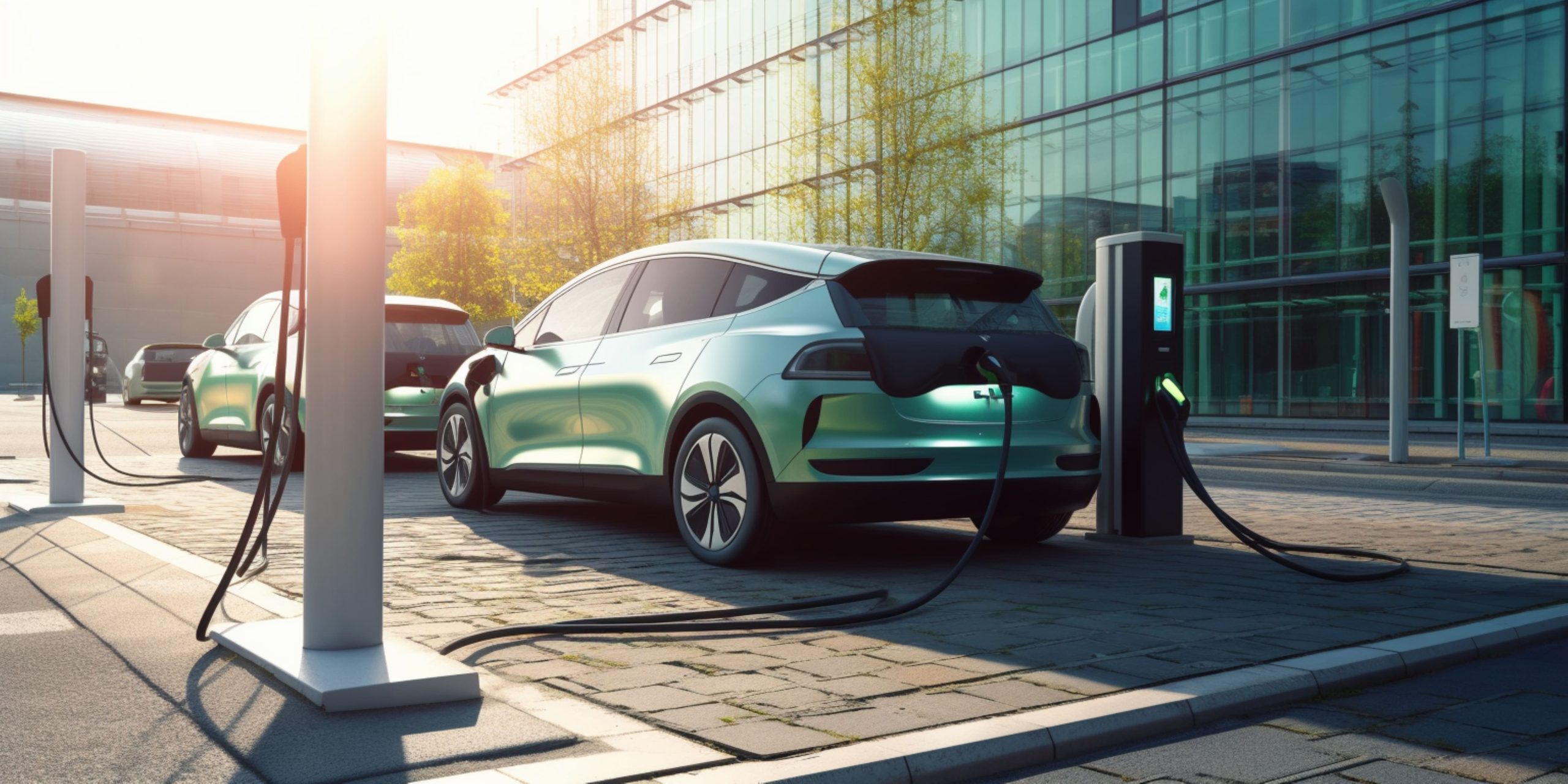
Charging access is also improving, though not evenly. Large cities such as Delhi, Mumbai, Bengaluru, and Hyderabad have seen better rollout of public charging points, while many smaller cities still rely heavily on home or depot charging. In practice, this means EV adoption works best where usage patterns are predictable. Fleet operators, logistics firms, and urban commuters are far more comfortable making the switch than buyers who regularly travel long distances without route certainty. That uneven infrastructure story is still one of the market’s defining realities.
Corporate Fleet Electrification and Premium EV Launches
Passenger electric cars are picking up too, but the segment is maturing in a more cautious way. Buyers are becoming less experimental and more demanding. They want real range, charging convenience, service support, and resale confidence – not just a flashy launch. The growing popularity of electric SUVs and fleet-oriented passenger EVs suggests the market is gradually moving from early adoption to informed purchasing.
Government-Led Initiatives
Policy support has played a bigger role in India than many people admit. Without incentives, EV adoption would almost certainly have been slower, especially in mass-market categories. The PM E-DRIVE scheme, which replaced earlier subsidy frameworks, has continued to support electric two-wheelers, three-wheelers, buses, trucks, and charging infrastructure. It gives manufacturers and buyers a degree of confidence that the category is not being left to market forces alone. At the same time, the government has tried to address the supply side through PLI schemes for advanced chemistry cells and automotive components. The broader intention is clear: India does not just want to assemble EVs; it wants more of the value chain at home. That ambition is sensible, but execution remains uneven.
Market Competition
Competition in the India EV market has become far more intense than it was just a few years ago. In electric passenger vehicles, Tata Motors still holds a strong position, but Mahindra and JSW MG Motor India are pushing aggressively with newer launches and larger vehicle formats. In electric two-wheelers, the market has become especially crowded. Ola Electric, TVS Motor Company, Bajaj Auto, and Ather Energy are all fighting for scale, but the battle is no longer just about product design or app-based features. On the ground, dealer reach, service reliability, spare parts availability, and financing options are becoming just as important as battery range. That is often where legacy players have an edge over newer entrants. Consumers may like innovation, but they trust support when something goes wrong.
High Import Dependency and Supply Chain Gaps
One of the biggest weaknesses in India’s EV market is that too much of the high-value technology still comes from outside the country. Battery cells, power electronics, semiconductors, and several critical raw materials remain heavily import-dependent. That leaves manufacturers exposed to global price swings, geopolitical disruptions, and currency volatility. Battery assembly in India has improved, but cell manufacturing has not scaled at the pace policymakers originally hoped for. A common challenge is that local manufacturing requires not just subsidies, but long-term competitiveness, reliable demand, and technical depth. Those are harder to build than policy announcements.
Future Outlook
Over the next decade, India’s EV market is likely to deepen rather than simply widen. Two-wheelers and three-wheelers will remain the volume backbone, while electric buses, fleet vehicles, and passenger SUVs should gain more share as charging and financing improve. The real shift by 2035 may not be just higher EV penetration, but a more mature market where buyers compare EVs and internal combustion vehicles on equal footing. That said, growth will not be linear. Charging density, battery localization, and affordability will continue to decide how fast the market moves. If those pieces fall into place, India could become one of the most commercially significant EV markets anywhere – not because it followed the same path as Europe or China, but because it built a model that fits its own roads, consumers, and economics.
Consultants at Nexdigm, in their latest publication “India Electric Vehicle Market Outlook to 2035”, analyzed the market by Vehicle Type (Electric Two-Wheelers, Electric Three-Wheelers, Electric Passenger Vehicles, Electric Buses, Electric Trucks), By Propulsion Technology (Battery Electric Vehicle, Hybrid, Plug-in Hybrid), By Battery Type (Lithium-ion, LFP, NMC, Others), and By End User (Private, Fleet, Commercial, Public Transport). Nexdigm believes that businesses should prioritize localization of batteries and critical components, strengthen charging and after-sales ecosystems, and align product portfolios toward mass-market affordability and fleet electrification.
To take the next step, simply visit our Request a Consultation page and share your requirements with us.
Harsh Mittal
+91-8422857704