
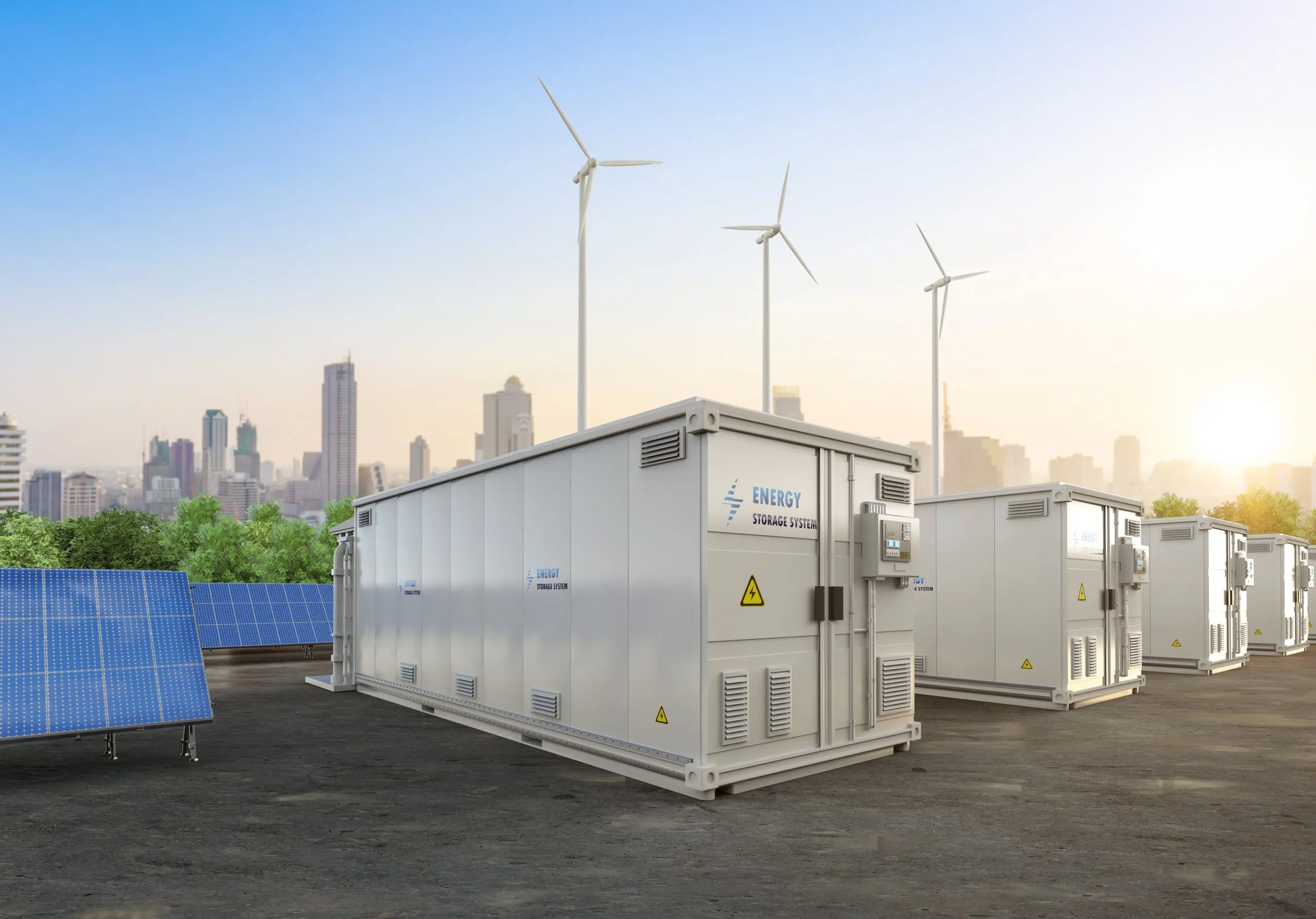
India’s energy storage market is poised for significant growth over the next decade and beyond, driven by the rapid expansion of renewable energy capacity, grid modernization efforts, and rising demand for reliable power in industrial and residential segments. As the country targets 500 GW of renewable energy capacity by 2030, the role of energy storage systems (ESS)—including battery energy storage, pumped hydro storage, and emerging technologies—is becoming central to grid stability and flexibility. Energy storage not only addresses the intermittency of solar and wind generation but also supports peak demand management and enhances energy access in underserved regions.
Key Factors Driving the Growth of India’s Energy Storage Market
Renewable Energy Integration
India’s renewable energy ambitions—anchored by its commitment to expand solar and wind capacity—are major drivers for energy storage adoption. With a growing share of variable renewable energy (VRE) on the grid, the need for storage solutions to smooth generation variability and balance supply-demand dynamics is increasing. Energy storage enables higher renewable penetration by storing excess generation during off-peak periods and discharging during peak demand, improving grid reliability, and reducing curtailment losses.
Grid Reliability and Peak Demand Management
Rapid urbanization and industrial growth are placing pressure on India’s electricity grids, which must manage sharp demand fluctuations on a daily and seasonal basis. Energy storage systems help address these challenges by providing ancillary services such as frequency regulation, voltage support, and black start capability. In markets with time-of-use pricing or peak tariffs, storage can shift load and reduce dependence on expensive peaking plants, lowering overall system costs.
Declining Costs and Technology Advancements
The declining cost curve of lithium-ion batteries and advancements in alternative storage technologies (e.g., flow batteries, compressed air energy storage) are making ESS more commercially viable. Economies of scale, coupled with domestic manufacturing initiatives, are expected to further reduce costs, supporting wider deployment across utility-scale, commercial, and residential segments.
Government Policies and Initiatives Accelerating Energy Storage Adoption
India has introduced policy frameworks and incentives to catalyze energy storage deployment. Measures include supportive regulations from the Ministry of New and Renewable Energy (MNRE), inclusion of storage in Renewable Purchase Obligations (RPO) frameworks, and preferential tariffs. The government’s focus on energy storage manufacturing under schemes like Production Linked Incentive (PLI) aims to develop domestic capabilities and reduce import dependence. These initiatives are designed to improve investment confidence and accelerate market adoption.
Overview of Key Players and Competitive Dynamics in the Energy Storage Market
The Indian energy storage market features a mix of domestic players and international technology providers. Key battery manufacturers, system integrators, and independent power producers are forming strategic partnerships to offer integrated energy storage solutions. Global suppliers of lithium-ion cells are entering joint ventures with Indian firms to localize production. This competitive environment is driving innovation, cost optimization, and scaling of storage projects across utility, commercial, and industrial applications.
Barriers Facing the Energy Storage Market in India
High Initial Costs and Financing Constraints
Despite cost declines, upfront investment for large-scale energy storage remains significant, and access to affordable financing is limited. Regulatory uncertainties, particularly around tariff structures and revenue models for energy storage services, can deter investors.
Technical and Supply Chain Constraints
Limited domestic manufacturing capacity for advanced battery technologies and dependence on imports for critical components pose risks to supply stability and cost competitiveness.
Future Outlook
Looking to 2035, India’s energy storage market is expected to scale rapidly in response to policy support, renewable energy expansion, and grid modernization efforts. Forecasts suggest multiple gigawatt-hours of installed storage capacity by 2035, with diverse technologies deployed across utility and distributed applications. Continued cost reductions improved regulatory clarity, and enhanced financing mechanisms will play key roles in market maturation. Energy storage is likely to become a cornerstone of India’s power architecture—enabling a resilient, flexible grid and supporting the nation’s clean energy objectives through the next decade and beyond.
Consultants at Nexdigm, in their latest publication “India Energy Storage Market Outlook to 2035,” analyze the sector by System Type (Battery Energy Storage Systems, Thermal Energy Storage Systems, Mechanical Energy Storage Systems, Flywheel Energy Storage Systems), By Platform Type (Grid-scale Energy Storage, Residential Energy Storage, Commercial & Industrial Energy Storage), and By Fitment Type (On-premise Solutions, Cloud-based Solutions, Modular Solutions). Nexdigm suggests that businesses should stay updated on the latest market trends and regulatory frameworks to remain competitive in the rapidly evolving energy storage sector. By understanding the dynamic needs of the Indian energy landscape, companies can identify growth opportunities, address potential challenges, and align their strategies with government initiatives to enhance market penetration and innovation.
To take the next step, simply visit our Request a Consultation page and share your requirements with us.
Harsh Mittal
+91-8422857704