
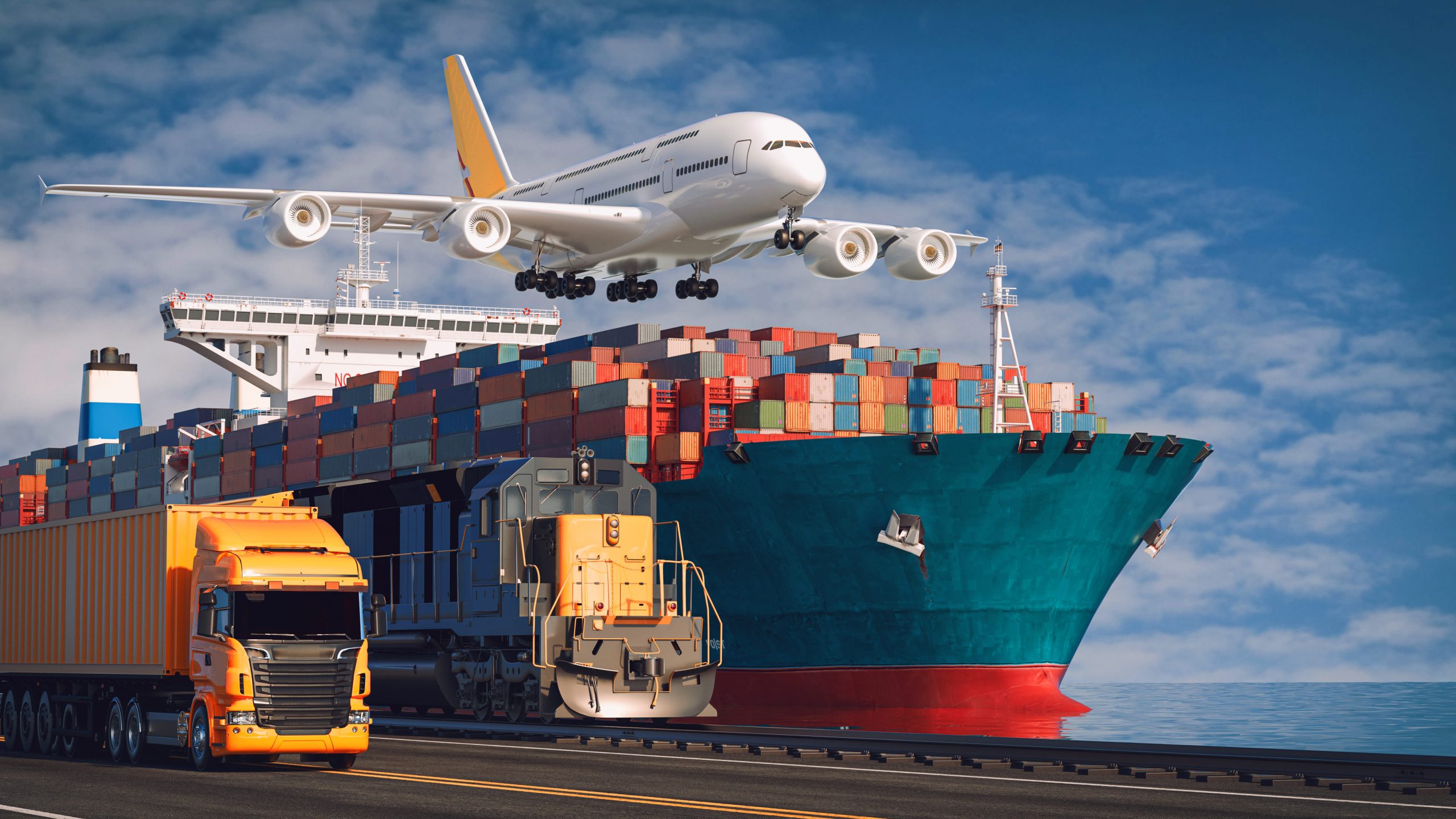
India’s freight forwarding market is entering a more mature phase, and the shift is becoming hard to ignore. Trade volumes are growing, manufacturing output is widening beyond traditional clusters, and supply chains are becoming more time-sensitive than they were even five years ago. In 2026, freight forwarding in India is no longer just about moving cargo from one point to another. It now sits at the center of how businesses manage lead times, customs complexity, inland connectivity, and international shipping costs. The opportunity is large, but so is the operational pressure. Companies that can offer reliability, visibility, and flexibility are likely to stand out over the next decade.
What’s Driving the Freight Forwarding Market in India?
Manufacturing and Export Activity Are Creating More Complex Cargo Flows
India’s export profile has become more diverse, and that matters for freight forwarding. Electronics, engineering goods, pharmaceuticals, auto components, chemicals, and specialty textiles all move differently and come with different documentation, handling, and timing requirements. A pharma exporter in Hyderabad does not need the same logistics setup as an auto supplier in Pune or an electronics manufacturer in Tamil Nadu. That variation is giving freight forwarders a bigger role than before. In many cases, they are no longer just intermediaries – they are problem-solvers managing delays, coordinating multimodal handoffs, and helping businesses avoid costly shipment disruptions.
Infrastructure Upgrades Are Improving Cargo Movement, Though Unevenly
A few years ago, logistics bottlenecks in India were often accepted as part of doing business. That mindset is changing. Dedicated freight corridors, port modernization, expressways, inland container depots, and logistics parks are gradually making cargo movement more predictable. Indian Railways carried 1,670 million tonnes of freight in FY2025-26, which reflects how seriously rail-linked freight is being taken for long-haul movement. Still, the gains are not uniform. On the ground, many exporters continue to face delays between factory gates, warehouses, and port terminals. So while infrastructure is improving, execution still varies sharply by corridor and state.
Shippers Want Visibility, Not Just Freight Rates
Price still matters, but it is no longer the only thing customers care about. Importers and exporters increasingly want to know where their cargo is, whether customs paperwork is in order, and what contingency plan exists if a shipment gets delayed. That is why digital freight tools, real-time tracking, electronic documentation, and automated shipment updates are becoming standard expectations rather than premium features. In practice, this is changing the nature of competition. Freight forwarders that still rely heavily on manual coordination may struggle to keep pace with clients who now expect the same visibility they get from e-commerce or express logistics platforms.
Government-Led Initiatives Supporting Logistics Growth
Government policy has played a bigger role in logistics over the last few years than many expected. PM Gati Shakti and the National Logistics Policy have pushed coordination between transport modes into the mainstream conversation, which is useful because India has historically planned roads, rail, ports, and warehousing in silos. Customs digitization, cargo terminal expansion, and investment in freight corridors are also helping reduce friction. That said, policy intent and field-level implementation do not always move at the same speed. The direction is encouraging, but much of the benefit will depend on how consistently projects are completed and integrated.
Market Competition and Industry Landscape
The market remains moderately fragmented. Global freight specialists such as DHL Group, DHL Group Kuehne + Nagel, Kuehne + Nagel DSV, DSV and DB Schenker DB Schenker compete alongside Indian players such as Allcargo Logistics, Allcargo Logistics Delhivery, Delhivery and Blue Dart Express. Blue Dart Express The difference today is that customers are not choosing only on price sheets. Industry specialization, customs handling capability, route reliability, and digital responsiveness increasingly matter. A forwarder that understands reefer cargo or dangerous goods, for example, often has an edge over a larger but less specialized operator.
Operational Bottlenecks and Cost Volatility
One persistent challenge is that freight forwarding in India still operates in a high-friction environment. Port congestion, container shortages, documentation mismatches, customs delays, and fluctuating freight rates can disrupt planning even when demand is healthy. A common challenge is that delays often happen between logistics nodes rather than within them – cargo may clear one checkpoint efficiently but lose time before reaching the next. Global shipping disruptions also continue to affect costs and scheduling. This makes forecasting harder for both forwarders and clients, especially in sectors working on tight inventory cycles.
Future Outlook
The long-term outlook remains favorable, but the winners will likely be those who can execute consistently rather than simply expand aggressively. By 2035, India’s freight forwarding market will likely look more integrated, more technology-enabled, and far less fragmented than it does today. Rail-road-port connectivity should improve further, air cargo forwarding may gain share in high-value sectors, and customers will likely demand deeper service integration beyond basic shipment handling. India has the cargo volumes, trade ambition, and industrial depth to support a far larger forwarding market..
Consultants at Nexdigm, in their latest publication “India Freight Forwarding Market Outlook to 2035”, analyzed the market by Mode of Transport (Air, Ocean, Road, Rail), By Service Type (International Freight Forwarding, Domestic Freight Forwarding, Customs Brokerage, Warehousing & Value-Added Services), By End User Industry (Automotive, Pharmaceuticals, Consumer Goods, Industrial Manufacturing, Retail & E-commerce), and By Shipment Type (FCL, LCL, Express, Bulk Cargo). Nexdigm believes businesses should focus on multimodal coordination, shipment visibility, customs efficiency, and industry-specific service capabilities to capture long-term opportunities in India’s evolving freight landscape.
To take the next step, simply visit our Request a Consultation page and share your requirements with us.
Harsh Mittal
+91-8422857704