
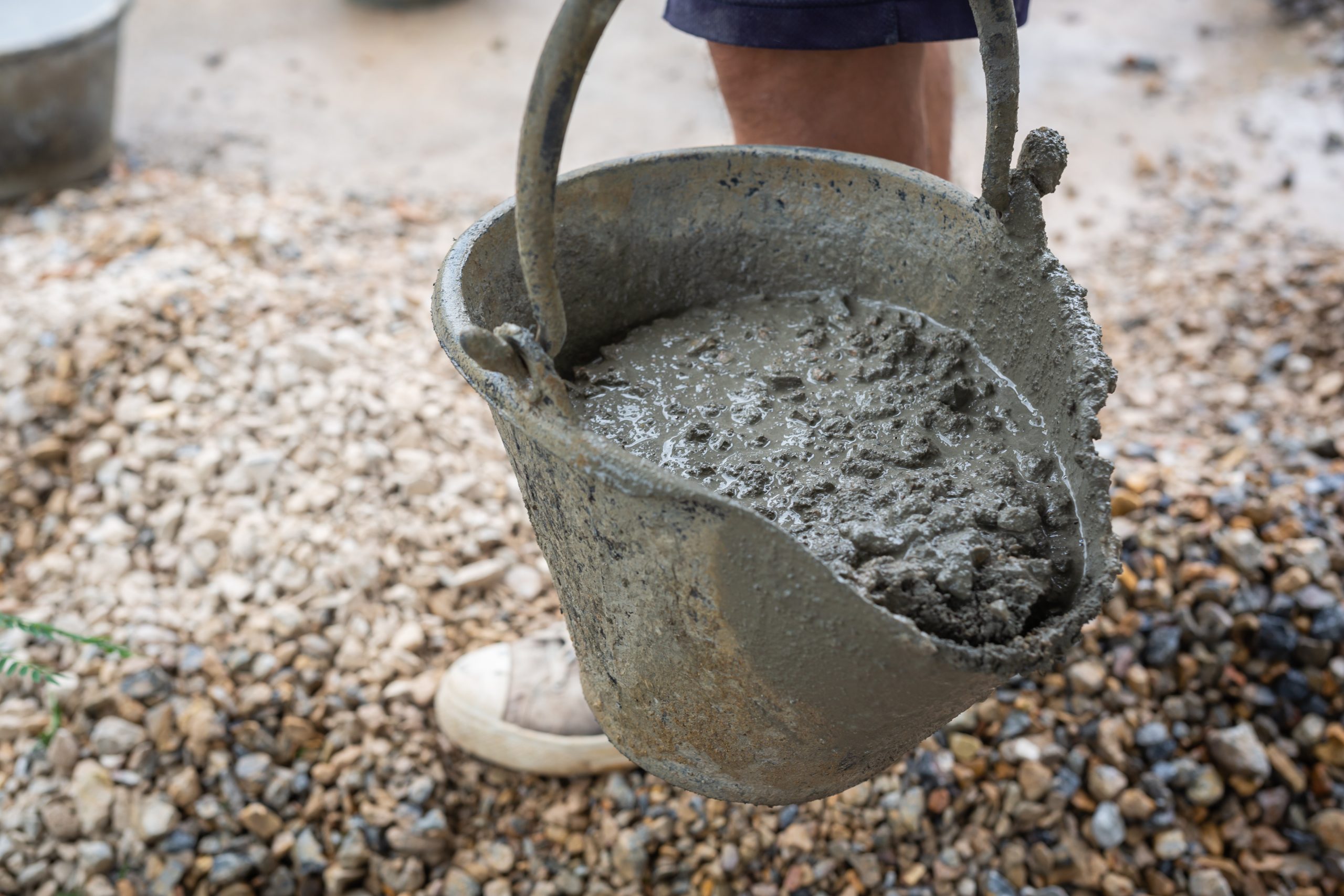
India’s construction sector is evolving beyond scale and speed toward sustainability. As one of the world’s largest cement-producing nations with installed cement capacity exceeding 500 million tones annually, the country is increasingly embracing greener building materials. Green cement, manufactured using industrial by-products such as fly ash and slag, helps reduce carbon emissions while maintaining structural performance. With rising investments in infrastructure, urban housing, smart cities, and industrial projects, developers are actively seeking environmentally responsible construction solutions. This shift is creating new opportunities for the India Green Cement Market as sustainability becomes a key decision-making factor across the construction value chain.
Market Drivers Advancing the India Green Cement Industry
Sustainable Construction Becoming a Business Priority
Environmental responsibility is no longer a niche concept in India’s construction ecosystem. Builders, architects, and infrastructure developers are under growing pressure to reduce the environmental footprint of projects. Since traditional cement production contributes approximately 7-8% of global carbon emissions, green cement has emerged as an effective solution for lowering emissions across the construction lifecycle. Green cement can reduce CO₂ emissions by up to 40-50% compared to conventional cement manufacturing methods, making it increasingly attractive for both private and public sector projects. The growing adoption of green building certifications such as LEED and IGBC further supports demand for sustainable cement products.
Infrastructure Expansion Creating Massive Demand
India continues to invest heavily in highways, metro rail systems, airports, logistics corridors, industrial parks, and affordable housing developments. These large-scale projects require enormous volumes of construction materials while also meeting evolving sustainability standards. As cities expand and infrastructure modernization accelerates, project owners are prioritizing durable, low-carbon materials. Green cement is becoming a preferred option because it aligns with environmental objectives without compromising structural strength and long-term performance.
Corporate ESG Goals Accelerating Adoption
Leading real estate developers and construction companies are setting ambitious Environmental, Social, and Governance (ESG) targets. Many organizations have committed to reducing operational carbon footprints and adopting sustainable supply chains. As a result, major cement manufacturers are investing in blended cement technologies, waste-derived fuels, renewable energy integration, and low-carbon production processes. These sustainability initiatives are steadily increasing the availability and acceptance of green cement across India.
Government Initiatives Supporting the India Green Cement Industry
The Government of India is actively encouraging sustainable construction through policies focused on energy efficiency, circular economy practices, and lower industrial emissions. Programs such as the Smart Cities Mission, Energy Conservation Building Code (ECBC), and green building promotion initiatives encourage the use of environmentally friendly construction materials. Additionally, the increased utilization of fly ash from thermal power plants and slag from steel manufacturing supports green cement production while promoting industrial waste recycling. These initiatives are creating a favorable environment for market growth and innovation.
Competitive Landscape of the India Green Cement Sector
The competitive environment is characterized by strong investments in carbon reduction technologies and sustainable manufacturing practices. Industry leaders including UltraTech Cement, ACC Limited, Ambuja Cements, Dalmia Bharat, Shree Cement, and JSW Cement are expanding their portfolios of blended and low-carbon cement products. Companies are focusing on alternative fuels, renewable energy usage, waste heat recovery systems, and process optimization to strengthen their market positions. Strategic sustainability commitments are becoming just as important as production capacity in shaping competition.
Challenges Impacting the India’s Green Cement Industry
Higher Production and Technology Costs
Despite its environmental benefits, green cement often requires advanced manufacturing technologies, specialized raw material processing, and significant capital investments. These factors can increase production costs and create challenges in highly price-sensitive construction markets.
Awareness Gap Across Smaller Construction Segments
While large developers increasingly understand the value of sustainable materials, many regional builders and smaller contractors remain unfamiliar with the long-term benefits of green cement. Limited awareness regarding lifecycle cost savings and environmental advantages can slow adoption in certain regions.
Future Outlook
The future of India’s green cement industry looks increasingly promising as sustainable development becomes central to the country’s growth story. Rising environmental regulations, stronger ESG commitments, expanding green building adoption, and continued infrastructure investments are expected to accelerate market penetration. Emerging technologies such as carbon capture, alternative binders, and low-carbon clinker production will further improve efficiency and affordability. As India balances rapid urbanization with climate objectives, green cement is expected to play a critical role in building the nation’s next generation of resilient, sustainable infrastructure.
Consultants at Nexdigm, in their latest publication “India Green Cement Market Outlook to 2035“ analyze the sector By Application Sector (Infrastructure Projects, Residential Construction and Commercial Real Estate), By Production Process (Mechanical Activation, Chemical Activation and Thermal Calculation) and By Distribution Model (Institutional Direct Supply and Retail Dealer Networks).
Nexdigm suggests that businesses in “India Green Cement Industry” focusses on oilfield, desalination, construction, and industrial applications, strengthen local warehousing, develop application-specific grades, improve technical support, and build resilient sourcing networks to serve expanding energy, water, and manufacturing demand.
To take the next step, simply visit our Request a Consultation page and share your requirements with us.
Harsh Mittal
+91-8422857704