
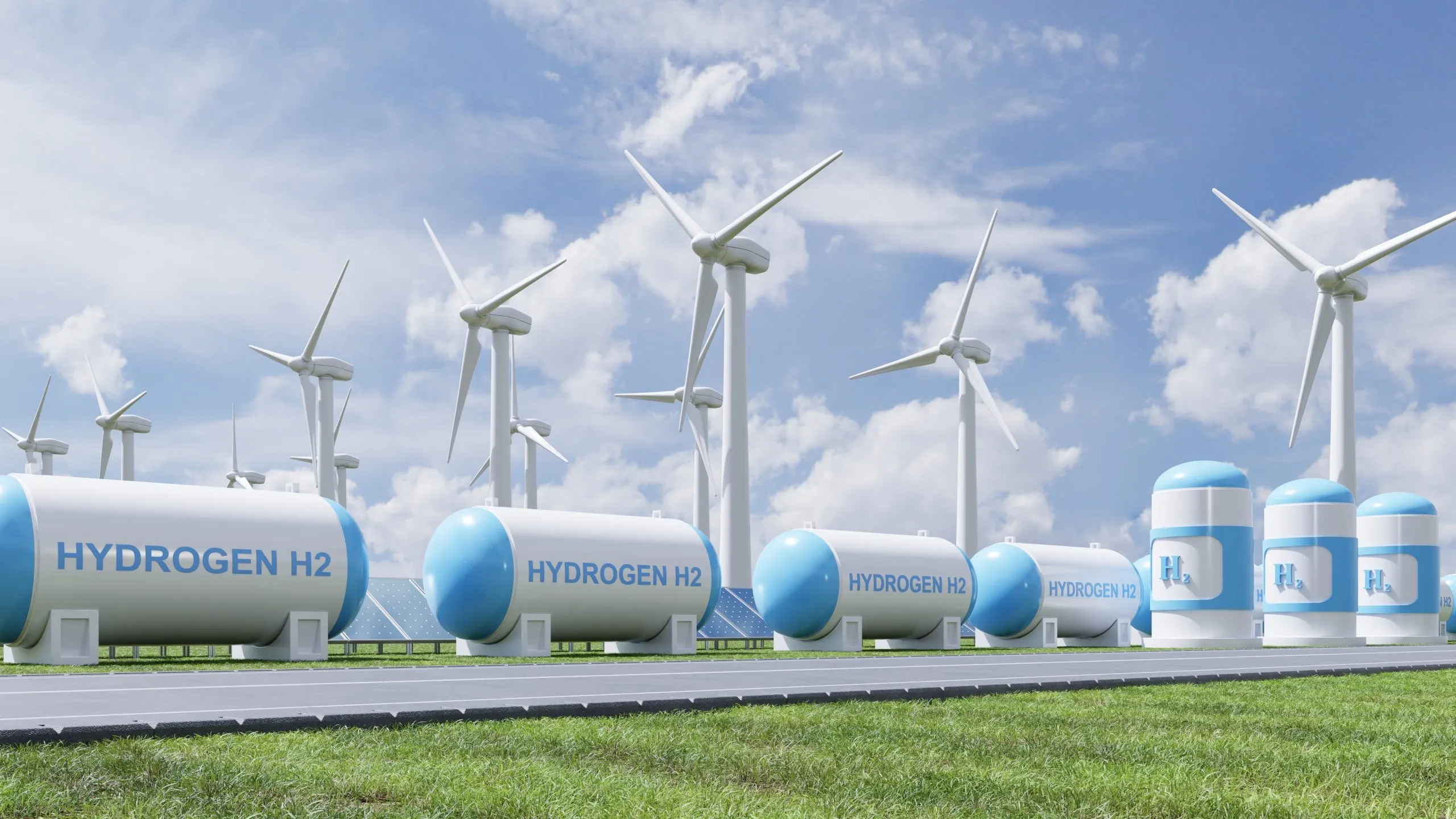
India’s green hydrogen market is rapidly emerging as a critical part of the country’s energy transition strategy. With its potential to decarbonize hard-to-abate sectors such as steel, cement, and transportation, green hydrogen is expected to play a key role in India’s journey toward net-zero emissions. The green hydrogen process—producing hydrogen through water electrolysis powered by renewable energy—offers a sustainable solution to reduce reliance on fossil fuels. By 2035, India aims to become a global leader in green hydrogen, with investments in technology, infrastructure, and policy frameworks driving growth in this exciting sector.
Primary Factors Driving the Growth of the Green Hydrogen Market
Ambitious Decarbonization Goals
India’s commitment to reducing carbon emissions by 45% by 2030 has created a strong demand for low‑carbon alternatives. Green hydrogen is essential for decarbonizing sectors that are difficult to electrify, such as heavy industries and transportation. As these industries look to adopt cleaner energy sources, the demand for green hydrogen will increase, positioning it as a crucial part of India’s sustainability strategy.
Renewable Energy Expansion
India’s renewable energy capacity is growing rapidly, with the country aiming to reach 500 GW of renewable energy by 2030. The expansion of solar and wind power plays a pivotal role in making green hydrogen production more affordable. By using surplus renewable energy for hydrogen production, India can not only meet its domestic energy needs but also create a sustainable green hydrogen supply chain.
Cost Reductions and Technological Advancements
Technological advancements in electrolysis and falling costs of renewable energy are making green hydrogen increasingly cost‑competitive. As the technology matures and economies of scale come into play, the cost of producing green hydrogen is expected to continue falling, bringing it closer to parity with traditional hydrogen produced from fossil fuels.
Government Policies and Initiatives Fueling Green Hydrogen Development
The Indian government is actively supporting the green hydrogen sector through initiatives like the National Green Hydrogen Mission, which provides funding for production technologies and infrastructure. Policies include subsidies for electrolysis, viability gap funding, and favorable renewable energy tariffs. These efforts are designed to reduce production costs and help India become a global leader in green hydrogen by 2030, driving both domestic growth and international competitiveness.
Key Players and Competition in the Green Hydrogen Market
The competitive landscape in India is evolving, with major players from energy, infrastructure, and technology sectors all vying for a share of the green hydrogen market. Partnerships with international technology providers and large‑scale hydrogen projects are driving innovation and accelerating the commercial viability of green hydrogen in India. Industry giants and startups alike are investing in electrolyzes, production facilities, and infrastructure to meet the growing demand.
Key Challenges Hindering the Growth of the Green Hydrogen Market
Infrastructure and Logistics
One of the main challenges facing the green hydrogen market is the lack of infrastructure for its storage, transportation, and distribution. Developing the necessary pipelines and refueling stations requires significant investment and time. Until these logistical barriers are addressed, scaling green hydrogen production and distribution will remain a challenge.
Cost Competitiveness
While costs have been falling, green hydrogen is still more expensive than conventional hydrogen produced from fossil fuels. To make green hydrogen more attractive for industrial use, it’s critical that India continues to focus on reducing costs through innovation, economies of scale, and the development of a supportive regulatory environment.
Future Outlook
Looking ahead to 2035, the future of India’s green hydrogen market is promising. With continued government support, falling production costs, and rising demand from industrial sectors, green hydrogen is expected to become a cornerstone of India’s energy transition. As India builds its domestic hydrogen supply chains and exports to global markets, the country is well‑positioned to become a leader in the global green hydrogen economy.
Consultants at Nexdigm, in their latest publication “India Green Hydrogen Market Outlook to 2035,” analyze the sector by System Type (Electrolyzers, Fuel Cells, Hydrogen Storage Systems, Transport and Distribution Systems), By Platform Type (Industrial Platforms, Transport Platforms, Residential Platforms), and By Fitment Type (On-premise Solutions, Cloud-based Solutions, Modular Solutions). Nexdigm suggests that businesses should write market-relevant contexts by focusing on emerging trends, challenges, and opportunities that directly impact their industry. This approach helps to create content that resonates with target audiences, providing valuable insights while aligning with current market dynamics. By addressing specific pain points and offering actionable solutions, businesses can further engage their audience and establish themselves as thought leaders.
To take the next step, simply visit our Request a Consultation page and share your requirements with us.
Harsh Mittal
+91-8422857704