
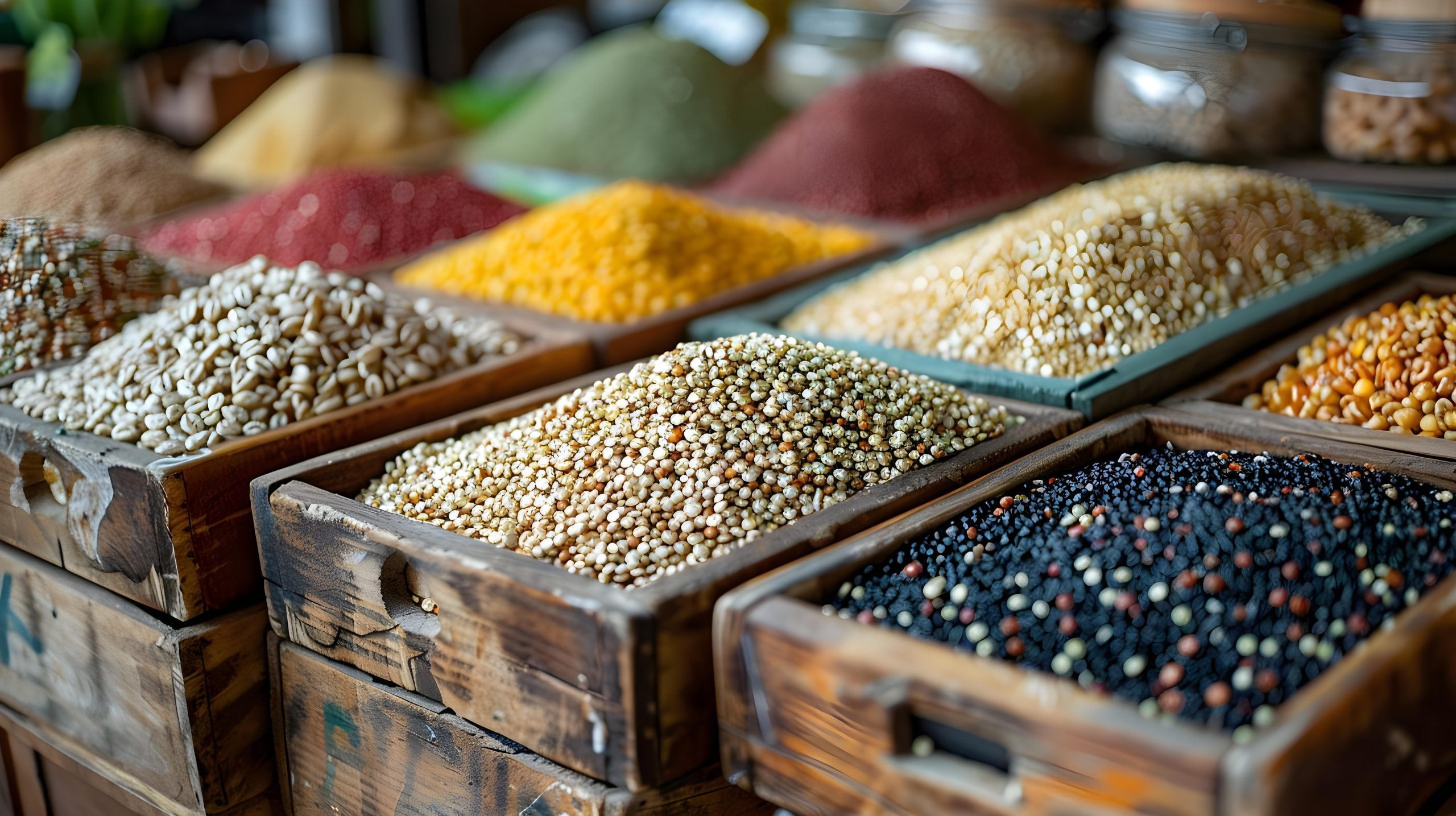
The India hybrid seed market is witnessing steady transformation as the country strengthens its food security agenda, climate-resilient agriculture programs, and farmer income support mechanisms. India remains one of the world’s largest producers of cereals, pulses, fruits, and vegetables, yet crop productivity continues to face challenges from fragmented landholdings, erratic monsoons, and rising pest and disease pressure. As of 2026, hybrid seeds account for a growing share of India’s commercial seed market, driven by higher yield potential, better uniformity, and improved resistance to biotic and abiotic stresses. The market is also supported by increasing adoption of protected cultivation, precision farming practices, and expansion of high-value horticulture crops. With both public and private sector participation deepening, India is positioning itself as a key growth market for hybrid seed innovation and commercialization through 2035.
What’s Driving the Hybrid Seed Market in India?
Rising Pressure to Improve Crop Yields and Farm Incomes
India’s agricultural productivity remains uneven across regions, with yield gaps compared to global benchmarks in crops such as maize, cotton, vegetables, and oilseeds. Hybrid seeds offer higher yield stability, better crop uniformity, and improved tolerance to drought and pest stress. As farm input costs rise and landholdings remain fragmented, farmers are increasingly prioritizing yield-maximizing technologies. This is particularly evident in hybrid maize, cotton, and vegetable seeds, where yield advantages directly translate into higher per-acre profitability.
Expansion of High-Value Crops and Protected Cultivation
The growth of horticulture, greenhouse farming, and polyhouse cultivation is boosting demand for high-performance hybrid vegetable seeds. Crops such as tomato, capsicum, cucumber, watermelon, and chili are increasingly grown under controlled environments, where uniformity, disease resistance, and predictable output are critical. Hybrid seeds tailored for protected cultivation are gaining traction, especially in states such as Maharashtra, Karnataka, Tamil Nadu, Telangana, and Himachal Pradesh. This shift toward commercial horticulture is expanding the addressable market for premium hybrid seed varieties.
Technology Integration and Seed Trait Innovation
Seed companies are investing in marker-assisted breeding, climate-resilient traits, and region-specific hybrid development. Improved tolerance to heat stress, salinity, and emerging pest pressures is becoming a key differentiator as climate variability intensifies. Digital advisory platforms, bundled with seed sales, are also helping farmers optimize sowing practices, nutrient management, and pest control, improving the realized performance of hybrid seeds in the field.
Government-Led Initiatives Supporting Hybrid Seed Adoption
The Indian government continues to promote the adoption of high-quality seeds through schemes such as the National Food Security Mission (NFSM), Rashtriya Krishi Vikas Yojana (RKVY), and state-level seed subsidy programs. Public-private partnerships for seed production, breeder seed multiplication, and regional varietal trials are strengthening the domestic seed ecosystem. In addition, the push for climate-resilient agriculture under the National Mission for Sustainable Agriculture (NMSA) is accelerating the adoption of hybrids with drought tolerance and disease resistance traits. These initiatives are reducing adoption barriers for small and marginal farmers and improving access to certified hybrid seeds in semi-urban and rural markets.
Market Competition and Distribution Landscape
The India hybrid seed market remains moderately fragmented, with a mix of multinational corporations, domestic seed companies, and regional players competing across crop segments. Key players include Bayer CropScience, Syngenta India, Corteva Agriscience, UPL Advanta, Mahyco, and Nuziveedu Seeds, alongside several strong regional brands in vegetables and field crops. Distribution continues to be dominated by dealer networks, agri-input retailers, and cooperative societies, while digital agri-commerce platforms are gradually improving last-mile reach. Branded hybrid seeds with demonstrable field performance and bundled agronomy support are gaining preference among progressive farmers.
Price Sensitivity and Limited Access Among Smallholders
Despite clear yield advantages, hybrid seeds carry higher upfront costs compared to open-pollinated varieties. Small and marginal farmers remain price-sensitive and often hesitate to reinvest in hybrids every season, particularly in rain-fed regions with higher yield uncertainty. Inconsistent access to credit and limited awareness of long-term yield benefits continue to slow penetration in low-income farming clusters.
Future Outlook
The India hybrid seed market is expected to register steady growth through 2035, driven by increasing mechanization, climate-resilient farming practices, and expansion of commercial horticulture. By 2035, hybrid seeds are expected to account for a significantly higher share of seed usage in maize, cotton, and vegetables, with gradual penetration in paddy and oilseeds through region-specific hybrid development. The market is likely to see deeper integration of biotech traits, digital advisory services, and data-driven breeding programs to improve varietal performance under changing climate conditions. India is also expected to strengthen its position as a regional hub for hybrid seed R&D and seed exports to South Asia and Africa.
Consultants at Nexdigm, in their latest publication “India Hybrid Seed Market Outlook to 2035”, analyzed the market by Crop Type (Cereals & Grains, Oilseeds, Cotton, Vegetables, Fruits), By Trait Type (Yield-Enhanced, Pest-Resistant, Drought-Tolerant, Disease-Resistant), and By Distribution Channel (Agri-Input Retailers, Cooperatives, Direct-to-Farmer, Digital Platforms). Nexdigm believes that businesses should prioritize region-specific hybrid development, strengthen anti-counterfeit measures, and bundle seeds with agronomy advisory and financing solutions to improve farmer adoption and long-term market penetration.
To take the next step, simply visit our Request a Consultation page and share your requirements with us.
Harsh Mittal
+91-8422857704