
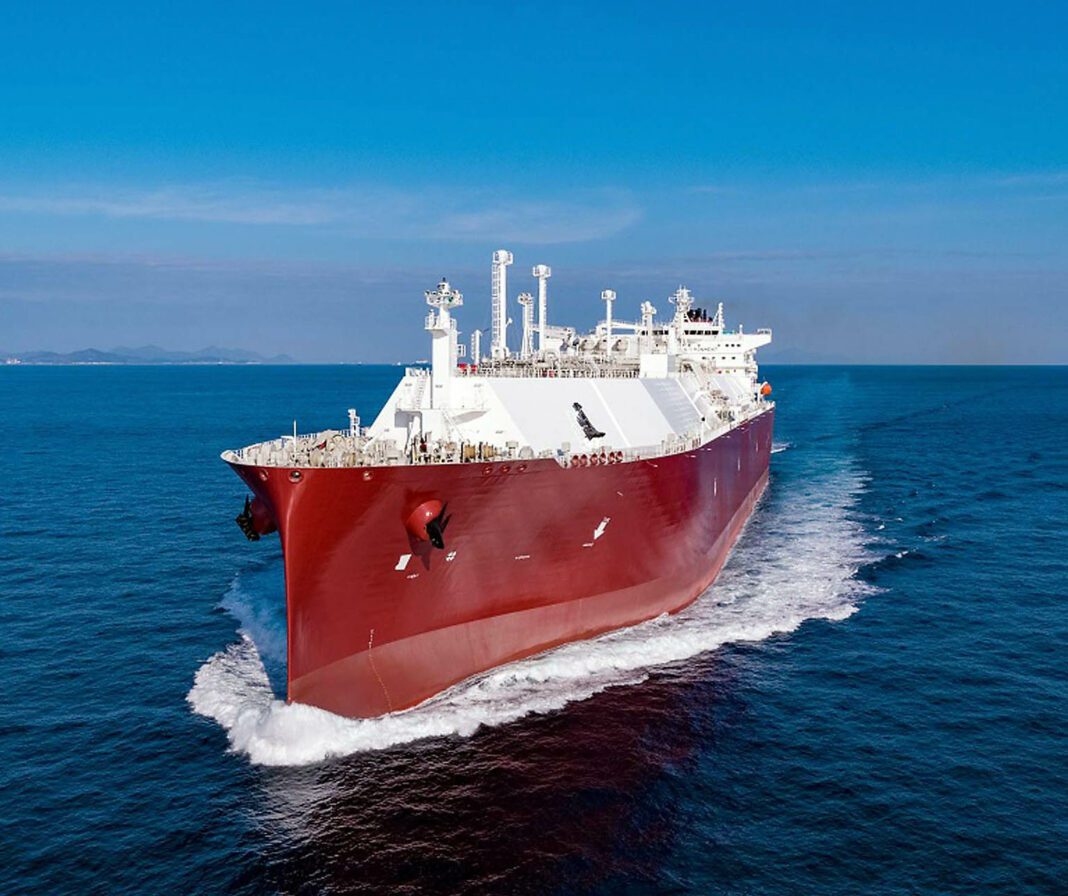
India’s LNG Infrastructure Market is witnessing robust growth as the country accelerates efforts to increase the share of natural gas in its energy mix and strengthen energy security. India is currently one of the world’s largest LNG importers, with LNG accounting for a significant portion of its natural gas supply. The country has operational regasification capacity exceeding 25 million tonnes per annum (MTPA) and a national gas pipeline network spanning more than 15,000 km, with additional pipeline projects under development. Rising demand from power generation, fertilizers, city gas distribution (CGD), refineries, petrochemicals, and industrial users is driving substantial investments in LNG terminals, storage infrastructure, pipelines, and distribution networks.
Key Market Drivers for India’s LNG Infrastructure Market
Rising Natural Gas Consumption and Gasification Targets Accelerate Infrastructure Development
India is actively working to increase the share of natural gas in its primary energy mix from approximately 6% to 15%, creating substantial demand for LNG infrastructure. The country imports over 25 million tonnes of LNG annually and continues to expand gas usage across power generation, fertilizers, refineries, petrochemicals, and manufacturing sectors. As industrial fuel switching and cleaner energy adoption accelerate, investments in LNG import terminals, storage facilities, and gas transportation networks are increasing significantly.
Expansion of LNG Terminals and National Gas Grid Supports Market Growth
India’s operational LNG regasification capacity exceeds 25 MTPA, with major terminals located at Dahej, Hazira, Dhamra, Kochi, Ennore, and Jaigarh. Simultaneously, the national gas pipeline network has expanded beyond 15,000 km, with thousands of additional kilometers under development under the One Nation One Gas Grid initiative. These projects are improving gas accessibility across previously underserved regions and enabling greater utilization of imported LNG.
City Gas Distribution and Industrial Demand Create New Opportunities
India’s City Gas Distribution (CGD) sector continues to expand rapidly, with more than 300 Geographical Areas (GAs) authorized for development across the country. The expansion of PNG connections and CNG stations is increasing natural gas demand in residential, commercial, and transportation sectors. Additionally, strong demand from fertilizers, steel plants, refineries, and petrochemical complexes is driving investments in LNG infrastructure, as industries seek reliable and lower-emission fuel alternatives to support long-term growth and sustainability goals.
Government Initiatives Supporting India’s LNG Infrastructure Market
The Government of India continues to support LNG infrastructure through initiatives aimed at increasing natural gas usage across the economy. Significant investments are being directed toward expanding the national gas grid, LNG import terminals, CGD networks, and strategic storage facilities. Programs such as the National Gas Grid expansion, One Nation One Gas Grid, and ongoing CGD bidding rounds are supporting wider gas accessibility across the country. Government efforts to improve energy security, reduce emissions, and diversify fuel sources are creating favorable conditions for sustained LNG infrastructure investments.
Competitive Landscape of India’s LNG Infrastructure Market
India’s LNG Infrastructure Market is highly competitive, with participation from major energy companies including Petronet LNG, GAIL, Indian Oil Corporation (IOC), Adani Total Gas, HPCL, BPCL, Shell Energy India, and Reliance Industries. Competition is centered on terminal capacity expansion, pipeline connectivity, regasification efficiency, storage capabilities, and downstream market access. Market participants are increasingly investing in LNG terminals, floating storage regasification units (FSRUs), city gas distribution networks, and integrated gas infrastructure to capitalize on growing natural gas demand across industrial and urban markets.
Major Challenges Facing India’s LNG Infrastructure Market
LNG Price Volatility and Import Dependence
India remains dependent on imported LNG to meet a significant portion of domestic gas demand. Global LNG price fluctuations and supply disruptions can impact affordability and infrastructure utilization rates.
Pipeline Connectivity and Regional Distribution Constraints
While India’s gas transmission network continues to expand, certain regions still face limited connectivity and infrastructure bottlenecks. Accelerating pipeline development and last-mile gas access remains critical for maximizing LNG infrastructure utilization.
Future Outlook
India’s LNG Infrastructure Market is expected to witness strong growth through 2035, supported by efforts to raise natural gas’s share in the energy mix to 15%, expansion of regasification capacity beyond 50 MTPA, and continued growth in the national gas pipeline network. Rising demand from city gas distribution, manufacturing, transportation, fertilizers, and petrochemicals will continue to drive investments across the LNG value chain. Additional opportunities are expected to emerge from LNG bunkering, small-scale LNG distribution, industrial fuel switching, and gas-based mobility solutions. Companies investing in integrated LNG infrastructure, storage facilities, regasification terminals, and pipeline connectivity will be well-positioned to benefit from India’s long-term gas market expansion.
Consultants at Nexdigm, in their latest publication “India LNG Infrastructure Market to 2035,” analyse the sector By Terminal Infrastructure Type (Storage Tanks, Vaporization Units and Berthing Jetties), By Regulatory Status (PNGRB Authorized Projects and Ministry of Petroleum Approved) and By Coastal Region (Gujarat Coast, Maharashtra and Konkan Coast and Andhra Pradesh and Odisha Coast).
Nexdigm suggests that businesses in India’s LNG Infrastructure Industry prioritize regasification capacity expansion, pipeline connectivity projects, city gas distribution integration, and LNG storage solutions to capitalize on the country’s growing natural gas demand, expanding LNG import infrastructure, increasing gasification targets, and rising investments in cleaner energy systems across industrial, commercial, and transportation sectors.
To take the next step, simply visit our Request a Consultation page and share your requirements with us.
Harsh Mittal
+91-8422857704