
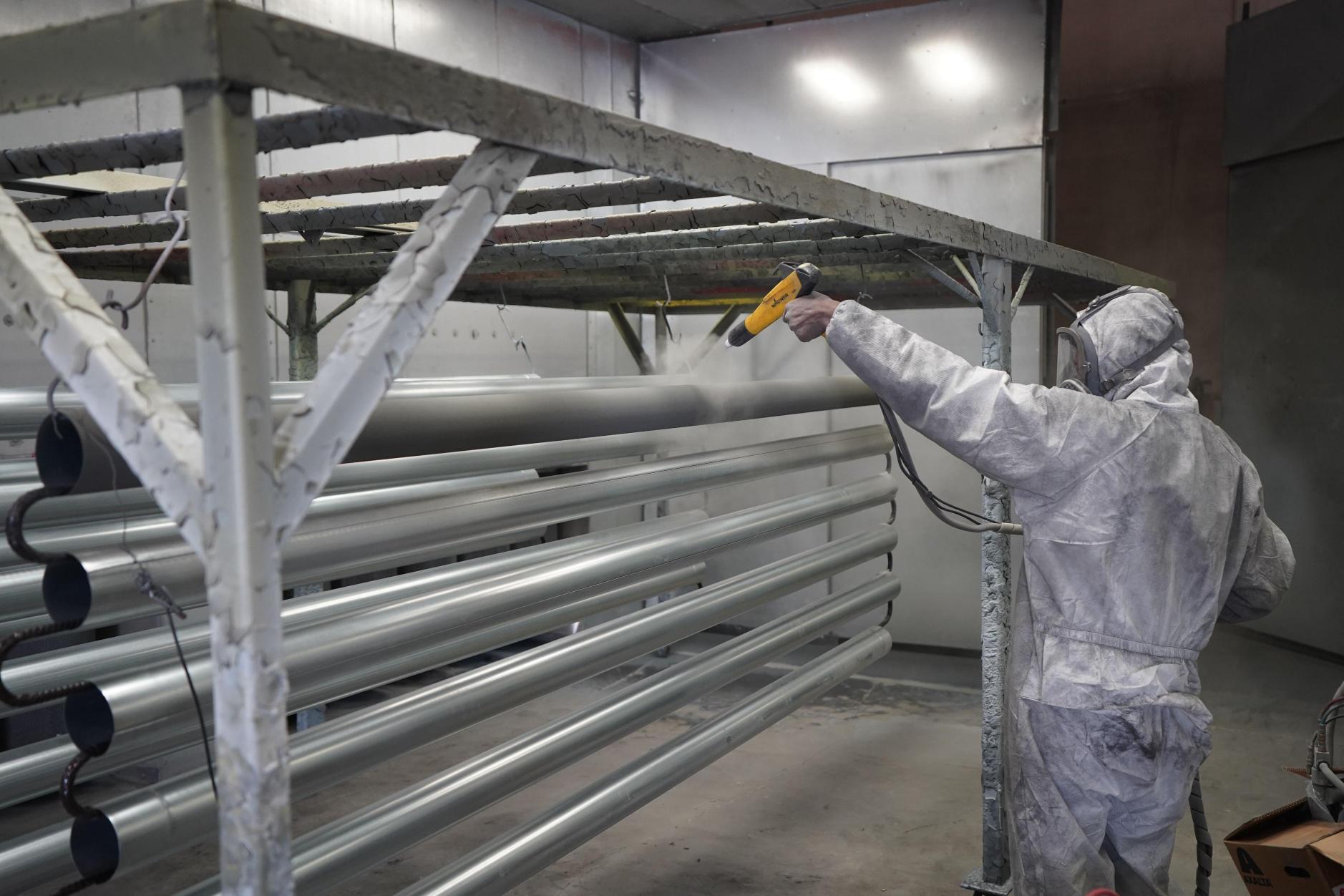
The India protective coatings market is witnessing robust growth, supported by rapid industrialization, infrastructure modernization, and increasing investments in manufacturing and chemical processing facilities. Protective coatings are essential for safeguarding industrial assets against corrosion, abrasion, and harsh environmental conditions. The market is valued at approximately USD 3.25 billion and is projected to reach nearly USD 6.31 billion, expanding at a CAGR of about 6.9% during the forecast period. Growing demand for high-performance epoxy and polyurethane coatings, coupled with sustainability-focused regulations, continues to drive innovation and market expansion across the country.
Market Drivers Advancing the India Protective Coatings Growth
Infrastructure Development and Industrial Corridor Expansion
Large-scale infrastructure projects are creating significant demand for protective coatings across bridges, railways, industrial parks, ports, and commercial developments. Initiatives such as the Mumbai-Delhi Industrial Corridor have increased the need for anti-corrosion solutions that enhance the durability of steel and concrete structures. As industrial construction activity accelerates, coating manufacturers are experiencing growing opportunities in both public and private sector projects.
Rising Demand from Chemical and Manufacturing Industries
India’s expanding chemical and manufacturing sectors are major consumers of protective coatings. Industrial hubs such as Dahej in Gujarat and Pune in Maharashtra require advanced coatings to protect equipment, storage tanks, pipelines, and processing facilities from corrosion and chemical exposure. The growth of automotive, engineering, petrochemical, and heavy industrial manufacturing activities is further increasing the adoption of high-performance coating systems designed for demanding operational environments.
Growing Preference for Sustainable Coating Technologies
Environmental awareness and regulatory requirements are encouraging manufacturers to transition toward water-borne, low-VOC, and eco-friendly coating solutions. Companies are increasingly investing in advanced epoxy and polyurethane technologies that provide higher durability while reducing environmental impact. This trend is supporting innovation and helping domestic manufacturers align with global sustainability standards while improving operational efficiency.
Government Initiatives Supporting India Protective Coatings Industry
Government efforts to strengthen manufacturing and infrastructure development are contributing positively to the protective coatings market. Regulatory guidelines under the Bureau of Indian Standards (BIS), including updates related to coating performance and environmental compliance, encourage the adoption of safer and more sustainable technologies. Furthermore, industrial development programs and infrastructure investment initiatives continue to generate long-term demand for protective coatings across multiple sectors.
Competitive Landscape of India Protective Coatings Sector
The Indian protective coatings market is moderately competitive, with established domestic and international players focusing on capacity expansion and product innovation. Leading companies such as Asian Paints, Berger Paints India, Kansai Nerolac, AkzoNobel India, and Jotun maintain strong market positions through extensive distribution networks and diversified product offerings. Market participants are increasingly investing in high-performance industrial coatings, sustainable formulations, and research-driven product development to gain competitive advantages.
Challenges Impacting India Protective Coatings Industry
Stringent Environmental Regulations
Increasing restrictions on VOC emissions and environmental compliance standards require manufacturers to continuously reformulate products and invest in cleaner technologies. These compliance costs can affect profitability, especially for smaller market participants.
Raw Material Price Fluctuations
Volatility in the prices of resins, solvents, pigments, and additives remains a significant challenge. Sudden changes in input costs can impact manufacturing margins and lead to pricing pressures throughout the value chain.
Future Outlook
The future of the India protective coatings market appears highly promising, supported by continuous infrastructure expansion, industrial modernization, and growing sustainability initiatives. Increasing investments in chemical processing, manufacturing facilities, transportation infrastructure, and energy projects are expected to sustain strong demand for advanced protective coatings. The industry is also likely to benefit from greater adoption of water-borne and low-VOC technologies as environmental regulations become more stringent. Companies that focus on innovation, sustainability, and high-performance coating solutions will be well positioned to capitalize on emerging market opportunities.
Consultants at Nexdigm, in their latest publication “India Protective Coatings Market Outlook to 2035,” analyze the sector By (Definition of Protective Coating Scope, Bottom-up Segment Revenue Estimation, Top-down Macro-economic Data Aggregation, Expert Interviewing with Industry Heads, Analysis of BIS Standards Compliance).
Nexdigm suggests that businesses in the India Protective Coatings Industry focus on developing sustainable, high-performance coating solutions tailored for infrastructure, chemical, and manufacturing applications. Investing in low-VOC technologies, corrosion-resistant products, and strategic industrial partnerships can help companies capitalize on rising industrialization and infrastructure modernization across India.
To take the next step, simply visit our Request a Consultation page and share your requirements with us.
Harsh Mittal
+91-8422857704