
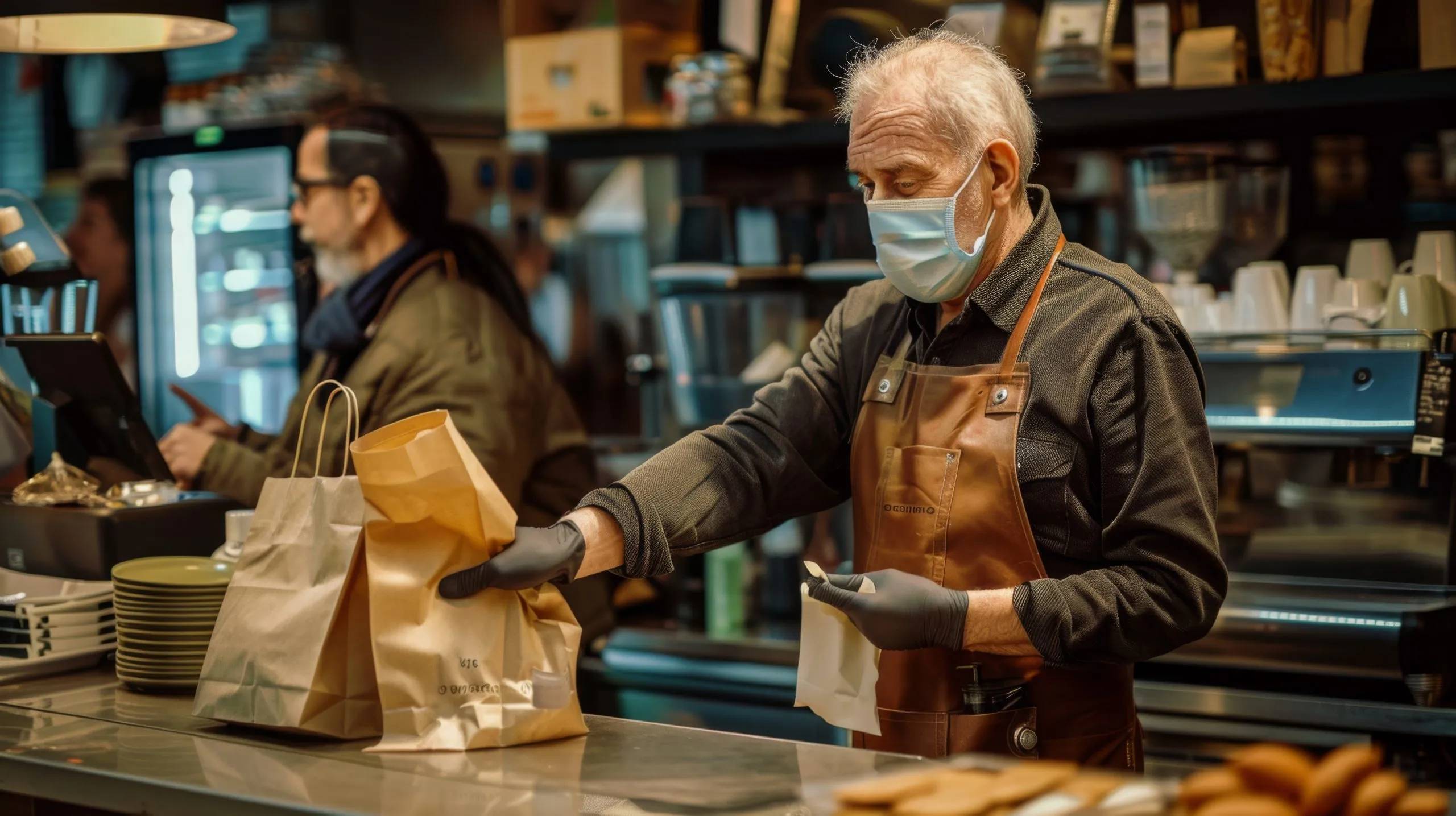
The India quick service restaurant market is expanding as consumers increasingly seek fast, affordable, and convenient meal options. Urban lifestyles, rising disposable incomes, young consumers, food delivery apps, mall culture, and organized restaurant chains are reshaping eating habits across the country. The market is estimated at around USD 27.80 billion in 2025 and is projected to reach USD 47.28 billion by 2031, growing at a 9.26% CAGR. As QSR brands scale across metros and tier two cities, digital ordering and value-led menus are becoming central to growth.
Key market drivers are strengthening India’s quick service restaurant growth
Digital ordering and food delivery are reshaping customer access
Digital ordering has become one of the strongest drivers of India’s QSR market. Consumers increasingly use food delivery apps, brand-owned apps, QR ordering, and digital payment systems to access quick meals. Leading pizza chains generate nearly 70% of transactions through digital orders, showing how deeply online ordering has entered daily dining behavior. Platforms such as Zomato and Swiggy have expanded restaurant visibility, improved convenience, and helped QSR brands reach customers beyond dine-in locations. For operators, digital channels also provide useful data on customer preferences, demand patterns, promotions, and repeat purchases.
Young consumers and urban lifestyles are increasing QSR demand
India’s young population, busy work schedules, rising café culture, and growing exposure to global food formats are supporting demand for QSRs. Students, office workers, young families, and urban professionals often prefer meals that are quick, predictable, affordable, and easy to order. Burgers, pizza, fried chicken, wraps, sandwiches, momos, rolls, biryani bowls, beverages, and desserts are gaining traction across different price points. QSR brands are also benefiting from malls, high streets, transit locations, office clusters, and delivery-focused kitchens that serve dense urban demand.
Value menus and localized products are improving consumer connect
Affordability remains important in India’s price-sensitive dining market. QSR brands are using value meals, combo offers, student pricing, regional flavors, vegetarian options, festive menus, and snackable products to attract repeat customers. Localized menu innovation helps global and domestic brands connect with Indian taste preferences while maintaining speed and consistency.
Government initiatives and formalization are supporting organized foodservice growth
Government initiatives related to digital payments, food safety, GST compliance, startup growth, and formalization are helping organized QSR operators expand more efficiently. The Food Safety and Standards Authority of India continues to shape hygiene, labelling, licensing, and quality requirements across the restaurant sector. Digital India and UPI adoption have also made cashless transactions easier for both consumers and restaurant operators. As more foodservice businesses formalize, organized QSR chains can benefit from clearer compliance, better payment systems, and improved consumer trust.
Competitive landscape is becoming more organized and delivery focused
The India QSR market includes global chains, domestic brands, cloud kitchens, regional food chains, franchise operators, café formats, and delivery-first restaurants. Competition is shaped by pricing, taste, delivery speed, location, menu variety, hygiene standards, brand recall, and digital visibility. Large chains benefit from scale, supply chain strength, technology, and franchise networks, while local brands compete through regional flavors and affordability. Companies that balance Indianized menus, value pricing, and consistent service are likely to gain stronger consumer traction.
Market challenges continue to affect margins and scalability
Rising costs are putting pressure on profitability
QSR operators in India face rising costs related to ingredients, rent, packaging, utilities, wages, and delivery commissions. These pressures can reduce margins, especially for brands competing heavily on value meals and discounts.
Consistency and supply chain management remain important concerns
Maintaining consistent taste, hygiene, service speed, and ingredient quality across multiple outlets can be challenging. Expansion into smaller cities also requires reliable cold chains, trained staff, and strong vendor networks.
Future outlook
The future outlook for the India quick service restaurant market remains positive, supported by digital ordering, urbanization, organized foodservice growth, and rising demand for convenient dining. The market is projected to reach USD 47.28 billion by 2031, reflecting strong long-term opportunity. Growth is expected across delivery-first models, drive-thru formats, value meals, regional menu innovation, franchise expansion, and tier two city penetration. Businesses that invest in technology, supply chain efficiency, customer data, and localized product strategies will be better positioned to capture India’s evolving QSR demand.
Consultants at Nexdigm, in their latest publication “India quick service restaurant market outlook to 2035,” analyze the sector By Product Type (Burgers and Sandwiches, Pizza and Pasta, Chicken-based QSR, Mexican and Tex-Mex), By Service Model (Dine-in, Takeaway, Drive-thru)
Nexdigm suggests that businesses in the India quick service restaurant market should focus on digital ordering, value-led menus, and localized product innovation to serve young and convenience-seeking consumers.
To take the next step, simply visit our Request a Consultation page and share your requirements with us.
Harsh Mittal
+91-8422857704