
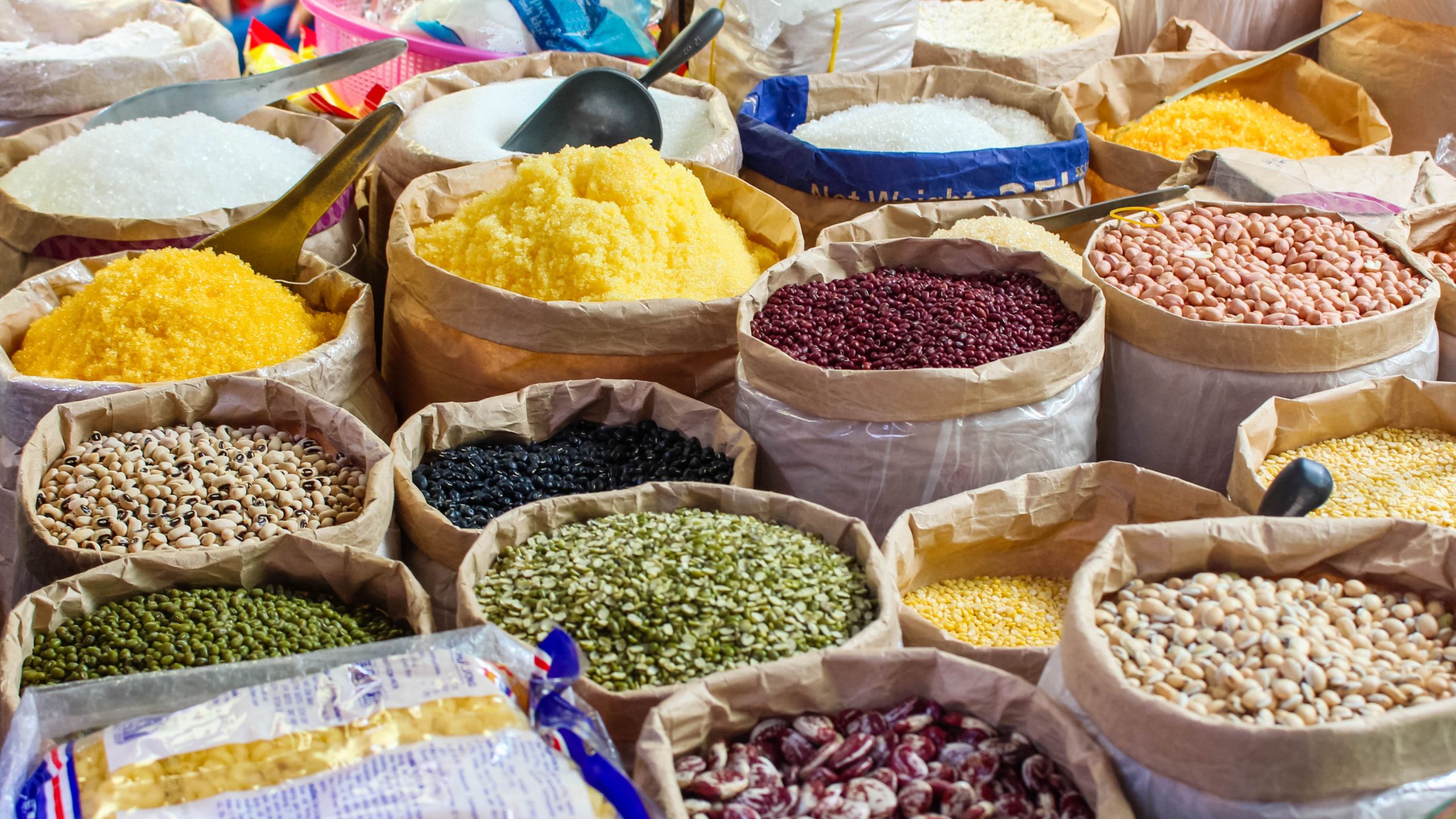
The India seed market is undergoing a structural shift as food security priorities, climate variability, and productivity pressures reshape the agricultural input ecosystem. As of 2026, India remains one of the world’s largest seed consumers, supported by a vast cultivable base and a strong farmer adoption curve for improved varieties. While farmer-saved seeds still account for a sizeable share in staples such as wheat and pulses, the penetration of branded hybrid and genetically improved seeds is rising across cotton, maize, vegetables, and oilseeds. Policy reforms around seed quality assurance, digital traceability pilots, and stronger IPR protection are improving market formalization. India is no longer just a volume-driven seed market but is steadily moving toward value-led growth with a focus on resilience, yield stability, and export-grade crop quality.
What’s Driving the Seed Market in India?
Hybridization and Yield-Focused Farming
The shift from farm-saved seeds to commercial hybrids is accelerating, particularly in cotton, maize, vegetables, and paddy hybrids. Farmers are increasingly adopting high-yielding and pest-tolerant varieties to protect margins amid rising input costs and volatile monsoons. Hybrid seeds offer superior yield potential and uniformity, making them attractive for contract farming and agri-export value chains. The growing role of organized food processors and exporters is reinforcing demand for consistent crop quality, indirectly boosting hybrid seed penetration.
Climate-Resilient and Stress-Tolerant Varieties
Erratic rainfall, heat stress, and soil degradation are pushing demand for drought-tolerant, early-maturing, and disease-resistant seed varieties. Seed companies are expanding R&D pipelines focused on climate-smart traits, including salinity tolerance in rice, heat-resilient wheat, and virus-resistant vegetables. Public–private collaborations with ICAR institutions and state agricultural universities are shortening the time-to-market for resilient varieties. These innovations are becoming critical for safeguarding farm incomes in rainfed regions that account for a large share of India’s cropped area.
Rising Adoption of Precision Agri-Inputs and Digital Advisory
The integration of digital advisory platforms, soil testing services, and input bundles is reshaping seed purchase behavior. Seed companies and agri-tech startups are offering bundled solutions combining certified seeds with micronutrients and crop protection recommendations. This shift toward outcome-based farming is improving seed replacement rates and driving preference for branded products with performance guarantees.
Government-Led Initiatives Supporting Seed Innovation
The Indian government continues to promote seed quality and domestic R&D through programs that strengthen breeder seed production, seed certification infrastructure, and digital traceability pilots across major crops. Incentives for private sector participation in varietal development, faster varietal release processes, and investments in seed villages are improving last-mile availability of certified seeds. These initiatives are expected to raise the overall Seed Replacement Rate (SRR) across cereals, oilseeds, and pulses by 2030, improving productivity and farmer income stability.
Market Competition and Industry Landscape
The India seed market is moderately consolidated, with a mix of multinational corporations and strong domestic players. Key participants include Bayer CropScience, Syngenta India, Corteva Agriscience, Mahyco, UPL, and Kaveri Seed Company. Domestic firms are gaining ground in hybrids for cotton, maize, and vegetables, while multinationals lead in advanced trait development and global germplasm access. Strategic partnerships, licensing of traits, and regional distribution tie-ups are intensifying competition, especially in high-margin vegetable and specialty crop seeds.
High Import Dependence for Parent Lines and Advanced Traits
Despite strong domestic production of commercial seeds, India remains dependent on imported parent lines and advanced breeding material for several high-value hybrids and specialty vegetables. This reliance exposes seed companies to currency volatility, phytosanitary delays, and geopolitical risks. Additionally, regulatory uncertainty around newer breeding technologies slows commercialization timelines, limiting rapid access to global trait innovations for Indian farmers.
Future Outlook
The India seed market is expected to transition toward higher value realization through 2035, driven by hybrid penetration, climate-resilient varieties, and deeper integration with digital agriculture platforms. By 2035, hybrid seeds are expected to dominate maize, cotton, vegetables, and selected paddy segments, while SRR in pulses and oilseeds is projected to improve materially through policy support and private R&D. Export opportunities for vegetable and specialty crop seeds to South Asia, Africa, and Southeast Asia are likely to expand as Indian companies scale quality systems and global certifications.
Consultants at Nexdigm, in their latest publication “India Seed Market Outlook to 2035”, analyzed the market by Crop Type (Cereals, Oilseeds, Pulses, Fruits & Vegetables, Cotton), By Trait (Hybrids, Open-Pollinated Varieties, Climate-Resilient Traits, Pest-Resistant Traits), and By Distribution Channel (Direct to Farmer, Dealers & Distributors, Cooperatives, Digital Platforms). Nexdigm believes that businesses should prioritize hybrid portfolio expansion, localized climate-resilient R&D, and digital farmer engagement models, while strengthening parent-line security and domestic breeding programs to reduce strategic import dependence.
To take the next step, simply visit our Request a Consultation page and share your requirements with us.
Harsh Mittal
+91-8422857704