
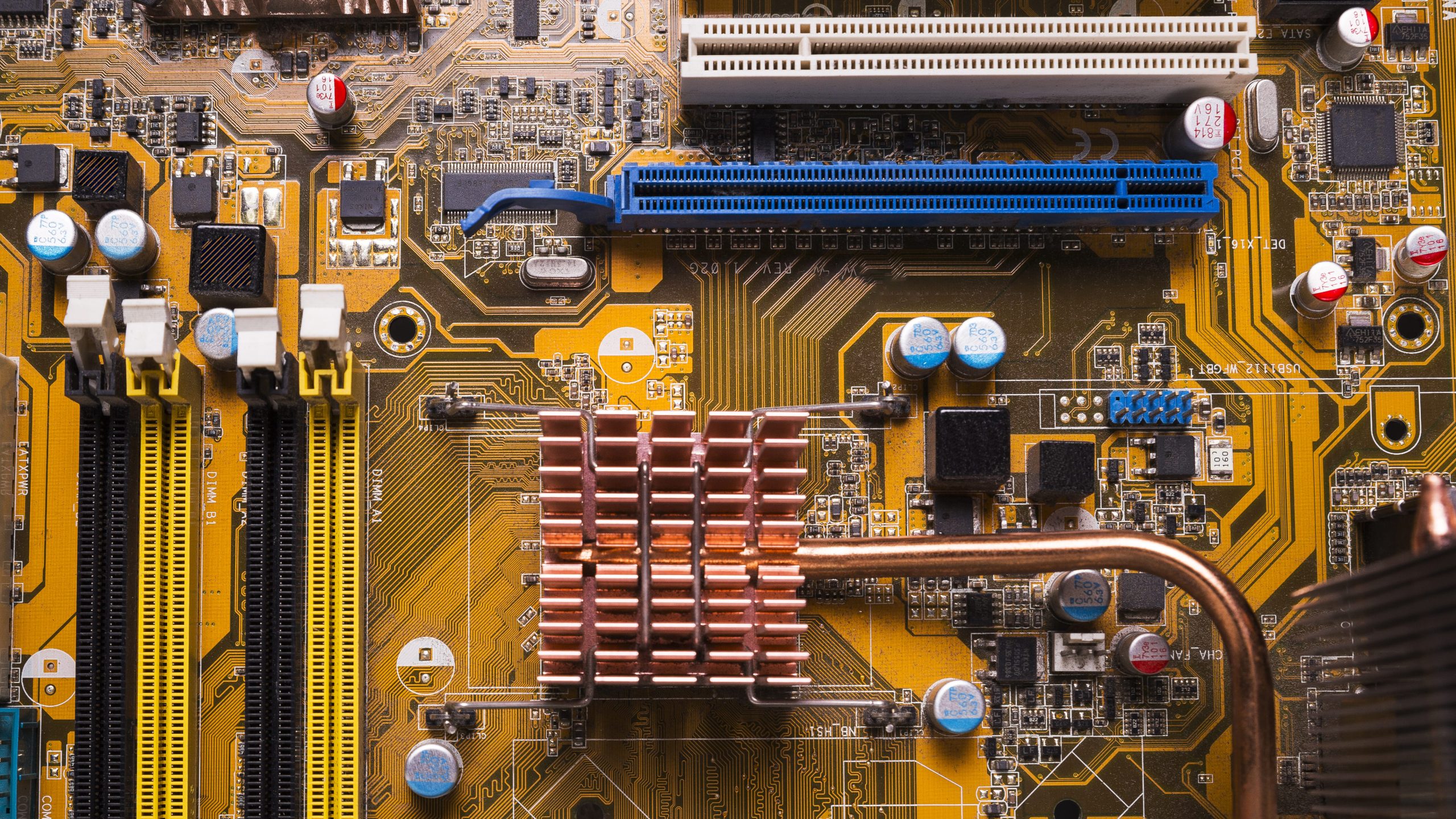
India’s semiconductor infrastructure market is entering a decisive growth phase as the country accelerates efforts to build a resilient domestic chip manufacturing ecosystem. As of 2026, India accounts for a negligible share of global semiconductor fabrication capacity, despite being one of the largest consumers of electronics and semiconductor chips globally. Over 85% of semiconductor demand in India continues to be met through imports, primarily from Taiwan, China, South Korea, and the United States. However, with rising geopolitical realignments, supply chain diversification, and strong policy backing, India is positioning itself as an emerging semiconductor manufacturing hub. The coming decade will test the readiness of its infrastructure, talent pool, supply chain depth, and capital investment capacity.
What’s Driving the Semiconductor Infrastructure Market in India?
Surging Domestic Electronics Demand
India’s electronics market is expanding rapidly, driven by smartphone manufacturing, consumer electronics, automotive electronics, data centers, and industrial automation. With initiatives like “Make in India” and production-linked incentives for electronics manufacturing, demand for locally fabricated chips is rising. The growth of electric vehicles, 5G infrastructure, AI-enabled devices, and IoT applications is further intensifying semiconductor requirements. This surge in downstream industries is creating strong momentum for upstream semiconductor infrastructure development, including fabs, ATMP (Assembly, Testing, Marking, and Packaging) facilities, and specialty chemical units.
Fab Announcements and Capital Investments
India has moved from policy intent to execution with major fabrication and packaging projects under development. Notably, the Tata Group, through Tata Electronics, is establishing a semiconductor fabrication facility in Dholera, Gujarat, with multi-billion-dollar investment commitments. Additionally, Micron Technology has begun developing an ATMP facility in Sanand, Gujarat, marking one of the first large-scale global semiconductor investments in India. These projects are catalyzing the development of ancillary infrastructure including ultra-pure water systems, specialty gases, cleanrooms, and high-reliability power supply networks.
Strategic Supply Chain Diversification
Global semiconductor players are seeking to reduce overdependence on concentrated manufacturing hubs in East Asia. India’s geopolitical positioning, large domestic market, and improving ease of doing business are making it an attractive alternative destination. Partnerships between Indian firms and global technology leaders are expected to accelerate technology transfer, skill development, and ecosystem creation through 2035.
Government-Led Initiatives Strengthening Infrastructure
The Government of India launched the Semiconductor Mission with a financial outlay of USD 10 billion to support fabs, display manufacturing, compound semiconductors, and packaging facilities. Fiscal incentives covering up to 50% of project costs, capital subsidies, and design-linked incentives are being deployed to attract global and domestic players. State governments including Gujarat, Tamil Nadu, and Karnataka are offering additional land, power, and infrastructure incentives to semiconductor investors. Dedicated semiconductor parks with plug-and-play infrastructure are being planned to reduce project execution timelines. These measures aim to reduce India’s semiconductor import dependency and establish long-term manufacturing competitiveness.
Market Competition and Ecosystem Development
India’s semiconductor infrastructure market is currently in an early-stage but high-investment phase. Domestic conglomerates, global chipmakers, specialty chemical providers, and engineering procurement companies are entering the space. Alongside Tata Electronics and Micron Technology, several international equipment manufacturers are exploring partnerships and joint ventures in India. The ecosystem is gradually expanding to include fabless design startups, OSAT service providers, raw material suppliers, and semiconductor equipment maintenance firms. Over time, the competitive landscape is expected to deepen as more global foundries and component manufacturers evaluate India as a manufacturing base.
Capital Intensity and Skill Gaps
Despite strong policy momentum, the semiconductor infrastructure market faces structural challenges. Semiconductor fabs require capital investments exceeding USD 5–10 billion per facility, along with uninterrupted power supply, advanced water purification systems, and high-end cleanroom environments. India also faces a shortage of experienced semiconductor fabrication engineers and process specialists. While India has a strong chip design talent base, manufacturing-grade expertise remains limited. Bridging this skill gap through global collaborations and specialized training programs will be critical to ensuring operational efficiency and yield optimization.
Future Outlook
India’s semiconductor infrastructure market is expected to witness accelerated development through 2035, driven by policy continuity, global supply chain diversification, and rising domestic electronics consumption. By 2030, India aims to operationalize multiple fabs and ATMP units, significantly increasing its domestic value addition in electronics manufacturing. By 2035, India is projected to evolve from a design-led semiconductor economy to an integrated manufacturing ecosystem with capabilities spanning fabrication, advanced packaging, compound semiconductors, and chip design. Export-oriented semiconductor production is likely to emerge as a strategic growth lever, particularly for automotive, power electronics, and specialty chips.
Consultants at Nexdigm, in their latest publication “India Semiconductor Infrastructure Market Outlook to 2035,” analyzed the market by Infrastructure Type (Fabrication Facilities, ATMP/OSAT Units, Semiconductor Parks, Specialty Chemical and Gas Units), By End-Use Industry (Consumer Electronics, Automotive, Industrial, Telecommunications, Data Centers), and By Region (Gujarat, Tamil Nadu, Karnataka, Others). Nexdigm believes that businesses should prioritize ecosystem partnerships, long-term capital planning, workforce upskilling, and localization of critical raw materials to successfully participate in India’s semiconductor infrastructure expansion journey through 2035.
To take the next step, simply visit our Request a Consultation page and share your requirements with us.
Harsh Mittal
+91-8422857704