
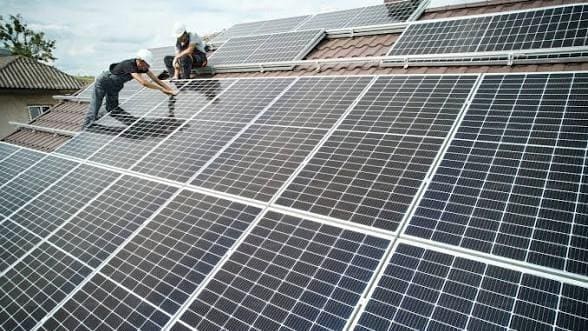
India’s solar energy journey is no longer limited to installing solar parks. The country is rapidly building a complete solar manufacturing ecosystem, creating strong demand for critical materials such as solar cell metallization paste. This specialized conductive paste helps form electrical contacts on solar cells, directly influencing efficiency and performance. As India pushes toward greater energy independence and domestic manufacturing, investments across the solar value chain continue to increase. With solar power capacity surpassing 100 GW and local manufacturing expanding under government-backed initiatives, the metallization paste market is emerging as a vital component of India’s renewable energy landscape.
Market Drivers Advancing the India Solar Cell Metallization Paste Industry
Expanding Domestic Solar Cell Manufacturing Capacity
One of the biggest growth drivers for India’s solar cell metallization paste industry is the rapid expansion of domestic solar manufacturing facilities. Major manufacturers are investing in integrated production units covering wafers, cells, and modules. As solar cell production grows, the demand for high-performance silver and aluminum metallization pastes rises accordingly. India’s installed solar power capacity has crossed 100 GW, highlighting the scale of future demand for solar components. Increasing domestic manufacturing helps reduce dependence on imported materials while strengthening supply chain resilience. Manufacturers are also focusing on advanced technologies such as TOPCon and HJT solar cells, which require specialized metallization formulations to maximize efficiency.
Rising Investments in Renewable Energy Infrastructure
India remains one of the world’s fastest-growing renewable energy markets. Public and private sector investments in utility-scale solar projects, rooftop installations, and industrial solar applications continue to create demand across the solar value chain. Large-scale solar parks, green energy corridors, and corporate sustainability initiatives are encouraging increased deployment of photovoltaic modules. Since metallization paste is an essential input in solar cell production, rising module manufacturing volumes naturally translate into stronger market demand. Growing investor confidence in India’s renewable sector further supports long-term market expansion.
Technological Advancements Improving Cell Efficiency
Solar manufacturers are increasingly focused on improving power output while reducing production costs. Advanced metallization pastes enable finer conductive lines, lower resistive losses, and higher cell conversion efficiency. Research efforts are leading to reduced silver consumption, improved conductivity, and compatibility with next-generation solar cell architectures. As competition intensifies among manufacturers, demand is shifting toward premium-grade metallization products that enhance performance and support higher production yields.
Government Initiatives Supporting the India’s Solar Cell Metallization Paste Industry
Government policies continue to play a crucial role in developing India’s solar manufacturing ecosystem. Initiatives such as the Production Linked Incentive (PLI) Scheme for high-efficiency solar PV modules and the Approved List of Models and Manufacturers (ALMM) encourage domestic production. Additionally, support for renewable energy expansion and localization of critical supply chains is creating favorable conditions for manufacturers involved in solar cell materials, including metallization paste suppliers.
Competitive Landscape of India Solar Cell Metallization Paste Sector
The market features a mix of global specialty material providers and emerging domestic manufacturers. International companies bring advanced formulations and technological expertise, while Indian firms focus on localization, cost competitiveness, and strategic partnerships with solar cell producers. Market participants are increasingly investing in research and development to create efficient, low-silver, and next-generation paste solutions aligned with evolving solar cell technologies.
Challenges Facing India Solar Cell Metallization Paste Industry
Dependence on Precious Metal Raw Materials
Silver remains a critical ingredient in many metallization paste formulations. Price fluctuations in global silver markets can significantly impact production costs and profit margins. Manufacturers must continually explore alternatives and silver-reduction technologies to remain competitive.
Technology and Quality Standard Requirements
As Indian solar manufacturers adopt advanced cell technologies, metallization paste suppliers face increasing pressure to meet stringent quality and performance standards. Continuous innovation, testing, and technical collaboration are necessary to align products with rapidly evolving manufacturing processes.
Future Outlook
The future of India’s solar cell metallization paste market appears highly promising as the nation deepens its commitment to renewable energy and local manufacturing. Growing investments in solar cell facilities, rising adoption of high-efficiency technologies, and supportive government policies are expected to create sustained demand for advanced paste solutions. As manufacturers work toward reducing silver consumption and improving cell performance, innovation will become a key competitive differentiator. The market is likely to benefit from India’s broader vision of becoming a global hub for solar manufacturing while strengthening energy security and sustainability goals.
Consultants at Nexdigm, in their latest publication “India Solar Cell Metallization Paste Market” analyze the sector By Dielectric and Edge Isolation Inks (Dielectric Capping Inks, Edge Isolation Pastes and Passivation Layer Inks), By Application Technology (P-Type PERC Solar Modules and Bifacial Solar Module Assemblies) and By Distribution Channel (Direct OEM Procurement and Authorized Material Distributors).
Nexdigm suggests that businesses in “India Solar Cell Metallization Paste Industry” focusses on oilfield, desalination, construction, and industrial applications, strengthen local warehousing, develop application-specific grades, improve technical support, and build resilient sourcing networks to serve expanding energy, water, and manufacturing demand.
To take the next step, simply visit our Request a Consultation page and share your requirements with us.
Harsh Mittal
+91-8422857704