
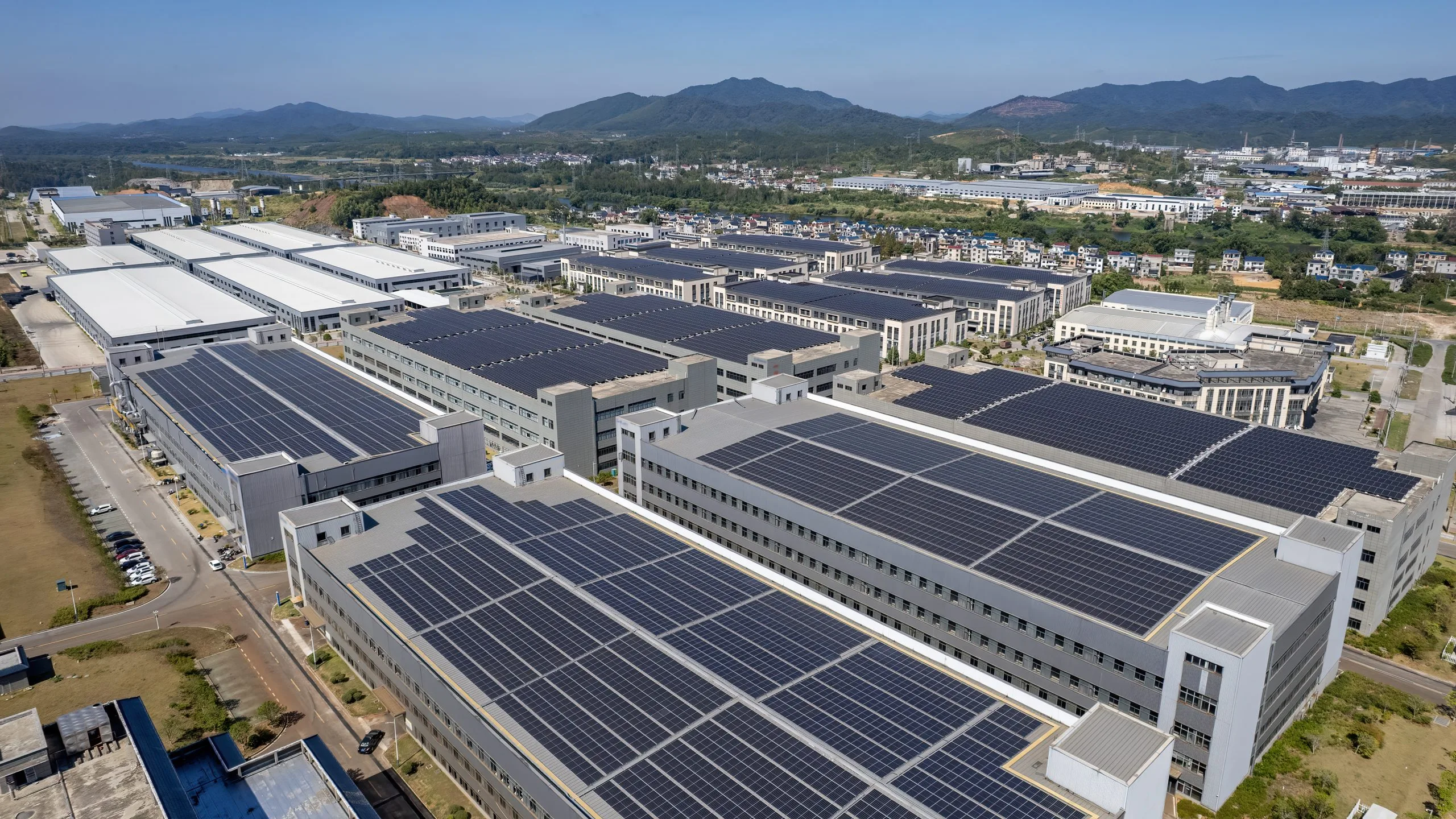
India’s solar EPC (Engineering, Procurement, and Construction) market is witnessing a remarkable transformation. With ambitious renewable energy goals and the push towards a cleaner, greener future, the country is ramping up its solar capacity. India aims to achieve 500 GW of non-fossil fuel capacity by 2030, and solar will play a central role in this mission. The EPC sector, responsible for designing, procuring, and constructing solar power projects, is essential in turning these goals into reality, supporting both large-scale utility and rooftop installations across the nation.
Factors Fueling the Growth of India’s Solar EPC Market
Ambitious Renewable Energy Targets
India’s renewable energy targets are bold and driving rapid growth in the solar EPC market. The government plans to achieve 500 GW of renewable energy capacity by 2030, with a significant share coming from solar power. This creates a growing demand for EPC services, especially in utility-scale solar farms and rooftop solar systems. As the cost of solar energy continues to decline, the economics are increasingly favorable for developers, boosting the need for efficient EPC contractors to manage large, complex projects.
Technological Advancements and Cost Reductions
Technological innovations are making solar power more affordable and efficient. Improvements in photovoltaic (PV) panels, inverters, and energy storage systems are cutting project costs and improving performance. As solar power becomes cheaper and more accessible, EPC contractors are able to deliver projects at lower prices, making solar energy more attractive to developers. Additionally, new technologies such as bifacial solar panels and tracking systems are becoming more popular, offering higher efficiency and creating fresh opportunities for EPC companies to lead with cutting-edge solutions.
Government Policies and Initiatives Boosting Solar EPC Growth
The Indian government has introduced several initiatives to encourage solar growth, including the establishment of solar parks, viability gap funding (VGF), and incentives for domestic manufacturing. Policies like the Production Linked Incentive (PLI) scheme aim to boost local solar manufacturing and reduce dependency on imports, which in turn helps EPC companies secure more stable supply chains and cost-effective solutions for solar project execution.
Key Players and Competition in the Solar EPC Market
India’s solar EPC market is highly competitive, with large engineering firms, renewable energy specialists, and new players all vying for market share. Major domestic and international companies are leveraging strategic alliances to expand their capabilities and access more projects. The competition focuses on project execution timelines, quality standards, and pricing, as developers look for reliable, cost-effective solutions to meet India’s ambitious solar targets.
Key Challenges Facing the Growth of India’s Solar EPC Market
Land Acquisition and Infrastructure Bottlenecks
Despite the growing demand for solar projects, land acquisition remains a significant challenge. Delays in obtaining land and the necessary regulatory approvals often push back project timelines. Additionally, the lack of robust transmission infrastructure in certain regions of India can lead to bottlenecks, affecting the smooth delivery of solar energy to the grid.
Financing and Supply Chain Risks
Access to affordable financing is still a hurdle for smaller EPC contractors, who often struggle to secure long-term capital. Moreover, the dependence on imported components exposes the sector to currency fluctuations and potential supply chain disruptions, making project costs less predictable.
Future Outlook
Looking ahead to 2035, the Indian solar EPC market is poised for continued growth. As solar energy becomes an even more integral part of India’s energy mix, EPC contractors will be at the forefront of developing innovative, integrated solutions. Energy storage, hybrid systems, and digital tools for performance optimization will drive further evolution. The market will likely see consolidation as larger players absorb smaller ones, attracting more international investment and expertise. India’s solar market will continue to be a major player in the global renewable energy landscape.
Consultants at Nexdigm, in their latest publication “India Solar EPC Market Outlook to 2035,” analyze the sector by System Type (Utility-Scale Solar Projects, Commercial & Industrial Solar Projects, Residential Solar Systems, Rooftop Solar Systems), By Platform Type (Ground-Mounted Systems, Rooftop Systems, Floating Solar Systems), and By Fitment Type (On-Grid Systems, Off-Grid Systems, Hybrid Systems). Nexdigm suggests that businesses should align their strategies with the evolving trends in the solar energy sector. By staying informed about government policies, technological advancements, and the growing demand for renewable energy, businesses can position themselves to capitalize on opportunities within the solar EPC market. This approach will help them navigate challenges and stay competitive in a rapidly changing landscape.
To take the next step, simply visit our Request a Consultation page and share your requirements with us.
Harsh Mittal
+91-8422857704