
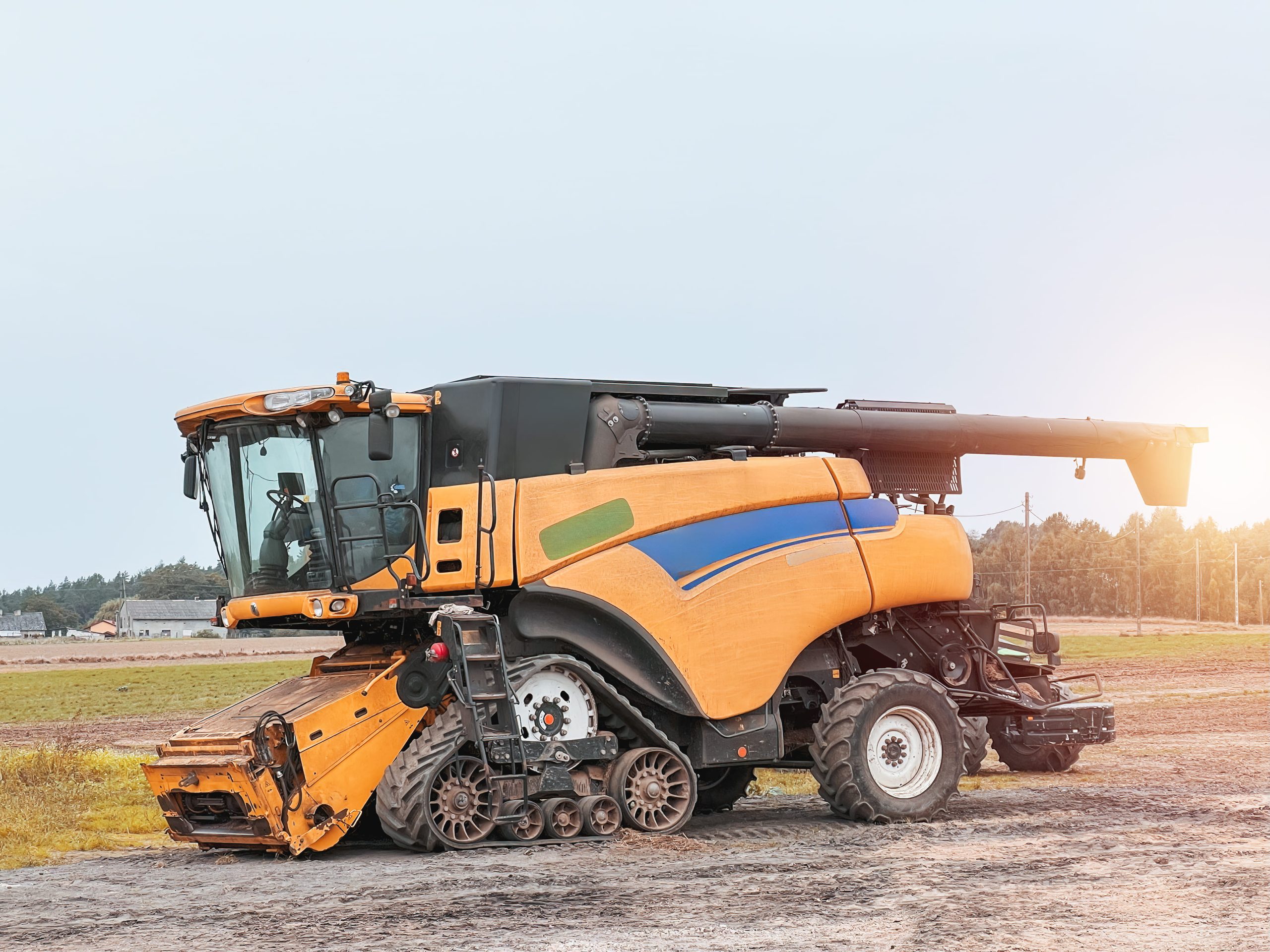
The India agricultural machinery market is experiencing a steady transformation as farm mechanization deepens across major grain-producing states. Combine harvesters play a critical role in improving harvesting efficiency for crops such as wheat, paddy, maize, and pulses. However, high upfront costs, seasonal utilization, and fragmented landholdings continue to limit new equipment adoption among small and marginal farmers. As of 2026, a large share of combine harvesters operating in India are imported or assembled locally by global OEMs, with many units entering the secondary market after 5–8 years of usage by large farmers, custom hiring centers, and agri-contractors. The used combine harvester segment is therefore gaining traction due to price sensitivity, increasing equipment turnover, and the expansion of mechanized harvesting services across North and Central India.
What’s Driving the Used Combine Harvester Market in India?
Rising Farm Mechanization and Labor Shortages
India continues to face acute farm labor shortages during peak harvesting seasons, driven by rural-to-urban migration and rising wage costs. Mechanized harvesting is becoming essential in states such as Punjab, Haryana, Uttar Pradesh, Madhya Pradesh, Telangana, and Andhra Pradesh, where time-bound harvesting directly impacts crop yields and profitability. Small and mid-sized farmers often find new combine harvesters financially unviable, pushing them toward used machines or shared access models. Used harvesters provide a cost-effective entry point into mechanization, particularly for farmer producer organizations (FPOs) and village-level entrepreneurs offering custom hiring services.
Growth of Custom Hiring Centers and Agri-Contracting
The expansion of custom hiring centers (CHCs) and private agri-contractors is reshaping equipment ownership patterns. These operators prefer used combine harvesters to optimize capital expenditure while achieving faster payback periods. Demand is particularly strong for mid-capacity and track-type combines suited for paddy harvesting in waterlogged fields. As mechanization spreads to eastern India, refurbished harvesters are increasingly redeployed from North India to Bihar, West Bengal, Odisha, and Assam, creating a healthy inter-state resale ecosystem.
Import Reliance and Equipment Turnover
India continues to rely heavily on imported or semi-knocked-down combine harvesters from global OEMs such as Kubota, John Deere, CLAAS, Preet Agro, and New Holland. New combines remain capital-intensive for most farmers, leading large operators and CHCs to upgrade fleets every few years to improve fuel efficiency and throughput. This replacement cycle feeds consistent supply into the secondary market. The availability of spare parts and local service networks has improved in recent years, making ownership of used equipment more viable for price-sensitive buyers.
Government-Led Initiatives Supporting Mechanization
Government programs promoting farm mechanization and shared equipment access are indirectly supporting the used combine harvester market. Subsidies for farm machinery purchases, support for CHCs, and state-level mechanization schemes are expanding the user base for harvesters. While subsidies primarily target new equipment, they also accelerate fleet renewal among organized players, increasing the availability of mid-life combines in the resale market. Additionally, initiatives promoting residue management and timely harvesting are encouraging adoption of efficient harvesting equipment, strengthening overall demand for combine harvesters.
Market Competition and Distribution Landscape
The India used combine harvester market remains fragmented, with a mix of OEM-authorized dealers, independent traders, village brokers, and emerging digital marketplaces. Organized players are gradually introducing inspection, refurbishment, and limited warranty offerings to build buyer confidence. Informal resale channels still dominate in rural markets, where pricing flexibility and local relationships play a critical role. Over time, certified pre-owned programs and financing support are expected to formalize the secondary market and improve transparency in equipment quality and pricing.
High Maintenance and Limited Financing Access
Used combine harvesters require reliable access to spare parts and skilled technicians, particularly during peak harvesting windows. Breakdowns can lead to significant revenue losses for contractors. Financing options for used equipment remain limited, and many buyers rely on informal credit, increasing risk. Variability in machine condition and lack of standardized refurbishment practices also create trust issues for first-time buyers.
Future Outlook
The India used combine harvester market is expected to witness steady growth through 2035, supported by expanding mechanization, labor constraints, and the scaling up of custom hiring services. By 2035, the market is likely to become more structured, with greater penetration of certified pre-owned programs, equipment financing, and digital marketplaces connecting buyers and sellers across states. Demand will increasingly shift toward fuel-efficient, mid-capacity combines suited for diverse cropping patterns, while inter-regional equipment flows will strengthen supply availability. India is set to emerge as one of the most active secondary markets for combine harvesters in Asia, supported by its large installed base and rapid mechanization trajectory.
Consultants at Nexdigm, in their latest publication “India Used Combine Harvester Market Outlook to 2035”, analyzed the market by Horsepower (Below 70 HP, 70–120 HP, Above 120 HP), By Crop Type (Wheat, Paddy, Maize, Pulses), By End User (Individual Farmers, Custom Hiring Centers, Agri-Contractors), and By Sales Channel (Authorized Dealers, Independent Traders, Online Platforms, Auctions). Nexdigm believes that businesses should prioritize certified refurbishment, reliable spare parts networks, flexible financing for used equipment, and inter-state redistribution of combines to high-growth eastern and central markets as key growth levers in India’s secondary combine harvester ecosystem.
To take the next step, simply visit our Request a Consultation page and share your requirements with us.
Harsh Mittal
+91-8422857704