
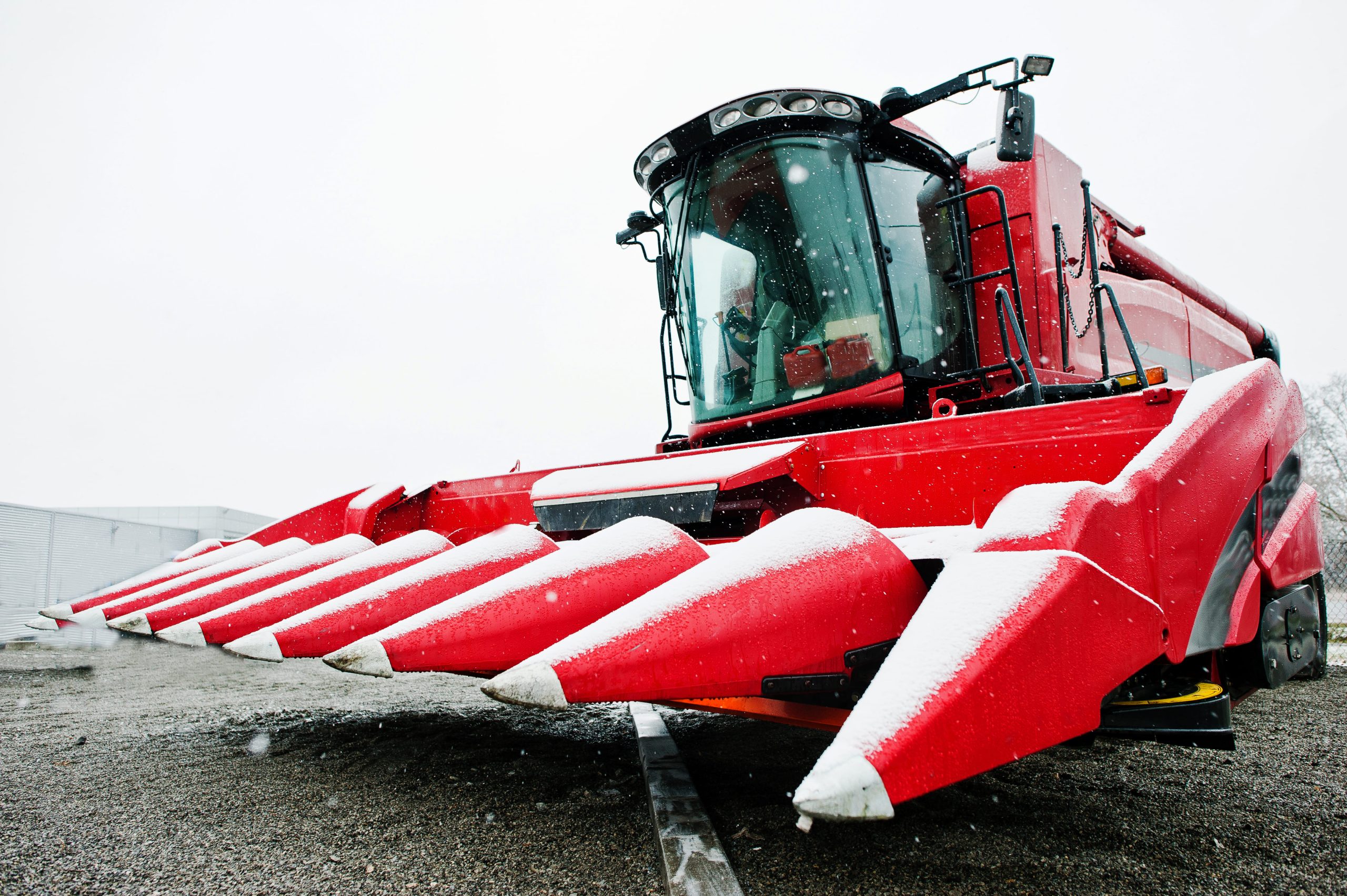
The India agricultural machinery market is witnessing a structural shift as farm mechanization deepens amid labor shortages, rising input costs, and the need to improve productivity. Harvesters—particularly combine harvesters—are increasingly central to improving harvesting efficiency across rice, wheat, and maize belts. As of 2026, a large share of harvesters in India are imported or assembled by global OEMs and local manufacturers, with significant penetration in Punjab, Haryana, western Uttar Pradesh, Madhya Pradesh, and parts of Telangana. However, high upfront costs continue to limit new equipment adoption among small and marginal farmers, who constitute over 85% of landholdings. This cost barrier is accelerating the growth of the used harvester segment, supported by equipment turnover from large farms, custom hiring centres (CHCs), and agri-contractors. The secondary market is gaining traction as price sensitivity rises and mechanization expands into eastern and central India.
What’s Driving the Used Harvester Market in India?
Mechanization Push and Custom Hiring Centres (CHCs)
The expansion of farm mechanization through CHCs is a major demand driver for used harvesters. State governments and agri-departments promote CHCs to enable smallholders to access machinery on a rental basis. CHC operators often prefer pre-owned harvesters to manage capital expenditure while maintaining fleet size. This model is particularly effective in high-cropping-intensity states where seasonal demand for harvesting services is strong, improving utilization rates for used equipment.
Rising Labor Shortages and Timely Harvest Needs
Rural labor availability continues to tighten due to urban migration and alternative employment schemes. Timely harvesting is critical to avoid crop losses and enable faster turnaround for subsequent sowing cycles. Used harvesters offer a practical pathway for farmer groups and contractors to expand capacity quickly without bearing the high cost of new machines. This is especially relevant for paddy-wheat rotations in North India and expanding maize cultivation in central regions.
Equipment Turnover and Import Reliance
India continues to rely on imported components and fully built units for high-capacity combine harvesters, while domestic OEMs focus on small and mid-capacity models. Large agri-contractors and progressive farmers upgrade fleets every 4–7 years to improve fuel efficiency and uptime. This replacement cycle feeds inventory into the secondary market, improving availability of mid-life harvesters that remain serviceable for another 5–8 seasons with refurbishment.
Government-Led Initiatives Supporting Mechanization
The Indian government’s farm mechanization programs, including capital subsidies for machinery and support for CHCs and Farmer Producer Organizations (FPOs), are indirectly supporting the used harvester market. State-level schemes that provide partial financing and interest subvention are lowering barriers for rural entrepreneurs to acquire pre-owned harvesters. Additionally, stubble management regulations in northern states are encouraging the adoption of combine harvesters with straw management attachments, pushing fleet upgrades and releasing older units into the resale market.
Market Competition and Distribution Landscape
The India used harvester market remains fragmented, dominated by local dealers, refurbishers, and informal traders. Organized dealerships linked to OEMs and large distributors are gradually introducing certified pre-owned programs with basic warranties and service packages. Digital equipment marketplaces and agri-tech platforms are improving price discovery and expanding reach to tier-2 and tier-3 districts. Over time, formal refurbishment standards and financing tie-ups are expected to professionalize the market.
High Maintenance and After-Sales Constraints
Used harvesters face variability in condition, limited service documentation, and uneven access to spare parts in remote regions. Downtime during peak harvest windows can materially impact contractor profitability. Financing options for pre-owned equipment also remain limited, constraining adoption among first-time buyers. Seasonal demand volatility further exposes owners to utilization risks.
Future Outlook
The India used harvester market is expected to see steady growth through 2035, driven by deeper mechanization in eastern India, continued labor scarcity, and the expansion of CHCs and FPO-led service models. By 2035, the secondary market is likely to become more structured, with wider adoption of certified refurbishment, telematics-enabled condition tracking, and equipment financing for pre-owned assets. As domestic manufacturing of mid-capacity harvesters improves and OEMs push fleet upgrades with cleaner engines and straw management compliance, the supply of quality used harvesters will expand. India is also poised to emerge as a regional sourcing hub for refurbished harvesters for South Asia and parts of Africa.
Consultants at Nexdigm, in their latest publication “India Used Harvester Market Outlook to 2035”, analyzed the market by Harvester Type (Combine Harvesters, Paddy Harvesters, Mini Harvesters), By Power Output (Below 70 HP, 70–120 HP, Above 120 HP), By Application (Wheat, Rice, Maize and Others), and By Sales Channel (Authorized Dealers, Independent Refurbishers, Online Marketplaces, Auctions). Nexdigm believes that businesses should prioritize certified refurbishment programs, reliable after-sales networks, operator training, and digital marketplaces, while leveraging CHC partnerships and cross-border re-export opportunities as key growth levers in India’s secondary harvester market.
To take the next step, simply visit our Request a Consultation page and share your requirements with us.
Harsh Mittal
+91-8422857704