
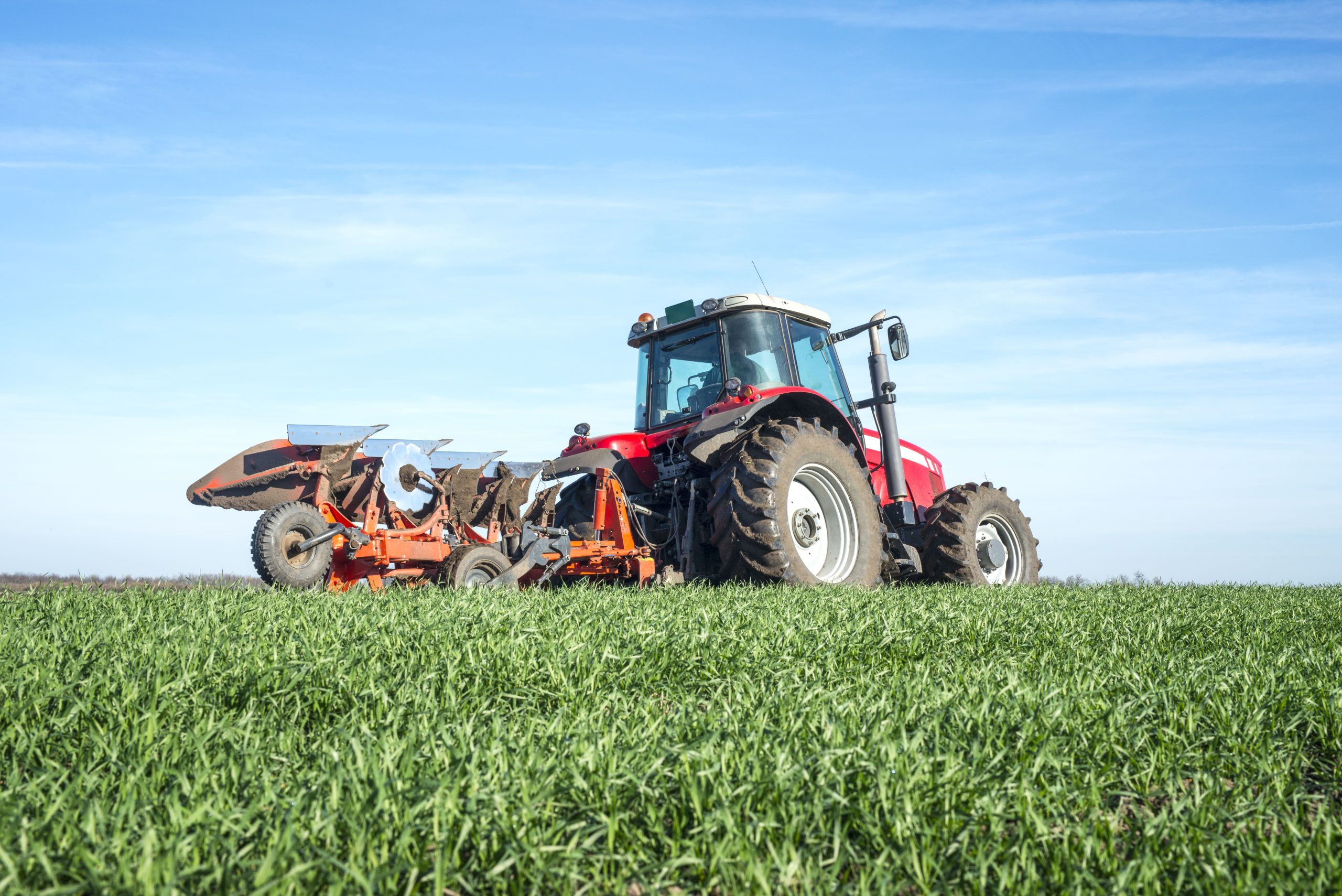
The India used tractor market is witnessing steady growth as farm mechanization deepens and replacement cycles accelerate across rural and semi-urban regions. India is the world’s largest tractor market by volume, with a vast installed base of over 9 million tractors as of 2025. A significant portion of this fleet consists of tractors that are 6–12 years old, creating a continuous supply of pre-owned equipment entering the secondary market. As of 2026, more than 25% of tractor transactions in India are estimated to involve used units, driven by affordability, rising input costs for farmers, and increasing awareness of certified refurbished equipment. The used tractor segment is also supported by the growth of custom hiring centers (CHCs), smallholder mechanization programs, and digital marketplaces connecting buyers and sellers across states.
What’s Driving the Used Tractor Market in India?
Affordable Mechanization for Small and Marginal Farmers
Over 85% of India’s farmers operate small and marginal landholdings, making the high upfront cost of new tractors a key adoption barrier. Used tractors, typically priced 30–50% lower than new models, provide a viable entry point into mechanization for first-time buyers. Farmers increasingly use pre-owned tractors for ploughing, sowing, haulage, and post-harvest logistics. The affordability of used equipment is enabling mechanization beyond traditional Green Revolution states, with rising traction in eastern India and parts of central India.
Expansion of Custom Hiring Centers (CHCs)
Government-backed custom hiring centers and private farm service providers are expanding rapidly to bridge mechanization gaps in underserved regions. These centers often procure used tractors to optimize capital expenditure while maintaining service coverage for multiple villages. Tractors in the 35–50 HP range remain particularly popular in the secondary market due to their versatility for tillage, transportation, and operating basic implements. The CHC model is therefore creating stable, recurring demand for mid-life tractors.
Digital Marketplaces and Organized Resale Channels
The emergence of agri-tech platforms and OEM-backed resale programs is formalizing the used tractor ecosystem. Online marketplaces are improving price transparency, enabling inter-state transactions, and offering inspection and refurbishment services. OEM dealers are increasingly launching certified pre-owned programs, providing limited warranties and financing options for used equipment. This shift is improving buyer confidence and reducing the risks traditionally associated with second-hand purchases.
Government-Led Initiatives Supporting Mechanization
The Indian government continues to promote farm mechanization through subsidies under the Sub-Mission on Agricultural Mechanization (SMAM) and state-level farm equipment schemes. Financial support for custom hiring centers, rural entrepreneurs, and farmer producer organizations (FPOs) is indirectly stimulating demand for used tractors. Additionally, priority sector lending norms and tie-ups between banks, NBFCs, and OEM dealerships are improving access to credit for pre-owned machinery. These initiatives are helping normalize used tractors as a mainstream mechanization pathway rather than a last-resort option.
Market Competition and Distribution Landscape
The India used tractor market remains fragmented, with a mix of OEM-authorized dealers, independent brokers, rural aggregators, and digital platforms. Major tractor manufacturers such as Mahindra & Mahindra, TAFE, Escorts Kubota, and Sonalika influence the secondary market through high volumes of trade-ins and fleet upgrades. Organized players are gradually expanding refurbishment hubs, buy-back programs, and valuation tools. However, a large share of transactions still occurs through informal channels, especially in interior districts, where pricing and quality standards vary widely.
Quality Variability and Limited Standardization
One of the biggest challenges in the Indian used tractor market is inconsistent quality and lack of standardized refurbishment. Buyers often face uncertainty regarding engine condition, spare parts availability, and remaining life of the equipment. Limited access to certified service centers in remote regions further constrains trust. Additionally, financing for older tractors remains restricted, as lenders prefer newer models with predictable resale value.
Future Outlook
The India used tractor market is expected to grow steadily through 2035, supported by replacement cycles, rising mechanization in eastern and northeastern states, and the expansion of organized resale channels. By 2035, certified pre-owned tractors are expected to account for a significantly larger share of used transactions, driven by OEM programs and digital platforms offering inspection, warranty, and financing bundles. Demand is likely to remain concentrated in the 30–50 HP segment, while compact tractors will gain traction in horticulture, orchard farming, and peri-urban agriculture.
Consultants at Nexdigm, in their latest publication “India Used Tractor Market Outlook to 2035”, analyzed the market by Horsepower (Below 30 HP, 30–50 HP, Above 50 HP), By Application (Agriculture, Custom Hiring Services, Logistics & Haulage, Municipal & Landscaping), and By Sales Channel (OEM Authorized Dealers, Independent Traders, Online Platforms, Auctions). Nexdigm believes that businesses should prioritize certified refurbishment, transparent pricing mechanisms, and financing partnerships for used equipment, while building last-mile service networks to capture growth in India’s expanding secondary tractor market.
To take the next step, simply visit our Request a Consultation page and share your requirements with us.
Harsh Mittal
+91-8422857704